Rumen Radev Leads Exit Polls as Bulgaria Faces Eighth Election in Five Years
Bulgaria election exit polls show Rumen Radev leading as coalition talks loom, with cost-of-living and foreign policy dividing parties.
Lauren Collins ·
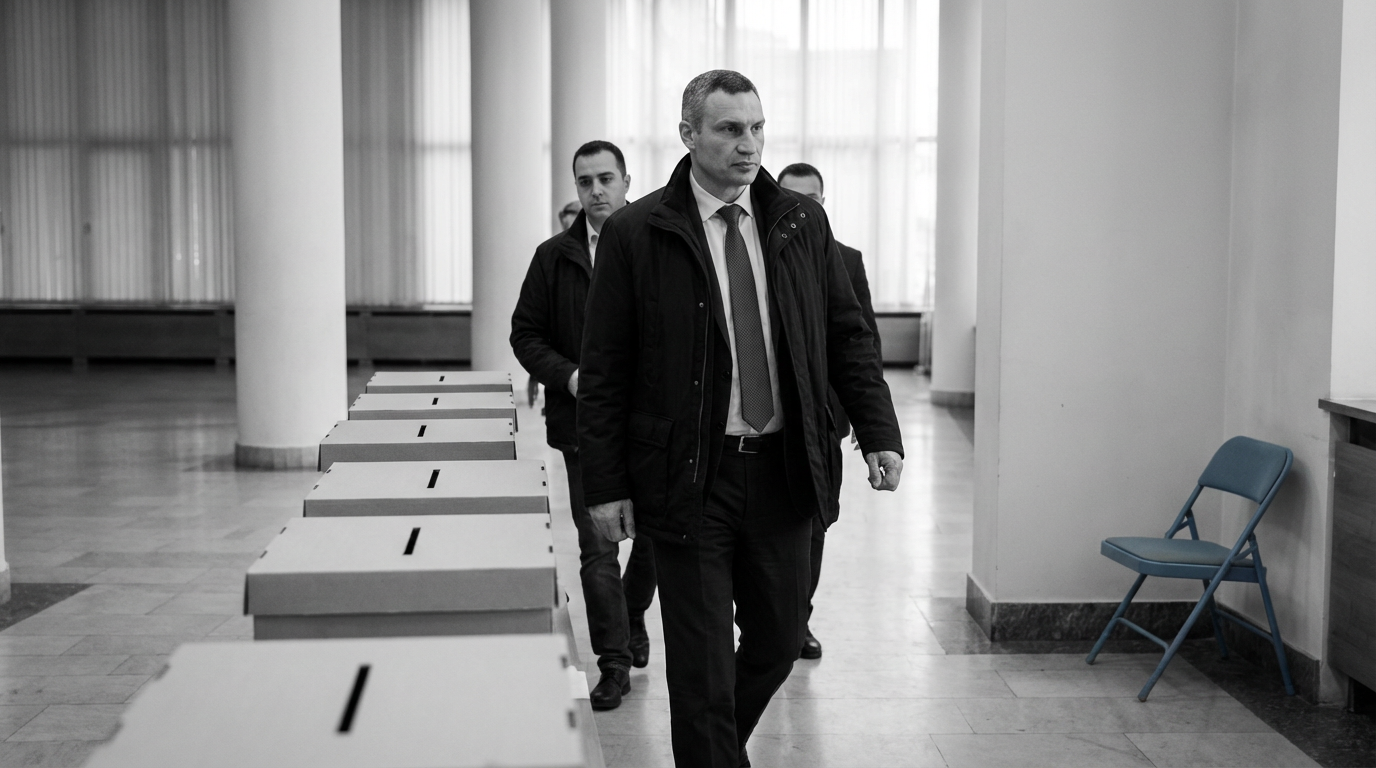
Bulgaria held its eighth parliamentary election in five years on Sunday, underscoring a prolonged period of political volatility and a parliament split among multiple blocs. Opinion surveys cited in the exit-poll picture showed Rumen Radev, who resigned from the presidency in January to run, on track to win the largest share of votes. His party, Progressive Bulgaria, campaigned on pledges to restore stability and tackle corruption.
Polling projections indicated Progressive Bulgaria could take about 35% of the vote. That result would likely make it the biggest force in the next parliament, but still short of a governing majority. The same surveys put the long-dominant GERB party, led by former Prime Minister Boyko Borissov, at roughly 18%, reinforcing expectations that coalition talks will be decisive in determining whether a cabinet can be formed.
The vote followed protests in December that culminated in the collapse of the previous government. Radev has presented his bid as a response to that upheaval, arguing that a fresh mandate is needed to end a pattern of short-lived administrations. Analysts, however, warned that even if parties manage to assemble a coalition, any new government could face heavy scrutiny and renewed instability.
Foreign policy was a central dividing line during the campaign. Radev was described as a pro-Russian eurosceptic who favors improved ties with Moscow and opposes sending military aid to Ukraine. In a fragmented parliament, coalition arithmetic could bring in the pro-European We Continue the Change–Democratic Bulgaria (PP-DB) alliance as a potential partner, highlighting how government formation may depend on bridging sharply different positions.
Domestic pressures also shaped the contest, particularly concerns about household finances. Radev’s platform addressed voter anxiety over the cost of living, an issue that has become more prominent since Bulgaria adopted the euro in January. The debate over prices and purchasing power added urgency to an election taking place amid widespread political fatigue.
Corruption remained a recurring theme across party messaging and public discussion. Bulgaria ranks 84th in Transparency International’s 2025 Corruption Perceptions Index, a figure frequently cited in the campaign to illustrate the scale of the challenge. Despite a clear polling leader, analysts said another snap election in 2026 remains possible, reflecting the difficulty of building a durable majority in the current landscape.