Will the Fragile US-Iran Truce Provide Long-Term Relief for the Global Economy?
US-Iran ceasefire pauses escalation, sending oil down nearly 15% after a recent surge of over 30% and easing immediate market stress.
Lauren Collins ·
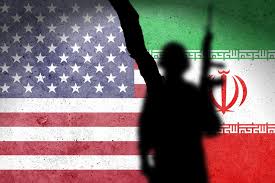
An eleventh-hour ceasefire agreement between the United States and Iran has paused a fast-worsening military standoff that had begun to spill into the global economy through energy prices and shipping risks. The temporary truce was reached after intense back-channel contacts and is being treated by markets as a near-term circuit breaker after weeks of escalating tension.
Investors responded quickly to the announcement. Oil prices, which had climbed by over 30% in recent weeks amid fears of broader disruption, fell nearly 15% in early trading as the immediate risk premium eased. The move reflected relief that the two countries stepped back from a confrontation that analysts had warned could carry severe economic costs.
The ceasefire follows a period marked by disruptions to critical shipping lanes in the Strait of Hormuz and targeted strikes on energy infrastructure, according to diplomatic accounts referenced in the report. With Washington and Tehran lacking formal diplomatic relations, diplomatic sources said Swiss and Omani intermediaries were central to keeping communication channels open and helping bridge messages during the crisis.
International pressure also built as the economic fallout spread. The European Union and China were cited among partners urging restraint, while rising energy costs were described as feeding inflation worldwide and pushing major economies to revise growth forecasts downward. The report framed the truce as a fragile reprieve for the global economy rather than a resolution of the underlying disputes.
As described, the initial terms focus on stopping all hostile military actions and pulling back naval assets from contested waters. Further talks are reportedly scheduled to address the economic sanctions and nuclear program disputes that ignited the crisis, indicating that the ceasefire is intended as a first step toward broader negotiations rather than a comprehensive settlement.
Both governments have presented the agreement as a win for domestic audiences, highlighting the political constraints that could shape what comes next. S. S. interests. S. ”
For now, the international community has welcomed the de-escalation, but observers remain cautious about durability. The report said the ceasefire’s staying power will depend on whether both sides can move from public positioning to substantive negotiations in the coming weeks, leaving uncertainty around how quickly talks can tackle sanctions and nuclear-related disputes.