Gulf States Weigh Ukrainian Interceptor Drone Option
Gulf states are evaluating the Terra A1 Ukrainian interceptor drone at 400,000 yen ($2,526) as conflicts strain costly missile-defense stockpiles.
Lauren Collins ·
Saudi Arabia and the UAE are assessing a Ukrainian-designed interceptor drone as a potential tool to defend against Iranian drone attacks, according to a Japanese company involved in marketing the system. The interceptor is positioned as a lower-cost alternative at a time when ongoing conflicts are drawing down inventories of higher-priced, U.S.-made missile defense interceptors. Officials were not cited in the material, and no procurement decision was described.
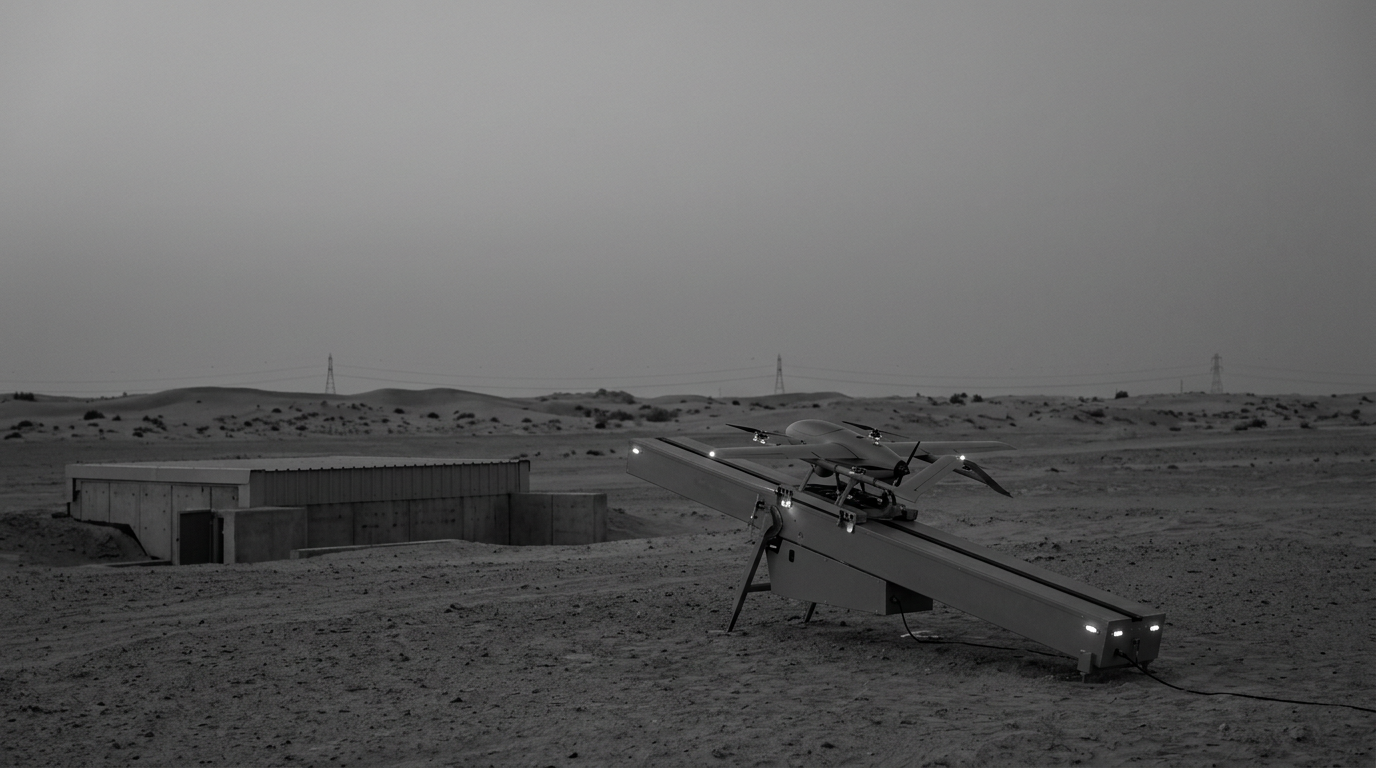
The product under review is the Terra A1, an interceptor drone being marketed by Terra Drone, a Japanese firm, through a partnership with Ukraine’s Amazing Drones. Terra Drone said the Terra A1 was designed to counter Shahed-type attacks and is priced at 400,000 yen ($2,526). The company framed the effort as part of a broader shift toward more economical air-defense options against mass-produced, low-cost drones.
The push for cheaper interceptors is tied to the cost imbalance between traditional missile defenses and the drones they are meant to stop. The material cited Patriot interceptor missiles at about $4 million each, while Iranian Shahed drones were estimated at $20,000. Against that backdrop, the Terra A1’s price point was presented as a way to reduce the cost of defending against large volumes of incoming drones.
The Japanese firm linked the demand signal to a period it described as beginning with the start of the U.S.-Israeli conflict with Iran, during which Tehran has deployed many mass-produced drones. The material also said the drones are similar to those used by Russia in Ukraine. The stated context is that sustained operations can strain stockpiles of expensive interceptors, increasing interest in systems that can be produced and used at lower unit cost.
Terra Drone said the Terra A1 has not yet been battle-tested. It added that trials are expected with the Ukrainian military in the coming months, which would be a key step in validating performance before any wider adoption. The company also indicated it wants to use its existing footprint in the Middle East to support potential expansion.
As part of that regional presence, Terra Drone cited its supply of survey drones to Saudi Aramco. It said it could seek to establish local production of the interceptor drones, a move that could affect how quickly systems can be delivered and sustained if demand rises. The timeline, scale, and location of any such production were not specified in the material.