Iran's Ceasefire Reply: The World Waits
The U.S. awaits Iran's response to a ceasefire proposal amid escalating military actions in the Strait of Hormuz, aiming for renewed negotiations.
Lauren Collins ·
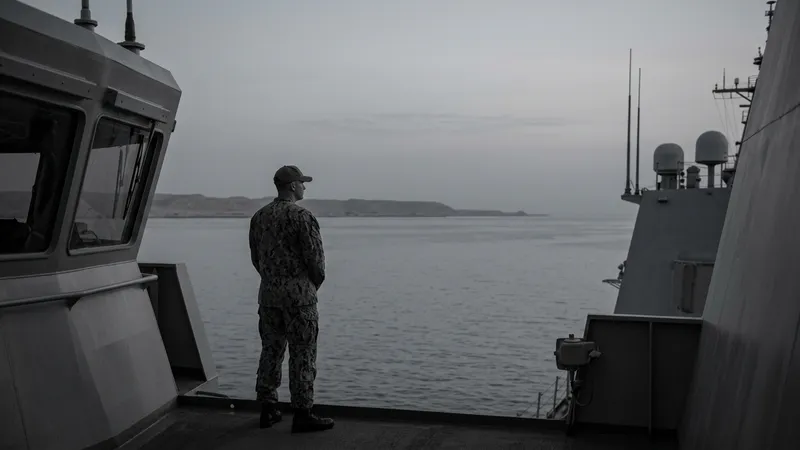
U.S. Awaits Iran's Ceasefire Response The United States is awaiting Iran's response to proposals for an interim ceasefire deal in the Middle East, as confirmed by U.S. Secretary of State Marco Rubio on Friday. This diplomatic development occurs amidst recent escalations in military engagements in and around the Strait of Hormuz, following an informal truce announced last month.
The U.S. proposals, delivered via Pakistan, aim to establish a more stable ceasefire and facilitate new negotiations. However, recent days have seen increased hostilities, including U.S. forces disabling two Iranian-flagged tankers attempting to breach a blockade of Iranian ports. Concurrently, Iran accused the U.S. of violating the ceasefire, with Iranian Foreign Minister Abbas Araghchi stating that Iran's ballistic missile capabilities have expanded during the pause in hostilities.
Despite the ongoing clashes, which included Iranian forces reportedly launching missiles and drones at U.S. warships and the United Arab Emirates reporting an Iranian missile barrage, diplomatic channels remain open.
The U.S. proposal reportedly includes a formal ceasefire for at least 60 days, intended to pave the way for discussions on contentious issues such as Iran's nuclear program.
The outcome of Iran's response is anticipated to influence regional stability and global economic factors, particularly oil prices.