Expired visa status leads to arrest of pharmacy instructor
Federal immigration agents detained a University of Maryland pharmacy instructor at a Texas airport for allegedly overstaying his visa.
Atlas Newsdesk ·
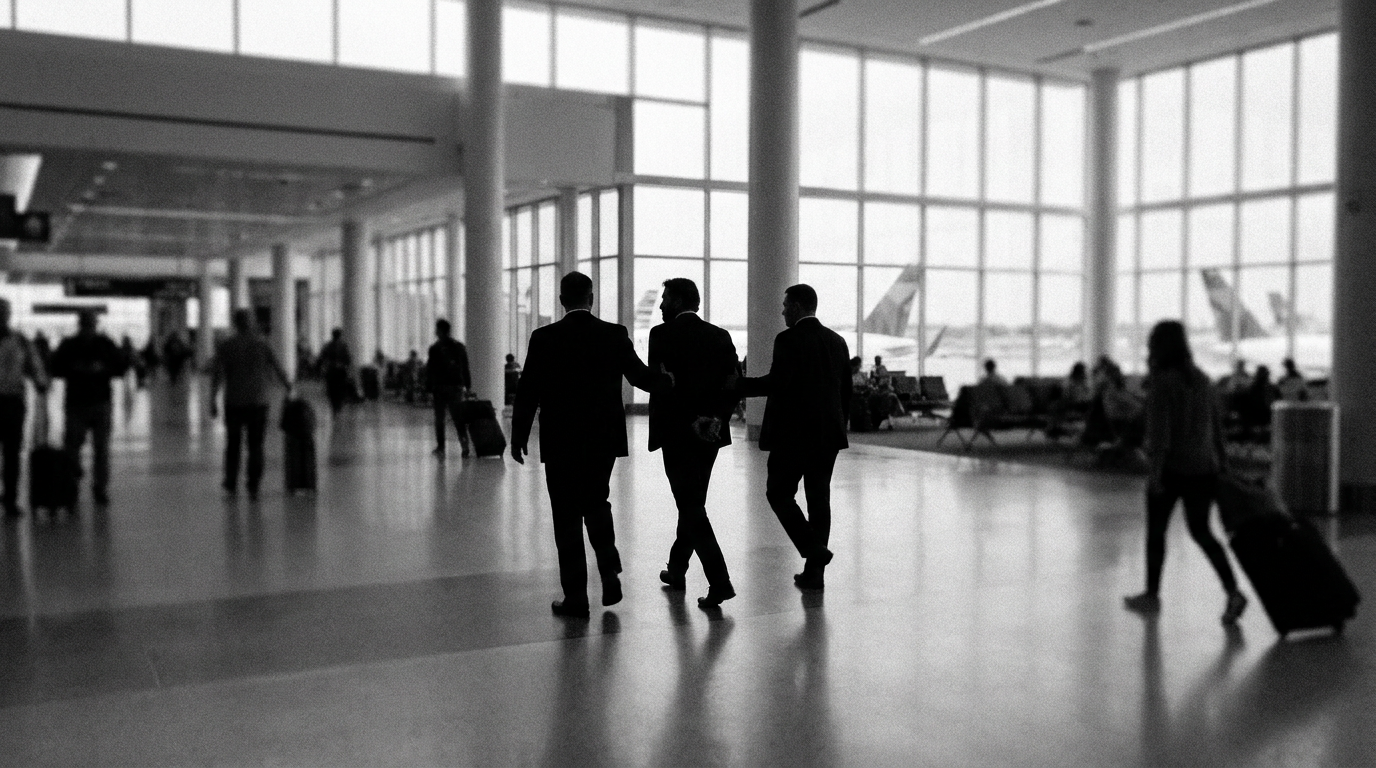
Federal immigration authorities have detained Berhanu Kibret, an award-winning pharmacy instructor at the University of Maryland, Baltimore, at Dallas-Fort Worth International Airport following his return from a professional conference. The Department of Homeland Security confirmed the enforcement action, citing an expired entry visa as the cause for his detention.
According to federal officials, Kibret entered the United States on June 21, 2021, on a visa that expired on May 31, 2024. Officials stated that he failed to leave the country after his authorization expired. Kibret, who was recently honored with a teacher of the year award by the American Association of Colleges of Pharmacy, remains in federal custody while his case proceeds through the administrative immigration court system.
University Highlights Valid Work Authorization
The University of Maryland expressed concern over the enforcement action, stating that Kibret holds valid authorization to work in the United States. University officials said they are monitoring the situation as legal proceedings unfold. The incident follows a similar detention of a researcher from Johns Hopkins University earlier this year, highlighting increased federal focus on visa compliance among foreign academics and research personnel.
Bureaucratic Gaps Prompt Fears of Talent Flight
The case underscores a persistent operational conflict between active U.S. employment authorization documents and expired entry visas. This administrative gap leaves legally employed foreign scholars vulnerable to immediate custody upon returning to the country from international travel. Following this incident, higher education institutions nationwide are expected to perform internal audits of visa documentation for foreign faculty and researchers to prevent similar enforcement at ports of entry.
Academic leaders warn that heightened regulatory friction could create widespread anxiety across higher education, potentially discouraging foreign scholars from participating in international conferences or taking positions at American universities. Observers note that sustained enforcement challenges may ultimately drive top scientific and academic talent toward institutions in Canada and Western Europe, which offer more streamlined immigration systems.