

UN findings on Gaza war crimes pressure US military aid to Israel
Formal UN findings create a legal threshold that may trigger administrative review of US arms transfers under domestic human rights statutes.
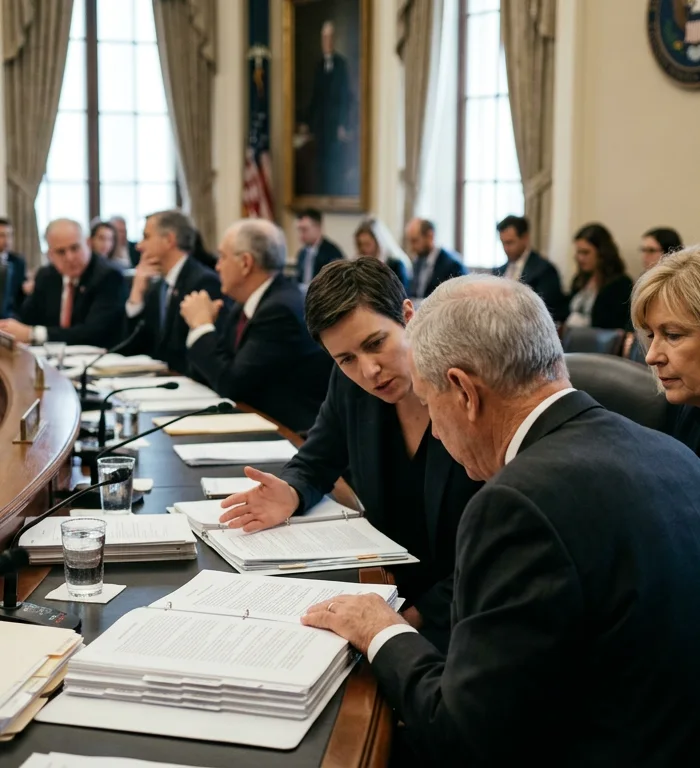
Legal thresholds for military support
The United Nations Commission of Inquiry into the conflict in Gaza has released findings accusing both Israel and Hamas of committing war crimes. This formal designation provides a standardized legal baseline that critics of the Biden administration are now citing to challenge ongoing US military assistance.
Under the Leahy Laws, the US is prohibited from providing military aid to units of foreign security forces implicated in gross violations of human rights. While previous administrations have frequently navigated these constraints through classified determinations, the UN report introduces an international evidentiary record that simplifies the process for lawmakers seeking to block specific weapons shipments.
Legislative and procedural risks
The United Nations Commission
The Leahy Laws are designed to insulate the US from complicity in international law violations by conditioning security assistance on the conduct of recipient units. Historically, the executive branch has held wide discretion in determining whether these conditions are met, often avoiding definitive rulings to maintain strategic alliances in the Middle East. The current challenge stems from the scope of the UN inquiry, which specifically identifies patterns of conduct it defines as war crimes. Congressional dissenters and human rights organizations are now leveraging this documentation to argue that the executive branch has a mandatory duty to conduct a formal review of unit-level compliance before authorizing further transfers. Global shipping and alliance stability The potential for a shift in US aid policy creates uncertainty across the regional security architecture. Continued support for the Israel Defense Forces remains a central pillar of US policy, but the administrative burden of certifying adherence to international humanitarian law has increased as the UN inquiry establishes a broader evidentiary framework.
Any formal pause or conditionality applied to these transfers would impact the wider Middle East theater, particularly regarding the deterrence of regional proxies and the stability of the Strait of Hormuz. Policymakers must weigh the diplomatic cost of appearing to ignore the UN findings against the strategic risk of degrading the operational capacity of a primary regional partner.
Reviewing the evidentiary standard
The primary uncertainty remains whether the State Department will incorporate these specific UN findings into its vetting process for arms transfers before the end of the fiscal year. Observers are watching for any formal policy guidance that addresses the intersection of these international findings with internal compliance requirements for weapons delivery.
More stories
- Monrovia mayor-designate seeks $14.5m city budget
- Iran's attacks hit 25 tankers near Strait of Hormuz
- Russia strikes Ukraine as Odesa faces electricity strain
- Bahrain reports two injuries after Iranian aerial attacks
- Baltic responders fight Sparta II fire after drone strike
- Estonia to close 5 Russia road crossings for six months
- Sudan authorities leave Ahmed Haroun arrest reports unconfirmed
- Duterte faces scrutiny over 47-fold Gencorp gap
- Mojtaba Khamenei warns US, Israel after meeting 3 commanders
- Burnham’s Scotland push tests SNP independence case
Latest news
- Germany to pay about $11 a month into child pension accounts
- Laura Brand curbs prison messages after YouTube dispute
- Nigeria's family-planning budget falls 97%
- Peter Attia reviews cold therapy claims on longevity
- Singapore core inflation eases to 1.5% in October
- Social Security raises 2027 benefits 3.6%
- Hull City 2–0 Brighton: When Resilience Beat Reputation
- David Parr House to honor Victorian art-workman with blue plaque