

UK iPhone update mandates 18+ age verification
Apple now asks UK iPhone users to confirm they are 18+ via a software update, using a credit card or ID scan; limits for non-verified users are unclear.
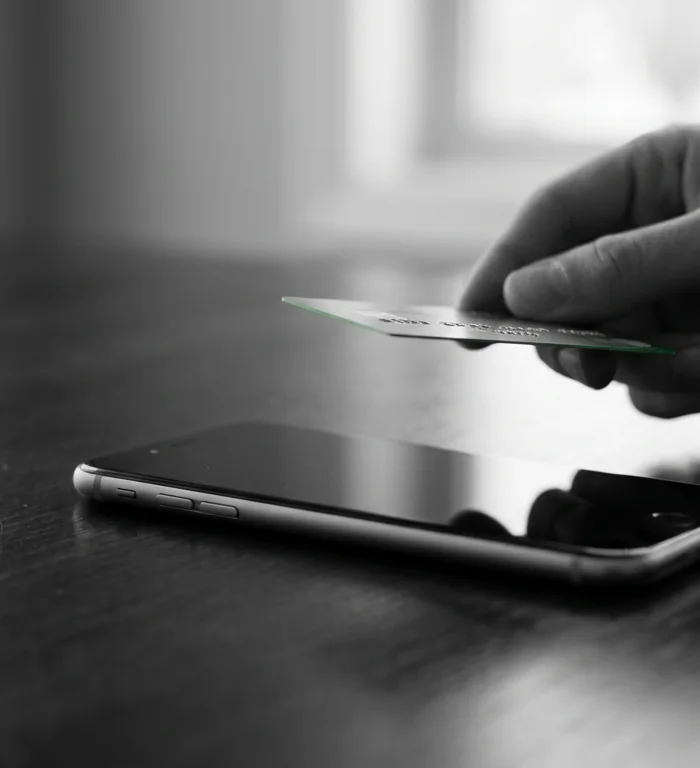
Apple has started rolling out a new requirement for iPhone users in the United Kingdom: some services and functions will now require confirmation that the account holder is an adult.
The change is being delivered through a software update and applies at the device level, linking the age gate to an Apple user’s account activity rather than to a single website or app.
How the verification works
Apple’s process offers two ways to complete the check. Users can verify adulthood using a credit card, or they can scan an identity document.
Under the described approach, debit cards are not accepted. The documents listed as eligible include a driving licence or a national identity card.
What is confirmed—and what remains unclear
The prompt is framed as confirming a user is 18 or older. Apple has indicated that users who do not complete the step could face restrictions.
However, the company has not specified which services, features, or account actions will be limited without age confirmation. That missing detail is a central uncertainty for both consumers and developers trying to understand the practical impact on everyday iPhone use in the UK.
Regulatory context in the UK
The rollout comes as UK policymakers and regulators increase pressure on technology companies to strengthen protections for children online. Ofcom, the UK’s online regulator, endorsed Apple’s move and described it as a meaningful step for child safety and for reducing exposure to harmful material.
The development also follows age-check requirements adopted by various web services seeking to align with the UK’s Online Safety Act. The available information notes that app stores are not directly covered by that legislation, suggesting Apple’s device-level approach goes beyond what is explicitly required for app marketplaces.
Privacy and implementation questions
Some users have raised concerns about sharing sensitive information to prove age, because the options involve either financial credentials or government-issued identification. Those concerns may influence how smoothly the change is adopted.
Based on the information available here, Apple has not provided further detail on how verification data is handled, how long it may be retained, or how the information is processed. That gap is likely to remain a key point for public scrutiny and for any broader policy debate about device-level age assurance.
More stories
- Europe faces attribution gap after 16 cyber, physical incidents
- PIF backs Grand Theft Auto as Saudi players embrace game
- Signal limits screenshots to curb AI access to messages
- Cognition runs Devin Mac workspaces on EC2 in 6 AWS regions
- Salesforce engineers cut 600-failure triage to 90 minutes
- Türkiye Desk: GTA 6 puts console access and network demand in focus
- Musk Unveils Austin Chip Venture to Power AI, Robotics and Space Ambitions
- From Chatbot to Operating System: OpenAI's Platform Strategy
Latest news
- Macy’s parade faces balloon limits as storm winds approach
- COP31 climate talks collapse over fossil fuels and funds
- Highly diversified investors report 91% confidence in retirement
- Russian military faces 1,087 recorded suicides in Ukraine war
- US faces China, Russia in Africa minerals contest
- Russian war deaths top 460,000, Guardian says
- Nvidia board gets Trump input on Jensen Huang return as CEO
- Rwanda faces budget strain from 85% electricity access push