Musk Unveils Austin Chip Venture to Power AI, Robotics and Space Ambitions
Jason Kwon ·
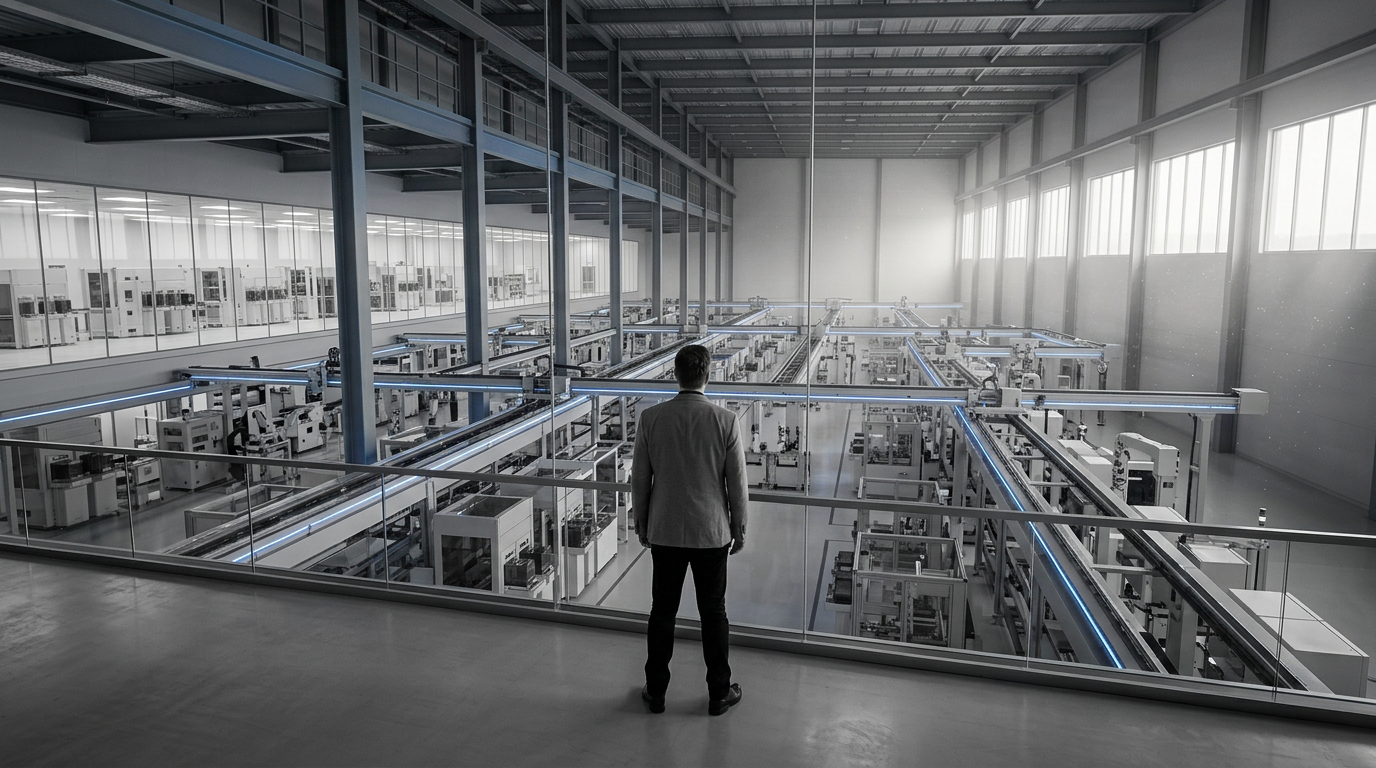
Elon Musk has unveiled plans for a new semiconductor manufacturing initiative, positioning Austin, Texas , as the future base for a facility designed to produce chips for artificial intelligence, robotics and space-based computing.
Speaking at an event in downtown Austin, Musk said the project—named “Terafab”—will be jointly operated by Tesla and SpaceX .
The initial phase will involve building what he described as an advanced fabrication plant capable of producing and testing a wide range of semiconductor designs. Although Musk has previously suggested starting with a smaller-scale operation before expanding, he did not provide a timeline for construction or production targets.
The announcement reflects Musk’s growing concern that global chip supply will not keep pace with the demands of his companies, particularly as Tesla and SpaceX increase their investments in AI systems, autonomous technologies and robotics.
He argued that existing industry output is insufficient for his projected needs, framing the project as a necessity rather than an optional expansion.
Long-Term Ambitions for Terafab
According to Musk, the long-term ambition is to support up to 1 terawatt of computing capacity annually.
He outlined plans for chips capable of delivering between 100 and 200 gigawatts of computing power on Earth, alongside more powerful designs intended for use in space-based systems.
Earlier remarks from Musk indicated the facility could focus on producing advanced 2-nanometer chips, though those specifications were not expanded upon during the latest presentation.
The proposed site appears to be located near Tesla’s existing headquarters and gigafactory in Austin.
If completed, the project could strengthen Texas’ role in semiconductor manufacturing, an industry that typically requires tens of billions of dollars in investment and years of development before reaching full capacity.
Despite widespread concern among technology executives about chip shortages—particularly for AI workloads—it remains uncommon for companies outside the semiconductor sector to build their own fabrication facilities.
Tesla currently relies on suppliers such as Taiwan Semiconductor Manufacturing Co. , Samsung and Micron Technology .
Musk indicated these partners may not be able to meet the company’s future demand as it shifts further toward AI-driven products, including autonomous vehicles, robotaxis and humanoid robots.
Categories of Chips to be Produced
The Terafab facility is expected to produce two primary categories of chips: lower-power processors optimized for edge computing and inference tasks in Tesla’s vehicles and robots, and high-performance chips intended for space applications, potentially used by SpaceX and its AI subsidiary, xAI .
Musk said xAI is likely to consume the majority of the output.
The presentation also touched on broader ambitions tied to space-based computing. Musk revealed a conceptual design for a compact satellite data center capable of generating around 100 kilowatts of power, with future versions potentially reaching megawatt levels.
SpaceX has already sought regulatory approval to deploy a large constellation of such satellites.
Funding these initiatives is expected to play a role in SpaceX’s planned initial public offering later this year, which could raise tens of billions of dollars and rank among the largest IPOs on record, according to prior reporting.
While the Terafab concept signals an aggressive push toward vertical integration in chip production, key details—including cost, timeline and technical feasibility—remain uncertain.