Trump Iran plan revives 15-point term sheet from 2025
Trump Iran plan references a 15-point framework tied to 2025 talks, as he pauses threatened energy strikes for five days.
Cuneyd Erdogan ·
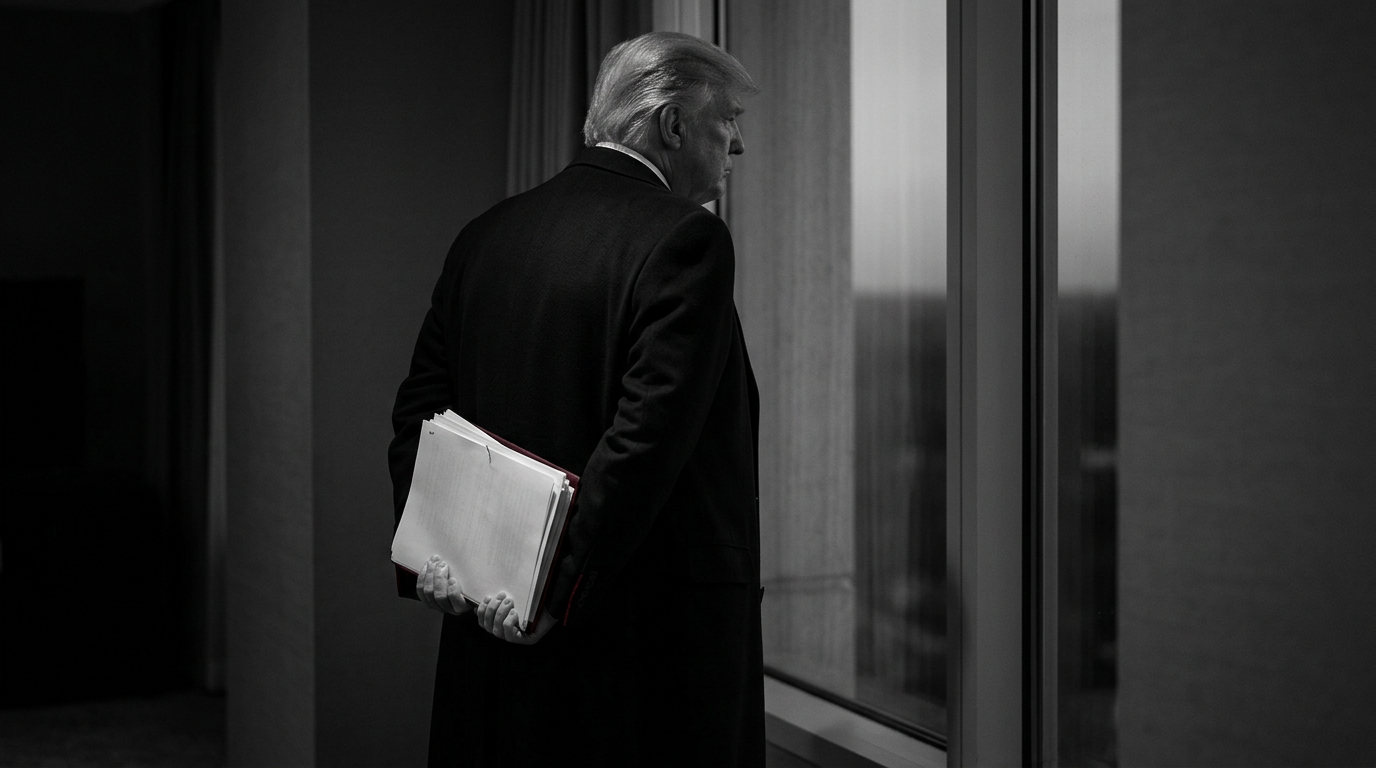
US President Donald Trump said discussions over a possible arrangement with Iran had been “very good and productive” over the prior two days, as he described progress toward “15 points of agreement.”
Diplomats familiar with earlier negotiations, however, believe the framework now being referenced largely tracks a US document circulated in late May 2025, raising questions about how much has changed since that earlier effort failed.
What changed this week
Trump said he was delaying for five days a threatened strike on Iran’s energy infrastructure to allow time to see whether agreement could be reached on the “15 points.”
Iran, by contrast, denied that any backchannel contacts had taken place, saying only indirect discussions about restarting talks had occurred.
What diplomats say the “15 points” are
Diplomats with knowledge of the 2025 talks said the referenced plan appears to be based on a US “term sheet” presented unilaterally during nuclear negotiations in late May 2025.
Those talks collapsed shortly afterward following Israeli airstrikes on Iran’s nuclear programme, and diplomats said the earlier document was not accepted by Iran at the time.
Key elements of the earlier US term sheet
Under the 2025 proposal, the US would lift nuclear-related sanctions, but not broader measures including those tied to human rights.
The US proposal also included limits on how any funds unlocked by sanctions relief could be used, including a restriction on financing Iran’s ballistic missile programme.
On the nuclear side, the plan proposed that Iran’s uranium stockpiles be removed from the country immediately and down-blended to 3.67%.
It also called for enrichment sites to be made unusable within a month and for centrifuges to be rendered inoperable.
Why the framework may be outdated
Diplomats noted that there have been three additional rounds of talks in 2026, and that Iran’s nuclear programme—particularly key enrichment locations—has since been “obliterated” by US bombing.
Some diplomats close to the process said they do not believe a substantially new US document exists; they added that even if Washington is drafting an updated plan, it has not been presented to Iran or secured Iranian agreement.
Wider agenda: security, shipping lanes, and regional guarantees
The earlier term sheet included US support for a new Iranian civil nuclear programme, with a fuel farm located outside Iran and subject to inspection by the UN nuclear watchdog.
It also proposed a regional enrichment consortium involving Iran, the US, the UAE, Qatar, and Saudi Arabia, potentially with an external manager.
Diplomats said any renewed talks—possibly overseen by Pakistan and held in Islamabad—would likely see Iran seek a difficult-to-deliver US commitment against further military attacks.
They added that freedom of navigation through the Strait of Hormuz would need to be addressed, while Gulf states would be looking for assurances from Iran, potentially via a non-aggression pact.
G7 divisions come into view
Pakistan’s Prime Minister Shehbaz Sharif confirmed Pakistan’s offer to host talks on Tuesday, and there were hopes that US Vice President JD Vance would attend.
Separately, differences between the US and other G7 members over the decision to launch attacks on Iran are set to be exposed at a G7 foreign ministers’ meeting in Paris on Thursday and Friday, attended by US Secretary of State Marco Rubio.
France, Germany, Italy, the UK, Canada, and Japan have said they do not support what they describe as an unlawful and unnecessary war, while also stressing their focus on defending Gulf allies, protecting national interests in the region, and maintaining navigation through the Strait of Hormuz—framing any intervention as something that could occur only after a ceasefire.