Hormuz, Uranium Impede US
Pakistan is mediating U.S.-Iran ceasefire talks, but control of the Strait of Hormuz and Iran's uranium stockpile remain key unresolved issues.
Lauren Collins ·
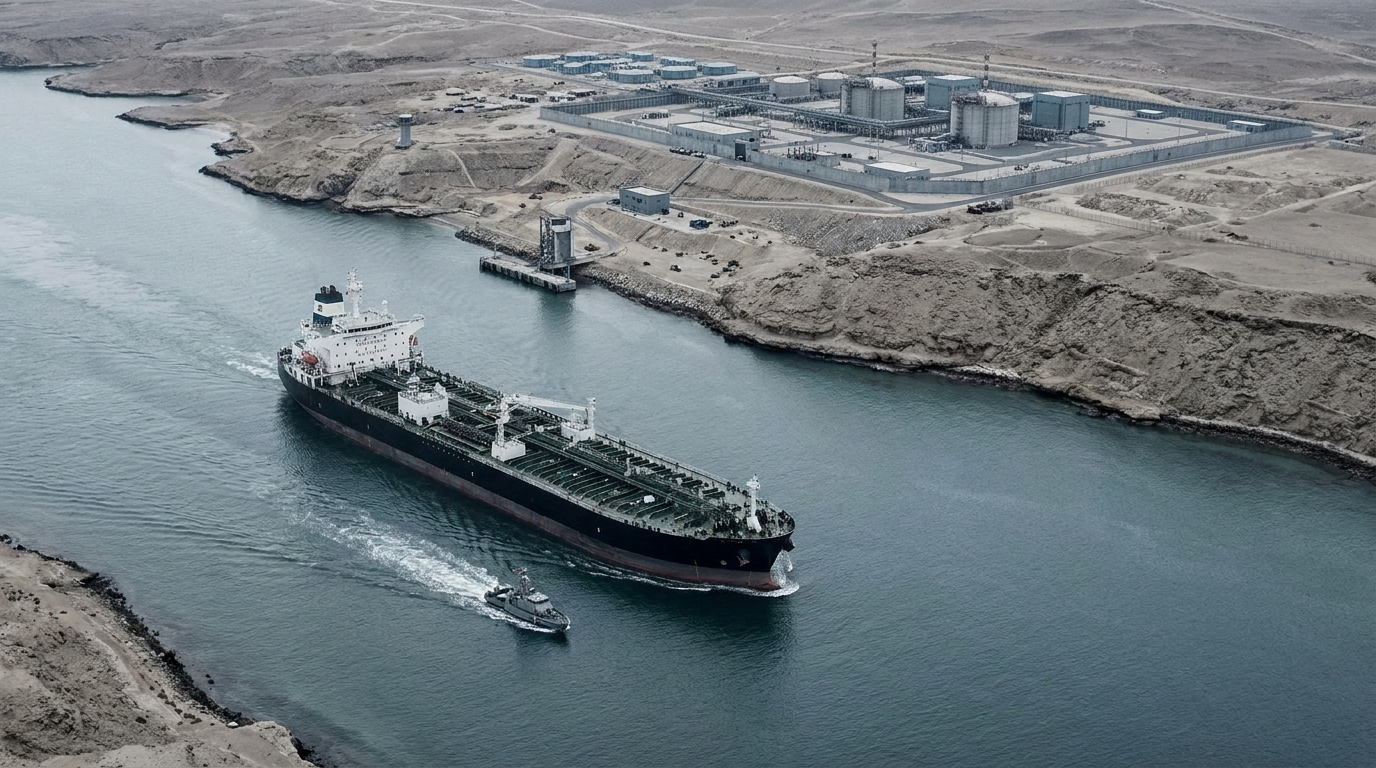
Pakistan Mediates US-Iran Ceasefire Talks Amid Key Disputes
Pakistani mediators continued efforts to secure a permanent ceasefire between the United States and Iran on Friday, with significant disagreements persisting over the future control of the Strait of Hormuz and Iran's stockpile of highly enriched uranium. These issues emerged as central obstacles during ongoing negotiations aimed at ending the conflict.
Iran has proposed postponing discussions on its nuclear program to prioritize a cessation of hostilities, seeking a phased lifting of U.S. sanctions, unfreezing of assets, and compensation for war damages. Concurrently, Tehran has suggested its newly established Persian Gulf Strait Authority (PGSA) manage the Strait of Hormuz, imposing fees and directing vessel traffic through specific routes. This proposal has met resistance from five Gulf states—Bahrain, Kuwait, Qatar, Saudi Arabia, and the United Arab Emirates—who have formally urged the International Maritime Authority to reject the PGSA, viewing it as an attempt to control and monetize an international waterway.
Regarding nuclear materials, Washington demands Iran export its highly enriched uranium stockpile. Iran, however, has indicated it intends to downblend the material domestically. Despite these points of contention, Pakistani officials, including Interior Minister Mohsen Naqvi, have engaged with Iranian Foreign Minister Abbas Araghchi in an attempt to achieve a breakthrough, with a potential visit by Pakistan's army chief, Field Marshal Asim Munir, to Tehran signaling possible progress.