Trump's Influence Wanes Among Senate Republicans
President Trump's influence among Senate Republicans has significantly declined, leading to the delay of a $72 billion immigration bill.
Lauren Collins ·
Trump's Influence Wanes Among Senate Republicans
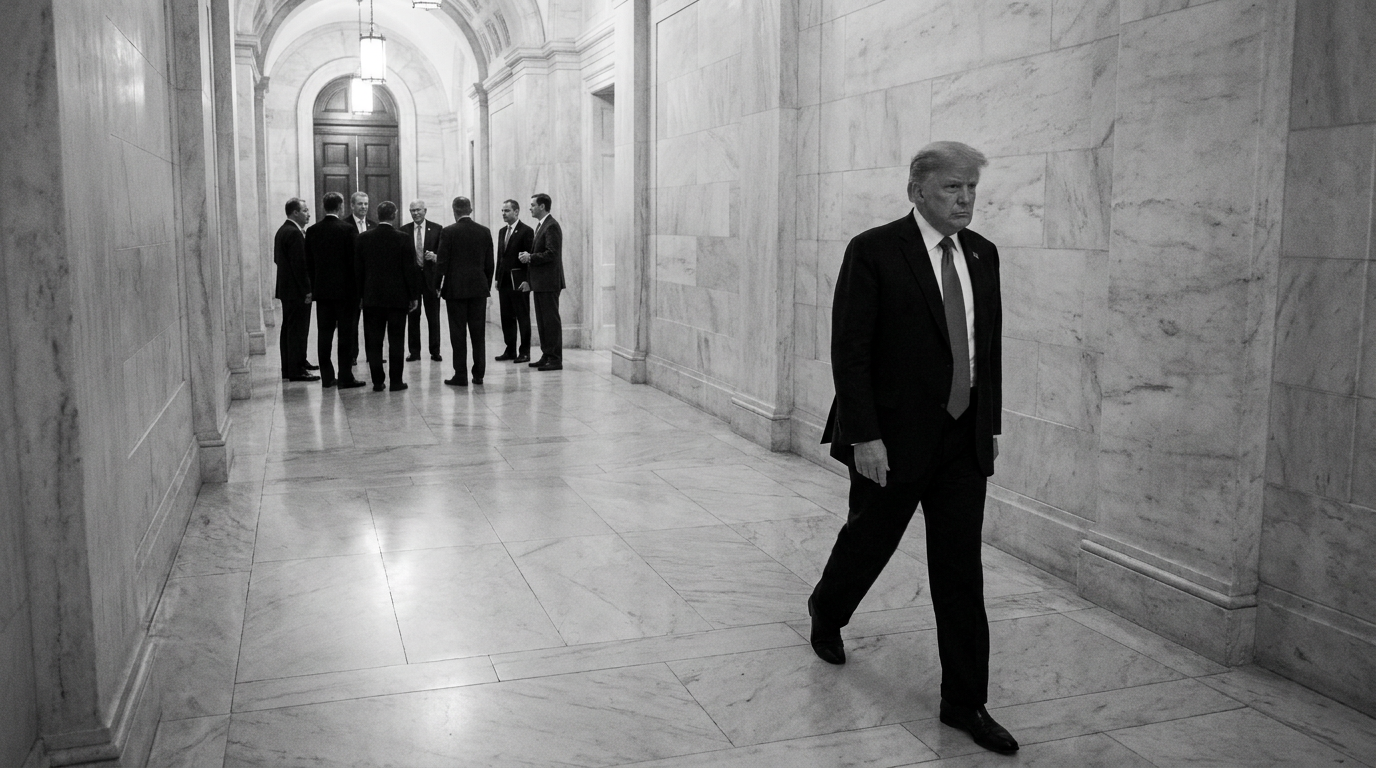
Washington, D.C. – On May 21, 2026, a proposed $72 billion immigration enforcement bill failed to advance in the U.S. Senate, primarily due to escalating tensions between President Donald Trump and Republican senators. This legislative setback occurred as lawmakers departed Washington, D.C., for a recess, missing a June 1 deadline for the bill's passage.
The primary driver of this division is a $1.8 billion fund established by the Trump administration, intended for individuals alleging government targeting, potentially including participants in the 2021 Capitol attack. Senate Republicans expressed significant anger over this fund, viewing it as politically unexplainable and morally objectionable.
Additionally, President Trump's insistence on including unrelated priorities, such as security funding for a White House ballroom renovation and unrestricted use of the "anti-weaponization" fund, further alienated Republican senators. The White House had reportedly indicated a potential veto of any immigration bill lacking these provisions, though a White House official denied this claim.
The strained relationship is also a consequence of President Trump's recent actions against incumbent Republican senators. He supported the ousting of Senator Bill Cassidy (R-La.) in a primary and endorsed Texas Attorney General Ken Paxton over Senator John Cornyn (R-Texas).
These actions, coupled with his criticism of the nonpartisan Senate parliamentarian, have eroded goodwill among his Republican colleagues. Acting Attorney General Todd Blanche's briefing to Senate Republicans on the $1.8 billion fund on Thursday morning was met with significant frustration, with senators like Kevin Cramer (R-N.D.) and Thom Tillis (R-N.C.) expressing strong opposition.
Senate Judiciary Chair Chuck Grassley (R-Iowa) emphasized the need for closer consultation with Congress.
Consequently, President Trump's influence over the Senate GOP has reached its lowest point in his second term, according to Republican sources. This decline in senatorial sway contrasts with his continued influence in party primaries. The delay in the immigration bill underscores the growing chasm between the President and his party's Senate contingent, impacting legislative priorities.