Kenya Govt Won't Cut Fuel Taxes Post-Protest
Kenyan President Ruto has ruled out further fuel tax cuts despite deadly protests and millions spent on subsidies, citing essential public services.
Lauren Collins ·
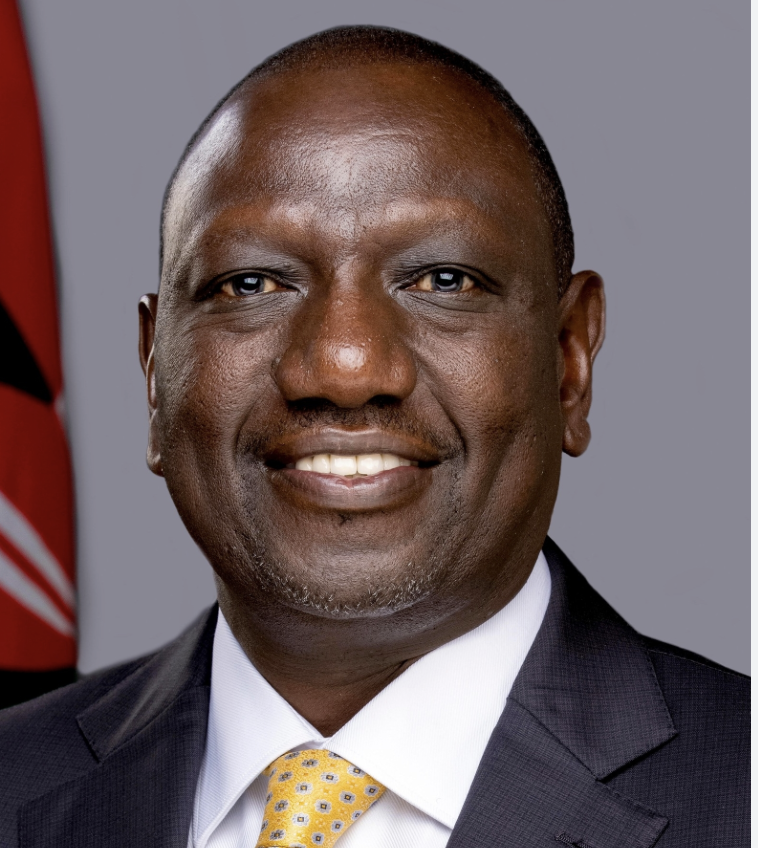
Kenyan President William Ruto has signaled no further reductions to fuel taxes will be forthcoming, even after a week of violent protests that paralyzed the capital city of Nairobi. The demonstrations were sparked by the government's refusal to lower taxes on diesel and gasoline, which have remained stubbornly high.
Ruto stated that maintaining current tax levels is crucial for funding essential public services. He emphasized that Kenya, like other nations, cannot entirely insulate itself from global oil price fluctuations. The president highlighted the significant financial commitment already made to stabilize fuel costs.
Subsidies and Tax Breaks Under Scrutiny
Since the onset of the US-Israeli war on Iran, Kenya has reportedly spent 28.2 billion shillings, equivalent to approximately $217 million, to artificially suppress fuel prices. This expenditure utilized a combination of subsidies and tax concessions. Ruto made these remarks on Friday while speaking to reporters in the coastal city of Mombasa.
While acknowledging the public's concerns, Ruto pointed out the difficult trade-offs involved in reducing tax revenues. He questioned the feasibility of funding critical public services, such as healthcare and education, if fuel taxes were to be eliminated entirely. The president suggested that such a move would necessitate cuts in other vital areas of government spending.
Limited Price Relief Offered
Despite his firm stance against broad tax cuts, President Ruto did announce a modest decrease in diesel prices. Effective next month, consumers can expect a reduction of 10 shillings per liter. This measure aims to provide some relief without compromising government revenue streams.
Ruto reiterated that this is the extent of the financial concessions the government is prepared to make regarding fuel costs. He stressed the importance of fiscal responsibility and the need to balance immediate public demands with long-term economic stability. The government maintains that its existing policies are the most sustainable approach in the current global economic climate.
The president's comments come after several days of severe disruptions, including clashes between protestors and law enforcement in Nairobi. The demonstrations underscored the deep frustration felt by many Kenyans regarding the rising cost of living. The government faces the challenge of appeasing public discontent while navigating international economic pressures and maintaining its fiscal framework.
Looking ahead, the administration must contend with the persistent public outcry over high fuel prices. Balancing the need for revenue to fund public services against the immediate economic hardship faced by citizens will remain a key challenge for President Ruto's government. Further discussions on alternative revenue generation or targeted relief measures may become necessary if public pressure intensifies.