Trump Claims Iran Peace Deal Near, Strait of Hormuz Reopening
President Trump announced a potential Iran peace deal nearing finalization, aiming to reopen the crucial Strait of Hormuz.
Lauren Collins ·
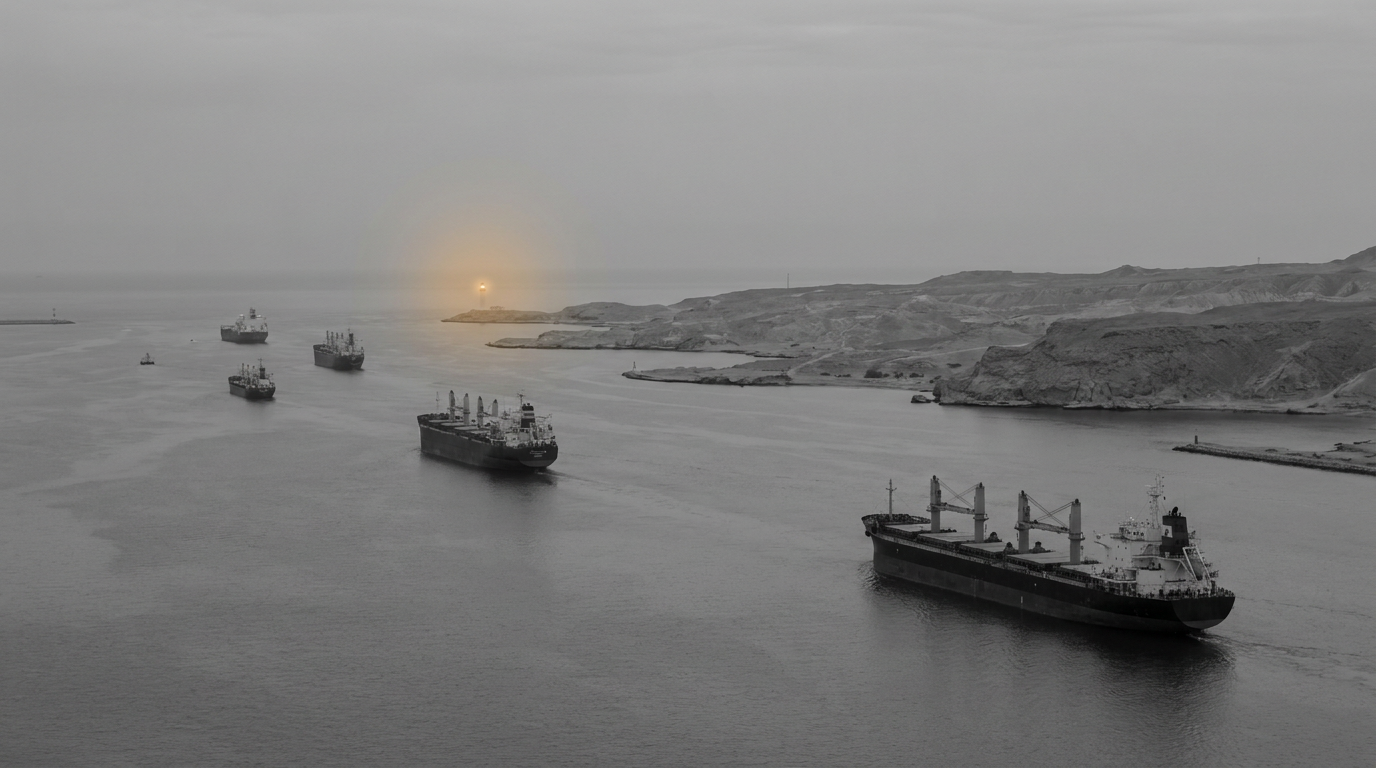
President Donald Trump has indicated a significant breakthrough in negotiations with Iran, stating that a peace deal is "largely negotiated." The primary objective of this potential agreement appears to be the reopening of the vital Strait of Hormuz, a critical chokepoint for global energy shipments.
Trump shared his optimism via social media on Saturday, announcing that the framework for an agreement is nearing completion. He specified that the deal, if finalized, would involve the United States, Iran, and several other international partners. This development follows a period of intense diplomatic engagement, with regional powers actively supporting the mediation efforts.
Diplomatic Push and Regional Support
The announcement came after President Trump engaged in discussions with leaders from key regional countries, including Saudi Arabia, Qatar, the United Arab Emirates, Pakistan, and Turkey. He also spoke with Israeli Prime Minister Benjamin Netanyahu about what he termed a "Memorandum of Understanding pertaining to PEACE." These conversations highlight a broad coalition of nations invested in de-escalating tensions and securing regional stability.
Earlier statements from Iran suggested that talks on a comprehensive peace settlement were progressing. Tehran indicated that negotiations were focused on achieving an end to hostilities on all fronts, with other contentious issues to be addressed at a later stage. Pakistan and several Arab nations have been instrumental in facilitating these discussions, advocating for a broader agreement that extends the current fragile ceasefire.
Key Issues and Unresolved Challenges
While progress has been reported, significant hurdles remain before a definitive agreement can be reached. Crucial issues such as Iran's nuclear program and demands for sanctions relief are not yet on the forefront of current discussions, according to Iranian Foreign Ministry spokesman Esmail Baghaei. The status of Iran's enriched uranium and concerns over its potential nuclear capabilities are points of contention that the U.S. insists must be resolved.
The administration of the Strait of Hormuz, which has seen limited maritime traffic since a conflict began on February 28, is another central element of the negotiations. S. remains firm on its stance that Iran must not acquire nuclear weapons and that free passage through the strait must be guaranteed. Iran, meanwhile, has rejected demands to halt its uranium enrichment activities, asserting its nuclear program is for peaceful purposes.
Furthermore, Tehran is seeking the release of a substantial portion of its frozen foreign assets as an initial step towards broader economic normalization. This demand is part of a larger push for sanctions relief that remains a significant point of divergence between the two nations. The specifics of how these complex issues will be reconciled are yet to be detailed, casting a shadow of uncertainty over the finalization of the accord.