Taiwan President Reaffirms Sovereignty Stance
Taiwan's President Lai Ching-te reaffirmed the island's independent status, stating it is not subordinate to Beijing, following a U.S.-China summit.
Lauren Collins ·
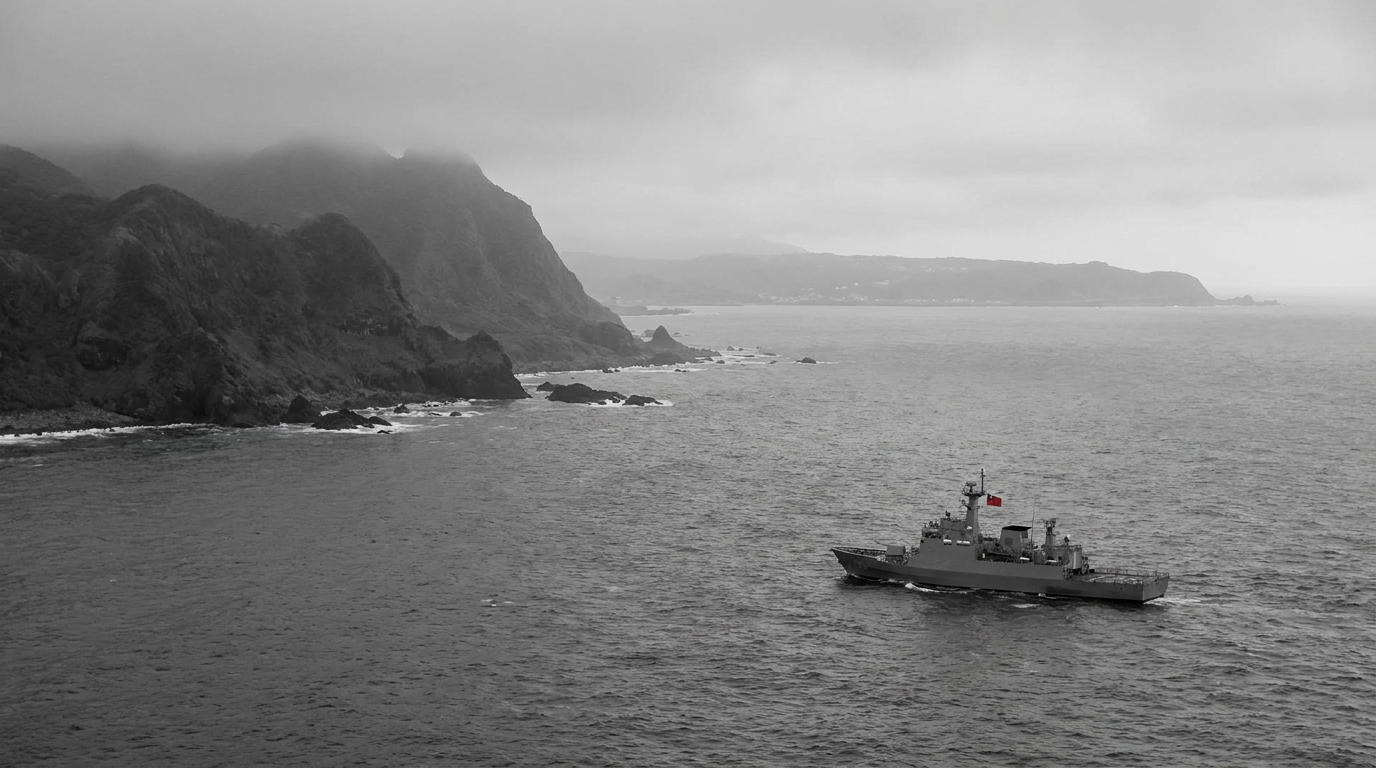
Taiwanese President Lai Ching-te stated on Sunday, May 17, that "Taiwan independence" signifies the island's non-subordination to Beijing and that its future rests solely with its people. This reiteration of his long-held views follows a summit between U.S. President Donald Trump and Chinese President Xi Jinping, which generated concerns in Taiwan regarding U.S. support.
China considers democratically governed Taiwan its territory and has not renounced the use of force to assert control, particularly if Taiwan pursues formal independence. President Lai emphasized that his Democratic Progressive Party (DPP) passed a resolution in 1999, which remains party policy, affirming Taiwan as a sovereign and independent nation under the name Republic of China.
Lai clarified that the term "Taiwan independence" means Taiwan is not part of the People's Republic of China, and that the Republic of China and the People's Republic of China are not subordinate to each other. He highlighted that the Republic of China has been integrated with Taiwan for 70 to 80 years, encompassing the 23 million people of Taiwan, Penghu, Kinmen, and Matsu.
Trump, returning from Beijing, indicated he had not yet decided on future arms sales to Taiwan, a matter stipulated by the 1979 Taiwan Relations Act.