Divergence Between U.S. Rhetoric and Policy Regarding China
The gap between U.S. political rhetoric and China policy creates strategic uncertainty, undermining consistent national security governance.
Lauren Collins ·
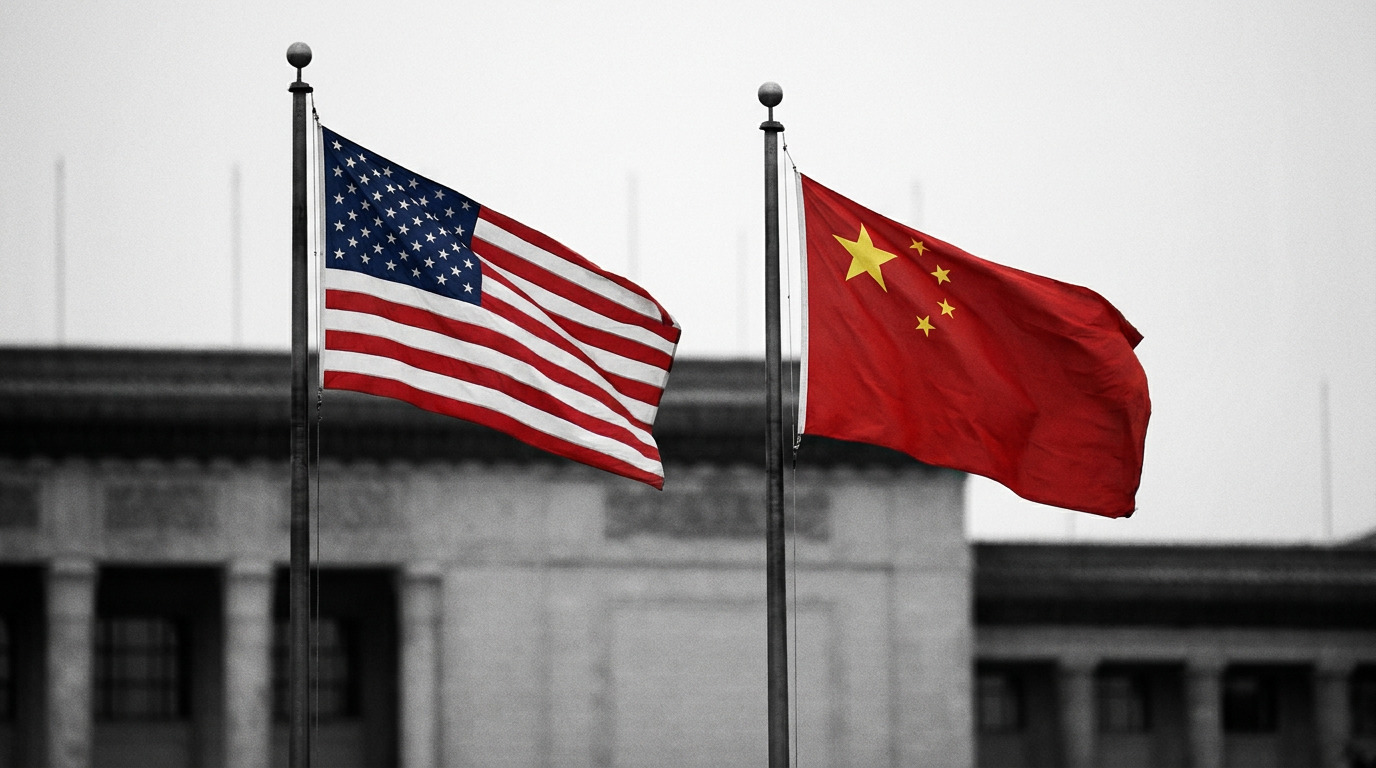
Recent executive allegations regarding Chinese interference in U.S. electoral processes lack corresponding shifts in substantive policy. Despite claims of large-scale subversion, current administrative actions remain inconsistent with the severity of the stated threat. This disconnect suggests that official rhetoric regarding China is increasingly decoupled from strategic security objectives.
Specific policy contradictions include the delayed enforcement of restrictions on Chinese-owned digital platforms and the continued authorization of high-end semiconductor exports to Chinese entities. Furthermore, administrative reductions in domestic cybersecurity capabilities for electoral protection contrast with the administration's public focus on foreign cyberaggression.
Institutional analysis indicates that China is frequently utilized as a political signifier rather than a target for coherent policy alignment. This shift complicates long-term strategic planning, as defense and intelligence priorities are increasingly subordinated to domestic political messaging. Stakeholders should anticipate continued volatility in bilateral relations, as the gap between public accusations and actual regulatory enforcement remains significant.