California Suburbs Face Population Shrinkage Amid Affordability Crisis
Many California suburbs are experiencing significant population decline, a trend that could impact the state's workforce, economy, and political…
Lauren Collins ·
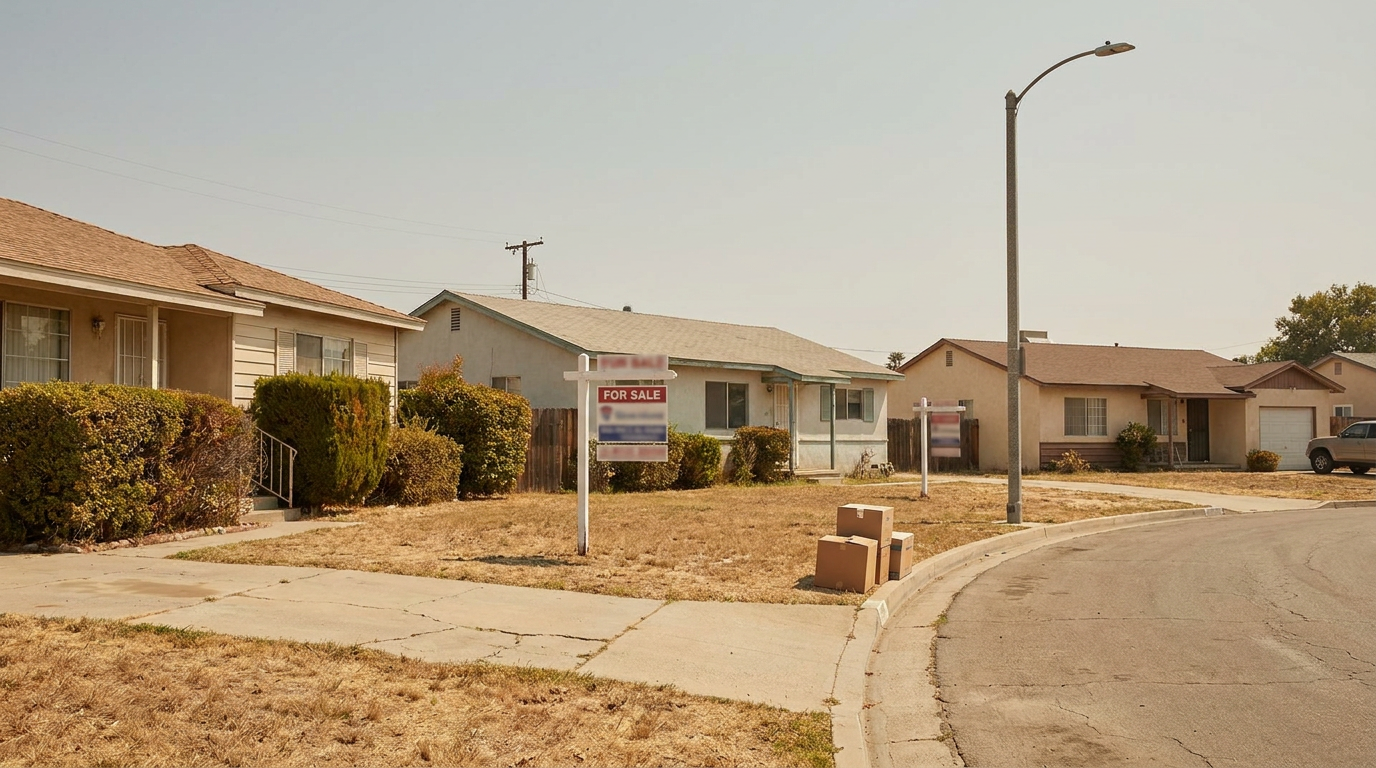
California's suburban regions are undergoing a significant population decline, particularly in working and middle-class communities. This demographic shift is highlighted by recent Census Bureau data, which indicates a consistent exodus from many commuter-heavy areas.
This trend has substantial implications, potentially diminishing the diverse workforce critical to California's economy and weakening its political influence as residents seek more affordable locales.
Suburban Exodus Concentrates in Key Areas
Data indicates that 52 out of California's 177 cities with populations exceeding 50,000 have faced annual population losses between 2021 and 2025. This downturn is not random, showing a clear pattern in established suburban areas.
Notably, seven of the ten fastest-shrinking cities are Los Angeles County suburbs. Union City in the Bay Area recorded the steepest decline, a substantial 6.9% decrease in its resident count.
Across the nation, California stands out in this regard. Eleven of the top 15 large U.S. cities experiencing the most significant cumulative population losses during this period are located within the state. San Francisco, while showing some recovery, has still lost over 52,000 residents since 2020.
Affordability Crisis Drives Out Migration
The primary catalyst for these suburban population decreases is California's severe housing affordability crisis. Many affected suburban communities, historically serving as anchors for generational stability, are home to significant Latino and Asian American populations.
Cities like Union City, San Leandro, and Huntington Park, characterized as working-class and immigrant-centered, are experiencing notable reductions. Even aspirational middle-class cities such as Pleasanton and Cerritos are shrinking, reflecting the broad impact of housing costs.
These areas, once attainable for essential workers and middle-income families, are now pushing residents out. The financial strain of housing combined with other living expenses makes staying increasingly difficult for many households.
Long-Term Implications for the Golden State
While some inland California cities, such as Lathrop, Manteca, and Menifee, continue to grow, the established inner suburbs are bearing the brunt of population loss. This disparity creates a complex demographic landscape for the state.
The cumulative effects of declining populations in these areas are far-reaching. They threaten local tax bases, diminish school enrollments, distort labor markets, and could eventually lead to reduced congressional representation for California on the national stage.
As California grapples with these shifts, understanding who benefits and who is disadvantaged by existing housing and economic policies becomes crucial. The ongoing population redistribution may necessitate new approaches to urban planning and economic development.