Trump economic approval slips in April 2026 poll
Trump economic approval fell in an AP-NORC poll conducted in April 2026, with cost-of-living concerns weighing on voter confidence.
Lauren Collins ·
Former U.S. President Donald Trump’s approval rating on his handling of the economy fell in a recent AP-NORC poll conducted in April 2026, according to the survey’s findings. The results point to a weakening level of public confidence in his economic approach compared with earlier sentiment measured by the poll. The shift underscores how economic perceptions can quickly reshape political standing in the United States.
The poll indicates a smaller share of respondents expressing confidence in Trump’s economic policies. The survey also links the change in views to rising concern among voters about the cost of living and broader economic conditions. In the poll’s framing, these pressures are influencing how people assess Trump’s past economic leadership and how they might judge his potential future role on the issue.
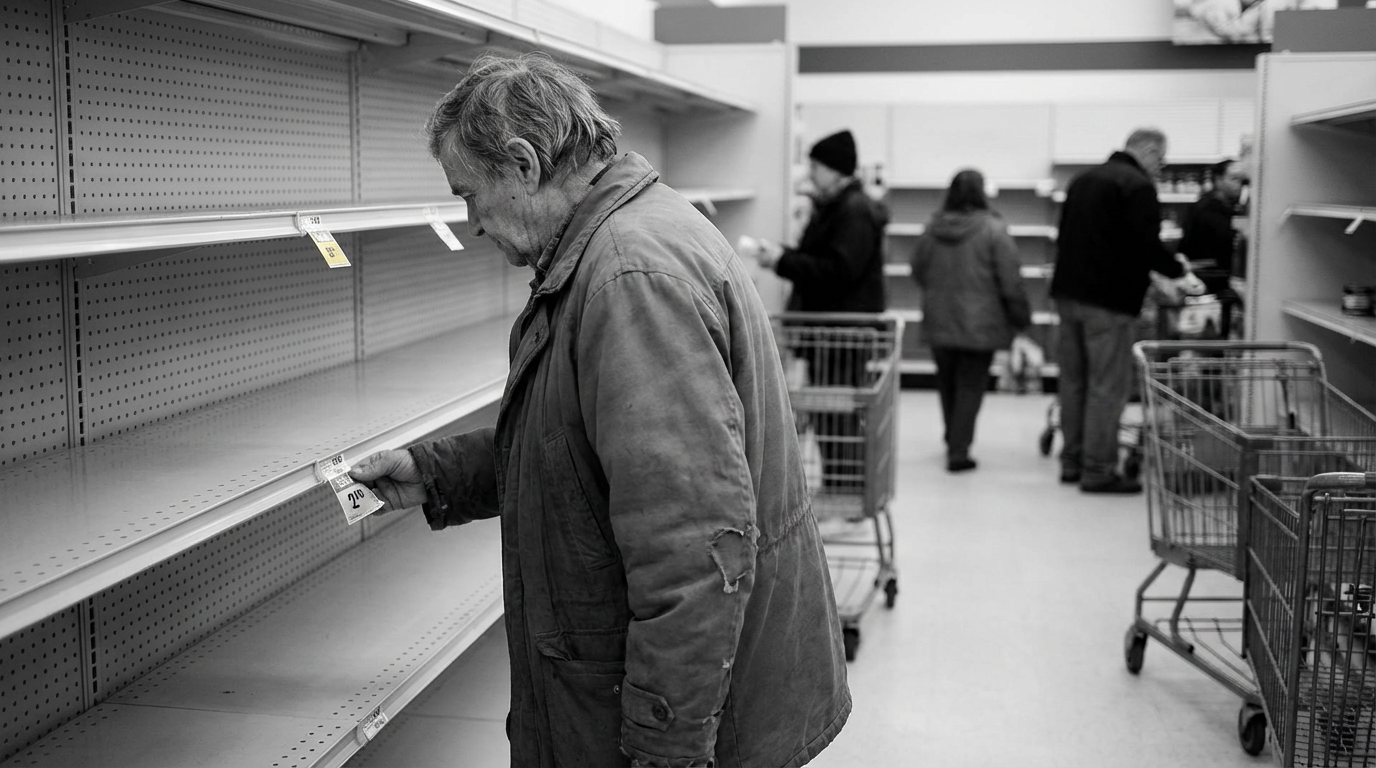
Inflation and affordability emerge in the survey as central themes shaping voter attitudes. The poll describes economic anxieties as a key driver of the decline in approval, suggesting that day-to-day financial strain is weighing on evaluations of economic management. The findings highlight that economic issues are becoming more decisive for voters as sentiment evolves.
In political terms, the poll’s results suggest a potential vulnerability for Trump tied to economic perceptions. The survey points to the likelihood that upcoming political campaigns will need to address cost-of-living concerns to build and maintain public support. It also signals that candidates may face heightened scrutiny over how they explain economic conditions and propose responses to inflation and affordability pressures.
S. politics, shifts in American voter sentiment on inflation and living costs can matter internationally because the United States plays a central role in global demand, financial conditions, and policy signaling. The poll does not quantify how much approval changed, and it does not specify the size of the shift in confidence, leaving uncertainty about the magnitude of the movement.
Still, the April 2026 survey adds to the picture of an electorate focused on prices and household budgets, with economic confidence shaping political narratives and campaign priorities.