Trump and Xi Agree Strait of Hormuz Must Stay Open
U.S. and Chinese leaders discussed the Strait of Hormuz's closure, emphasizing open energy flow amid ongoing regional tensions and maritime incidents.
Lauren Collins ·
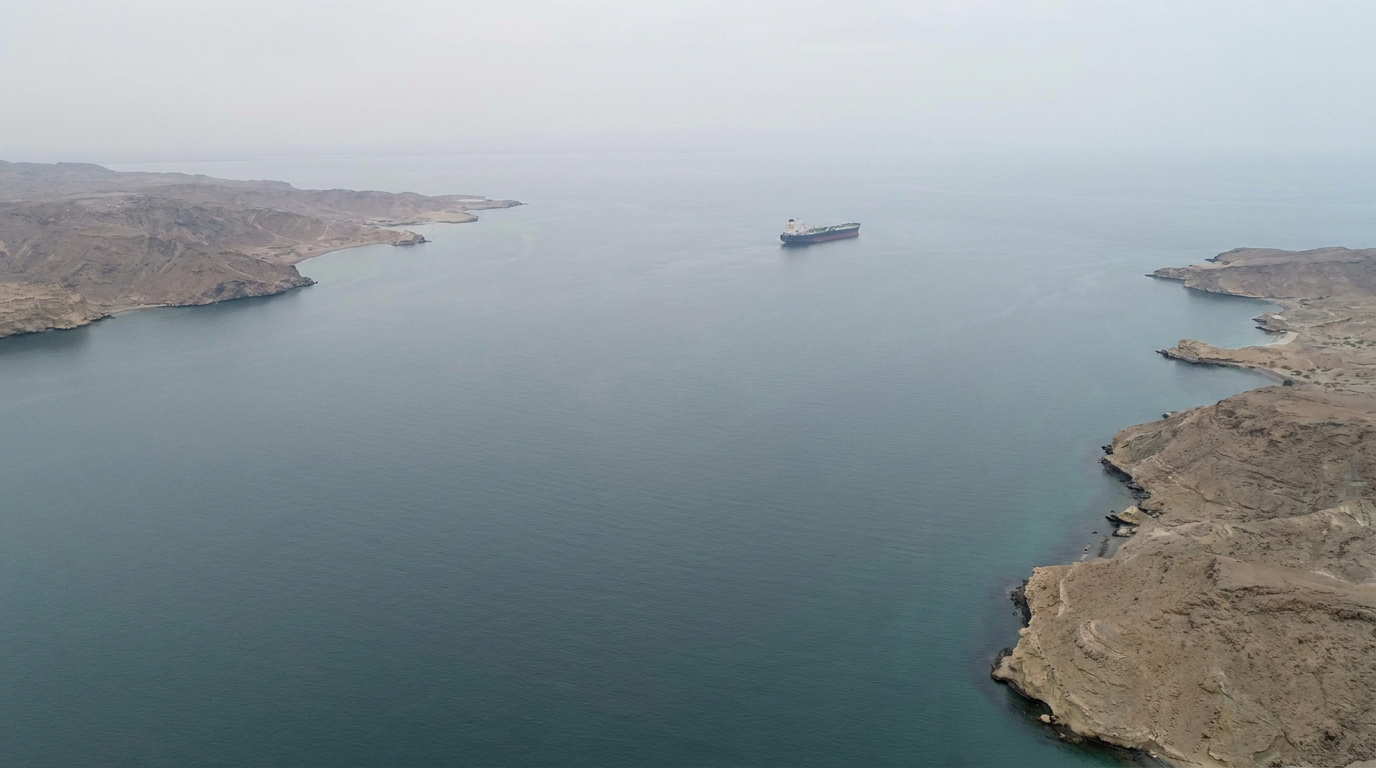
U.S. President Donald Trump and Chinese President Xi Jinping discussed the Strait of Hormuz on Thursday, May 14, 2026, as negotiations to reopen the waterway remained stalled and global energy supplies faced disruption.
The White House said the two leaders agreed the strait “must remain open to support the free flow of energy.” It described the meeting as “good.”
Xi also reiterated China’s opposition to the militarisation of the strait and to any effort to charge a toll for its use, according to the White House account.
In separate comments, U.S. Treasury Secretary Scott Bessent said he believed Beijing would support efforts to open the waterway because it was “very much in their interest.”
Limited transits continue under special agreements
Iran has largely closed the strait since the U.S.-Israeli war on Iran began at the end of February, according to the source, disrupting energy flows and leaving many oil tankers unable to pass. Under special agreements, Iran has allowed some carriers to transit.
A Chinese tanker sailed through the strait on Wednesday, according to shipping data cited in the source. Iran’s Fars News Agency also reported an agreement to allow some Chinese ships to pass.
Iran’s state broadcaster IRIB said about 30 vessels had transited since Wednesday evening. The reporting did not specify how long such arrangements would remain in place or what conditions would apply to other carriers.
US enforcement actions and rising maritime risks
The U.S. Central Command (CENTCOM) said it had redirected 70 commercial vessels and disabled four others as part of what it described as enforcement of Trump’s blockade on ships traveling to or from Iranian ports through the Strait of Hormuz.
Maritime security risks also intensified. A vessel anchored off the United Arab Emirates was seized and taken toward Iran, and an Indian-flagged wooden cargo vessel was attacked and sank in Omani waters after a fire from a suspected drone or missile strike, according to authorities cited in the source. India’s shipping ministry said all 14 crew were rescued by the Omani coast guard.
Iran’s judiciary spokesperson, Asghar Jahangir, said the capture of “US tankers” violating Iran’s regulations was being carried out under domestic and international law. Iranian officials have also outlined a proposed mechanism requiring vessels to submit cargo details, ownership information, destination and route plans, and transit timing to what Iran calls the “Persian Gulf Strait Authority” for approval before transiting.
Diplomatic talks aimed at opening the strait and ending the conflict remained stalled, and officials did not provide a timeline for resuming normal shipping through the waterway.