Trump Claims Veto Power Over Iran's Next Leader
Donald Trump claimed U.S. approval is needed for Iran's next Supreme Leader amid escalating conflict and rising casualties.
Lauren Collins ·
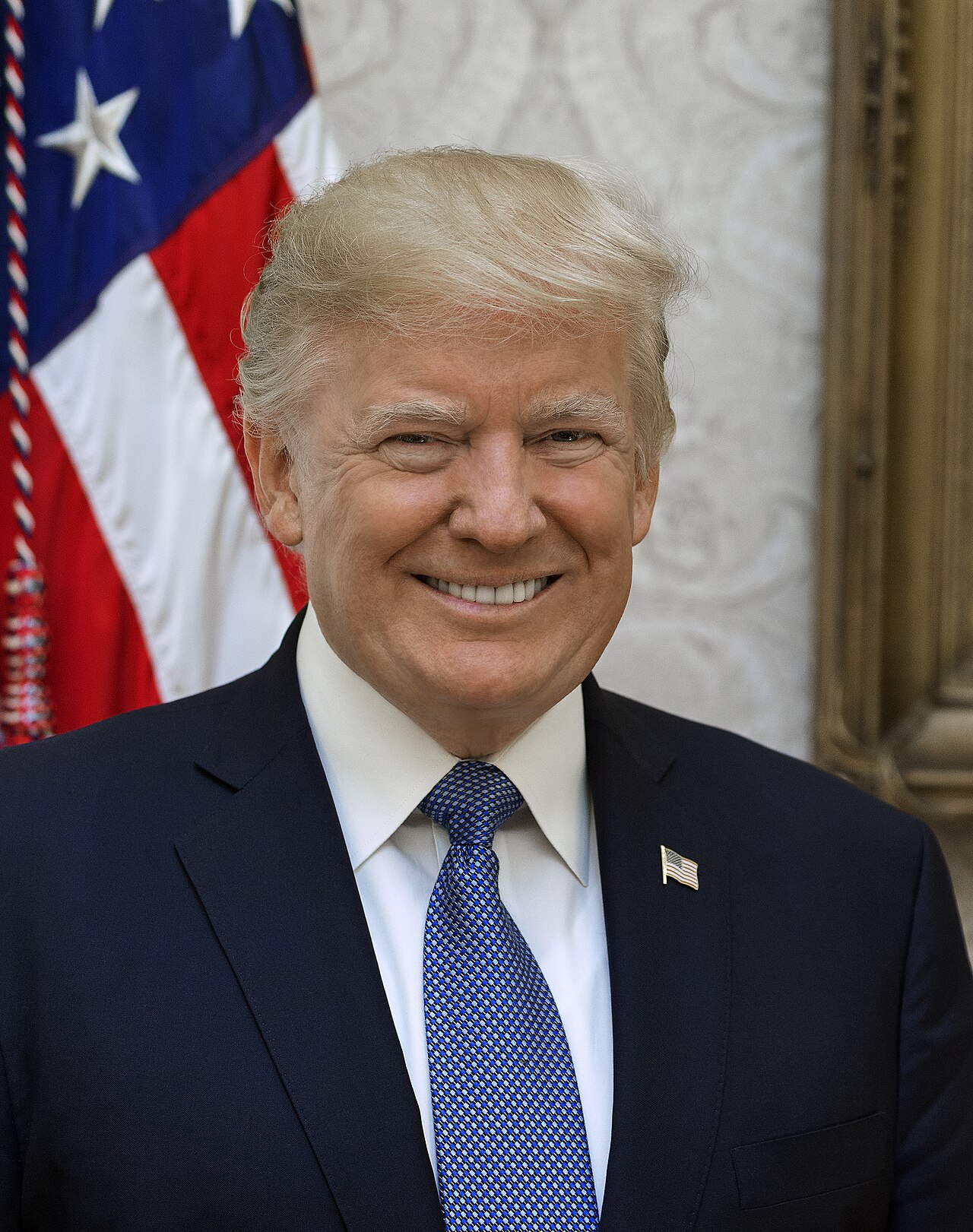
Former U.S. President Donald Trump asserted on March 8, 2026, that any future Supreme Leader of Iran would require American endorsement to maintain their position. This declaration followed the death of Ayatollah Ali Khamenei on February 28, 2026, and occurred amidst ongoing military engagements between the United States, Israel, and Iran.
Trump indicated that a leader not sanctioned by Washington would face a short tenure, aiming to preclude future U.S. interventions. This statement was made as the conflict, which commenced on February 28, entered its ninth day, with significant casualties reported across the region.
Iranian Response to U.S. Stance
Iranian officials, including Foreign Minister Abbas Aragchi, promptly dismissed the U.S. assertion as interference in their internal affairs. Aragchi emphasized that the selection of a new Supreme Leader is an exclusive prerogative of the Iranian Assembly of Experts, underscoring national sovereignty in the process.
Escalating Regional Conflict
The military operations, initiated by the U.S. and Israel, have expanded to target Iranian oil infrastructure, including storage and refining facilities. In retaliation, Iran has launched its own strikes, notably a drone attack on a desalination plant in Bahrain, signaling a broadening of the conflict's scope.
Casualties and Economic Concerns
The conflict has resulted in a substantial loss of life. Reports indicate 1,332 fatalities in Iran, 11 in the Gulf region, 11 in Israel, and six U.S. military personnel. The escalating hostilities have also triggered concerns regarding global energy markets, particularly potential increases in oil and gas prices.
U.S. Economic Outlook and Mitigating Factors
Despite rising energy price concerns, Trump administration officials, including White House spokesperson Karoline Leavitt and Energy Secretary Chris Wright, characterized the economic impact as a temporary disruption. They cited the availability of Venezuela's oil production capacity and the U.S. Strategic Petroleum Reserve as mechanisms to stabilize global energy supplies and mitigate long-term economic repercussions.
Diplomatic Efforts and Regional Instability
Prior to the current escalation, indirect nuclear negotiations between the U.S. and Iran were reportedly making progress, as noted by Oman's Foreign Minister Badr Albusaidi. Albusaidi warned that the recent military developments represent a critical and dangerous turning point for regional stability, highlighting the fragility of diplomatic efforts in the face of renewed conflict.
Implications
Country Impact: The U.S. declaration risks further exacerbating tensions with Iran, potentially undermining any future diplomatic resolutions and solidifying hardline positions within the Iranian leadership. For regional states, the expanded conflict raises concerns about stability and potential spillover effects.
Industry Impact: The targeting of Iranian oil facilities and retaliatory strikes could disrupt global energy markets, leading to increased volatility in oil and gas prices. This may prompt energy-intensive industries to seek alternative supply chains or face higher operational costs.
Market Impact: Global financial markets are likely to react to the heightened geopolitical risk, potentially leading to a flight to safety in assets like gold and government bonds. Equity markets, particularly those sensitive to energy prices, could experience downward pressure, while commodity markets may see upward price movements.