Trump threatens Iran infrastructure strikes on Tuesday
Trump threatens Iran infrastructure strikes on Tuesday, citing power plants and bridges in a Truth Social post amid rising U.S.-Iran tensions.
Lauren Collins ·
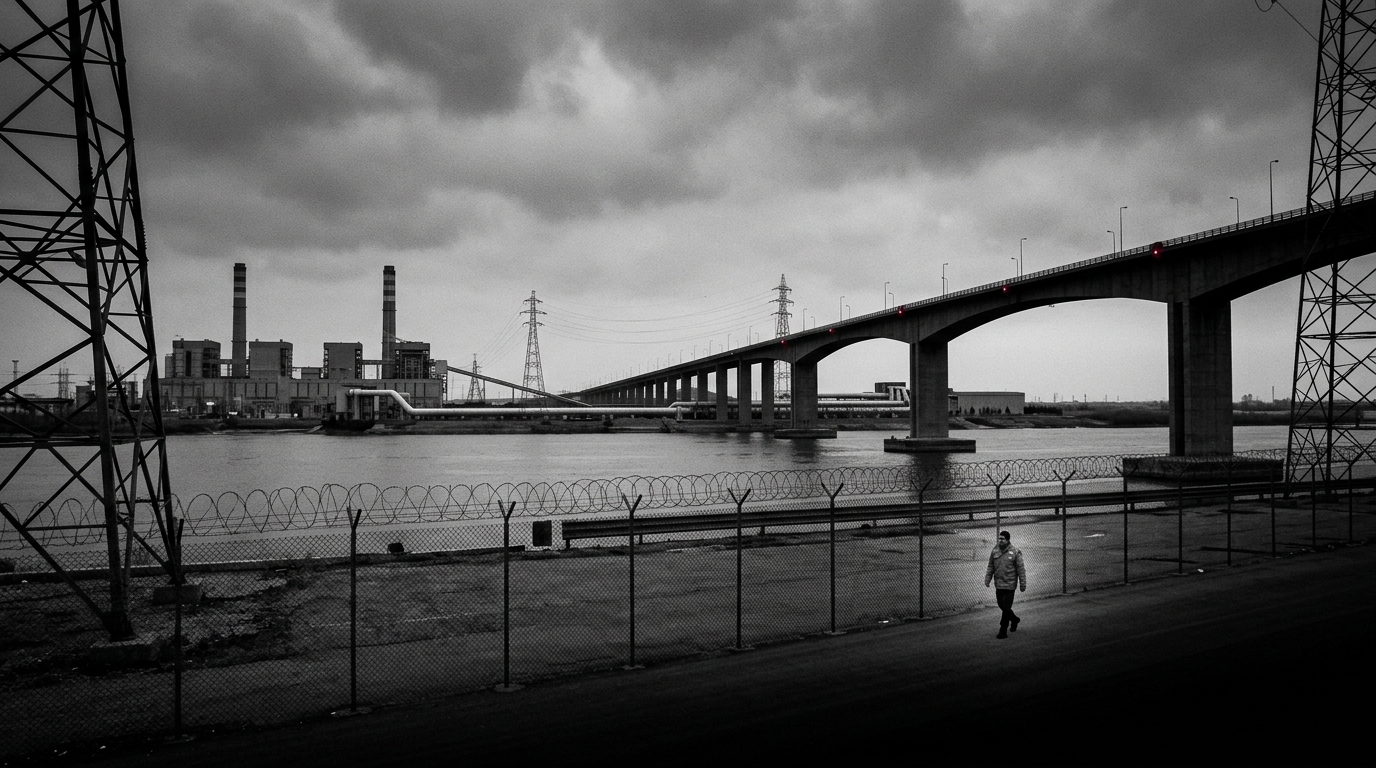
U.S. President Donald Trump said on Sunday, April 5, that the United States plans to target Iranian infrastructure on Tuesday, according to a post he made on Truth Social. In that message, he wrote: “Tuesday will be Power Plant Day, and Bridge Day, all wrapped up in one, in Iran.” The statement did not include operational details, and no additional information was provided on the scale, timing, or method of any potential action.
The announcement comes as tensions between the United States and Iran are described as escalating. The threat to strike critical infrastructure—specifically power plants and bridges—signals a possible intensification in the broader U.S.-Iran conflict referenced in the source material. The post framed Tuesday as a focused day for attacks on energy and transport-related assets, but it did not clarify whether the targets would be limited to those categories or how such strikes would be carried out.
Officials did not provide further specifics in the material provided, leaving key uncertainties unresolved, including whether any action will occur as described and what rules of engagement or objectives would apply. The lack of detail also leaves open questions about potential coordination, the geographic scope inside Iran, and how any operation would be communicated publicly if it proceeds.
The development is set against what the source describes as heightened U.S.-Israeli pressure on Iran. The same context references recent reports of a U.S. airman being extracted from Iran, alongside Iranian claims that it destroyed “enemy aircraft” during a U.S. pilot rescue mission. Those references underscore the broader security backdrop in which Trump’s statement was made, though the source material does not provide additional verification or operational detail about those events.
From an economic and services standpoint, the source notes that strikes on power plants and bridges could disrupt national services and Iran’s economy by affecting energy supply and transportation networks. Such disruptions, if they occur, could have knock-on effects beyond Iran’s borders by adding to regional instability in the Middle East, a region central to global energy flows and international security considerations.
What remains unknown is whether the threatened action will be executed on Tuesday, what the intended scope would be, and how Iran might respond. The source material frames the situation as potentially destabilizing for the region, with implications for international security and energy markets, but it does not provide further evidence or official confirmation beyond Trump’s post.