Trump Picks Saphier as Surgeon General Nominee; Means Effort Collapses in Senate
Ayla Demirhan ·
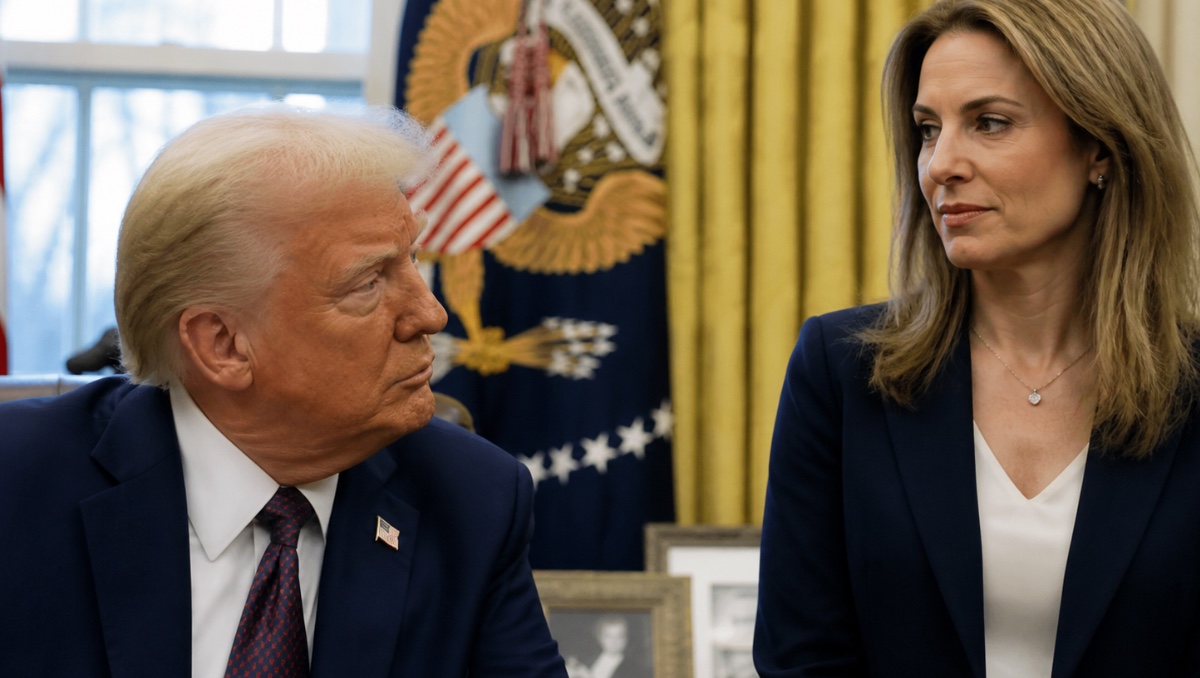
Donald Trump on Thursday said he will nominate radiologist and Fox News contributor Dr. Nicole Saphier as surgeon general, replacing his earlier choice after it ran into political resistance. The announcement came via social media, where he described Saphier as a leading physician in breast cancer care. The move resets a high-profile health appointment that had stalled in the Senate.
Means nomination loses momentum The decision follows the collapse of Dr. Casey Means’ path to confirmation, which faltered amid scrutiny from lawmakers. Concerns centered on her professional experience and her views on vaccines, both of which became sticking points during Senate consideration. The administration’s shift suggests those issues had become difficult to overcome in the current political environment.
Profile: breast cancer specialist and commentator Saphier is known both for her clinical work and her media presence, particularly as a contributor on Fox News. Trump highlighted her role in guiding women through breast cancer diagnosis and treatment, positioning her as both a practitioner and public communicator. Her dual profile could shape how the administration approaches public health messaging.
RFK Jr. aligns with nomination Health Secretary Robert F. Kennedy Jr. publicly supported the choice, calling Saphier a longtime advocate of the “Make America Healthy Again” movement. His endorsement signals alignment within the administration’s health leadership, particularly on broader efforts tied to that initiative. The backing may help consolidate internal support even as external scrutiny continues.
Past divergence on Trump health claims Despite the endorsement, Saphier has not always mirrored Trump’s views on health issues. In a September interview with The Associated Press, she criticized his warnings about pregnant women using Tylenol as overly simplistic and “patronizing.” That instance points to occasional independence in her public positions, especially on medical guidance.
Implications for health messaging strategy Saphier’s selection reflects a broader emphasis on communicators who can operate across clinical and media spaces. Her experience on television could make her a central figure in translating policy into public-facing guidance. At the same time, the administration’s earlier difficulties underscore how nominations can become flashpoints for wider debates over science and policy.
Confirmation risks remain in Senate The nomination now moves to the Senate, where questions about qualifications and policy positions could resurface. Lawmakers may examine both her clinical background and prior public statements as part of the confirmation process. Whether she can avoid the hurdles that stalled her predecessor remains uncertain, particularly given the politically charged environment around public health leadership.