Trump China visit yields trade deals, Hormuz progress now
Trump China visit ended with announced trade deals and reported Chinese support to reopen the Strait of Hormuz amid efforts to address the Iran conflict.
Lauren Collins ·
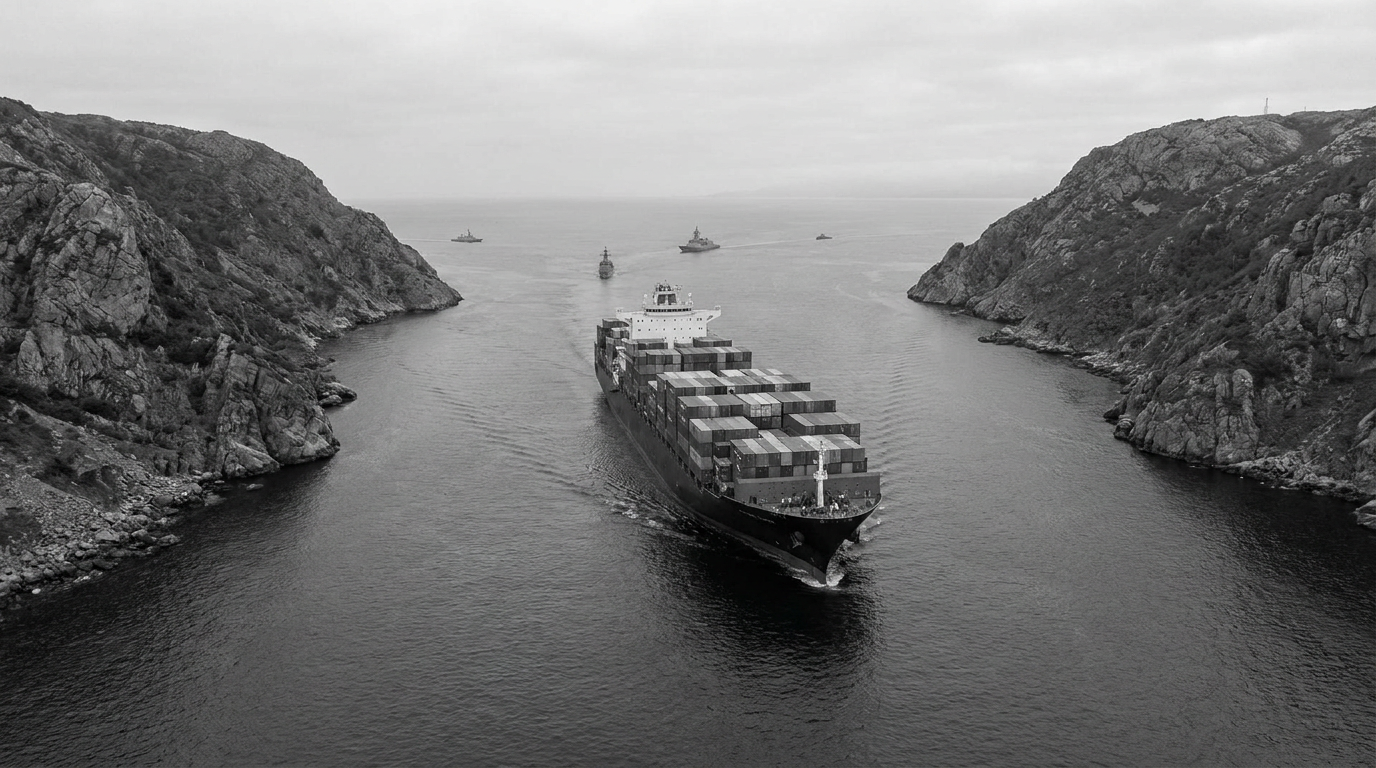
Trump China visit ended with announced trade deals and reported Chinese support to reopen the Strait of Hormuz amid efforts to address the Iran conflict.
President Donald Trump concluded a two-day summit with Chinese President Xi Jinping in Beijing on May 15, 2026, declaring the talks productive on both economic and security fronts. He said bilateral trade arrangements were reached and that Beijing had signaled a willingness to help reopen the strategic Strait of Hormuz, though officials provided few mechanics or timelines.
Trade accords and economic signal
Trump described the commercial agreements as highly favorable to both sides, calling them a major outcome of the visit. A U.S. delegation that included business leaders accompanied the president, indicating a focus on tangible commercial openings as well as diplomatic rapprochement.
Administration officials have not released the texts of the deals, leaving analysts to assess impact from the broad assurances given in Beijing. Market watchers will look for tariff adjustments, investment clauses and intellectual property provisions when formal documents are published.
Strait of Hormuz and Iran alignment
Both leaders addressed the status of the Strait of Hormuz, a vital channel for global oil and shipping, with Beijing’s foreign ministry urging its reopening to protect supply chains. China’s statement also called for a diplomatic resolution to the war that began on February 28, 2026, an appeal echoed in public comments by Trump after the summit.
Trump said he and Xi share similar views on Iran and suggested Beijing might assist in negotiations; specifics were not offered. The U.S. and its partners will need to clarify the scope of any Chinese role, whether diplomatic mediation, logistical support or guarantees for maritime security.
Diplomatic trajectory and next steps
Xi is scheduled to visit the United States in September, a trip that Washington and Beijing framed as part of a resumed high-level engagement. The May talks may set the agenda for that visit, but implementation will require follow-up working groups and verification mechanisms.
Observers note several immediate questions: the legal and operational framework for reopening the Hormuz corridor, enforcement of any security arrangements, and how the announced trade accords will reconcile with existing U.S. domestic trade policy. Congressional scrutiny and regional responses could shape outcomes before September.
In the near term, expect negotiators to move from declaratory statements to concrete texts and schedules. The summit signals a shift toward transactional cooperation on key economic and security matters, but the absence of public detail leaves the real-world effects dependent on the next phase of diplomacy and implementation.