

Topview Launches Hybrid AI Production Platform to Facilitate Mainstream Film Distribution
Topview has released a hybrid AI production platform designed to integrate live-action footage with generative tools, aiming to bridge the gap between…
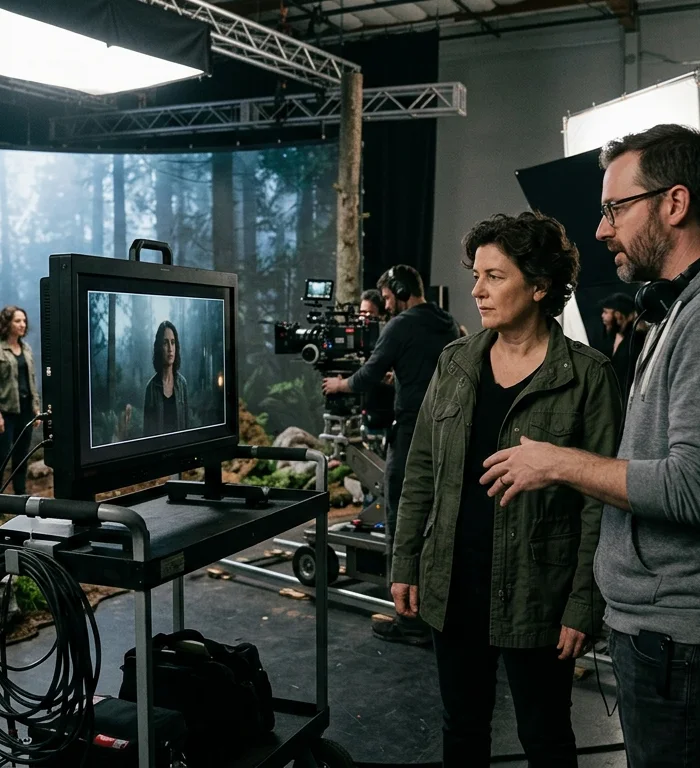
Topview has launched "Film Studio," a production platform designed to integrate live-action footage with AI-generated environments and visual effects. The platform provides tools for relighting footage, generating new camera angles from existing shots, and inserting AI-generated extras into live-action scenes. These features aim to maintain narrative and character consistency across long-form content, such as films and series, rather than limiting output to short-form clips.
The platform addresses a significant barrier to entry for AI-assisted content: mainstream distribution. By utilizing a hybrid model that retains human actors, the company intends to bypass the industry resistance often encountered by fully AI-generated films. This approach is intended to align AI-enhanced productions with the standards required for traditional Hollywood distribution channels and revenue models.
Technically, the platform offers automated green-screen replacement, environmental adjustments—such as modifying weather or time of day—and frame-level editing capabilities. These tools are intended to reduce the need for physical reshoots, potentially lowering production costs while maintaining the involvement of traditional crews and actors. The platform operates on a model that treats video as a layered, editable asset.
Film Studio
Topview, founded in 2024, reports a user base of five million, with approximately one million videos generated daily. The company secured $8.5 million in Series A funding in 2025 and has recently deployed its proprietary video model, Topview T1. The firm is positioning itself as a key infrastructure provider for the emerging "micro-drama" sector, with upcoming industry events scheduled to further promote its hybrid production ecosystem.
Institutional stakeholders should monitor the adoption rate of this platform among independent and mid-tier production houses. The shift toward hybrid AI workflows may impact labor demand in post-production and visual effects sectors, while simultaneously lowering the capital expenditure required for high-quality cinematic storytelling. The success of this model will likely depend on its ability to satisfy the technical requirements of major distribution platforms and the evolving legal standards regarding AI-generated content in commercial media.
More stories
- Europe faces attribution gap after 16 cyber, physical incidents
- PIF backs Grand Theft Auto as Saudi players embrace game
- Signal limits screenshots to curb AI access to messages
- Cognition runs Devin Mac workspaces on EC2 in 6 AWS regions
- Salesforce engineers cut 600-failure triage to 90 minutes
- Türkiye Desk: GTA 6 puts console access and network demand in focus
- The Signal: BioWare reportedly closes after 31 years
- Grok picks Republicans in 92% of forced API election prompts
Latest news
- Trump prepares tariffs on China and other major exporters
- New-car buyers pay record average $50,087 in October
- Banks face ECB reserve debate over liquidity and profits
- Investors see Anthropic debut gains fade below $83 a share
- Iraq orders federal control over Kurdish-area oilfields
- Germans oppose Ukraine aid as poll shows support slipping
- Kim Jong-un receives 10 envoys after constitutional shift
- Ukraine claims Libya strike sinks Russian naval corvette