US Homebuilders Turn to China for Cheaper Materials
US homebuilders are importing Chinese materials to offset higher costs, as U.S. construction inputs rose 3% year on year.
Atlas Newsdesk ·
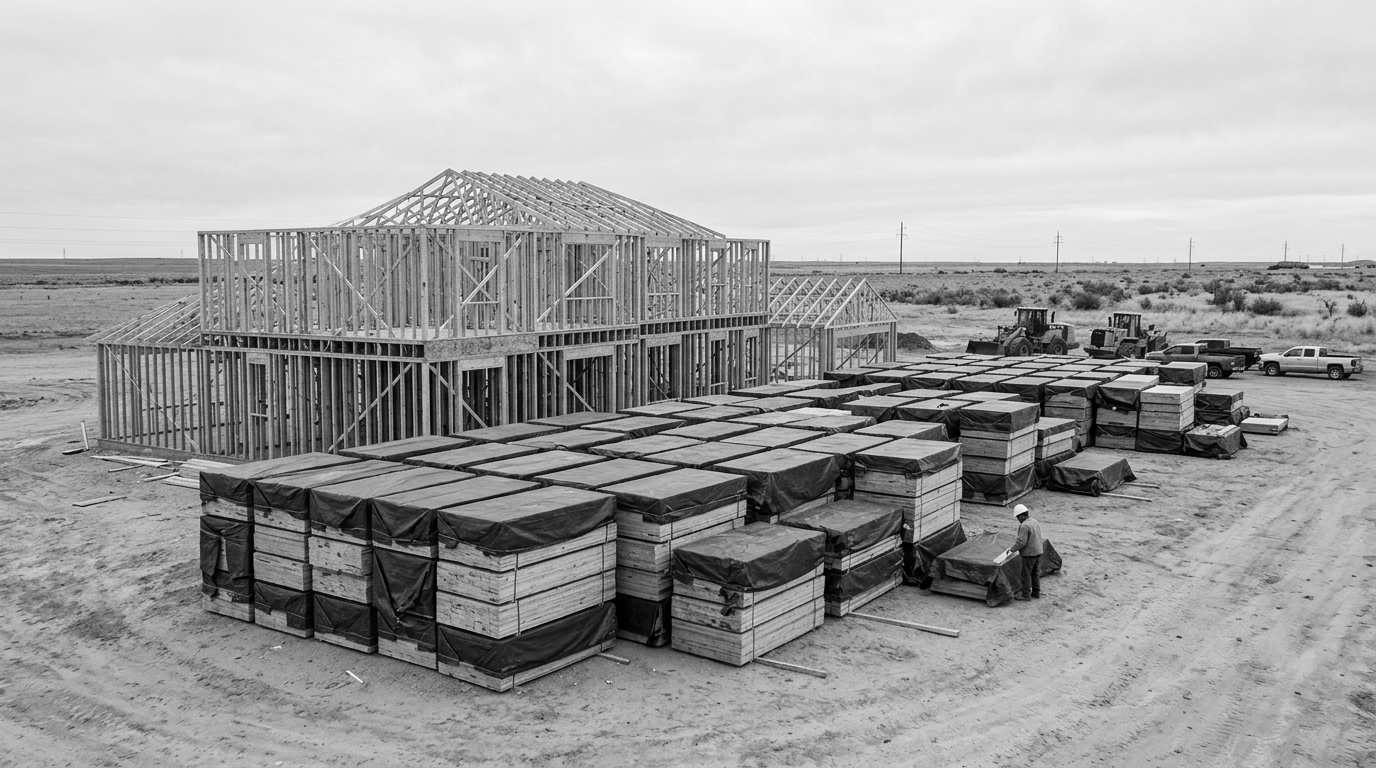
Americans are increasingly ordering home construction materials directly from China as they try to manage higher building costs in the United States, a shift that was being observed as of April 2026. The approach involves purchasing fixtures and other components from Chinese manufacturers and, in some cases, bypassing traditional U.S. supply channels.
One example cited is Gennadiy Tsygan in Baltimore, Maryland, who sourced materials from China for a home build. Tsygan said the strategy helped him reduce overall costs by as much as $100,000, even after paying shipping expenses that averaged $13,000 per container.
The move comes as domestic construction inputs have become more expensive. The Association of Home Builders reported that U.S. home construction material costs rose 3% from the previous year. Against that backdrop, some homeowners are looking beyond local distributors and retailers in search of lower-priced alternatives.
Trade data referenced in the material shows that 27% of U.S. construction materials originated from China in 2023. While Chinese-made products are already embedded in the supply chain, the notable change described here is the decision by some homeowners to import directly rather than rely on U.S.-based intermediaries.
Direct importing can introduce additional complications that are not always present when buying through domestic suppliers. The risks highlighted include tariff uncertainty, the need for specialized labor to install unfamiliar products, language barriers when dealing with overseas vendors, and delivery delays that can disrupt construction timelines.
Even with those hurdles, interest appears to be growing, supported by online activity. Social media platforms have become a venue where homeowners discuss the process, share vendor lists, and compare experiences related to importing Chinese materials for renovations and new builds.
For global markets and politics, the trend underscores how household-level decisions can intersect with trade policy and logistics. The overall cost equation for buyers can shift quickly if tariffs change or shipping conditions tighten, and the reliance on cross-border sourcing links U.S. housing-related spending more directly to manufacturing and freight dynamics tied to China.
Key uncertainties remain for consumers considering this route, including how reliably deliveries arrive, how installation challenges affect final costs, and how tariff changes could alter savings. For now, the reported motivation is straightforward: some homeowners believe direct imports can reduce expenses compared with purchasing the same categories of materials through U.S. channels.