US Aid Cuts Linked to Zambia's Rising HIV Cases
Zambia reports more advanced HIV cases in early 2026 after U.S. HIV assistance cuts; an April 30 deadline looms for a new deal.
Ayla Demirhan ·
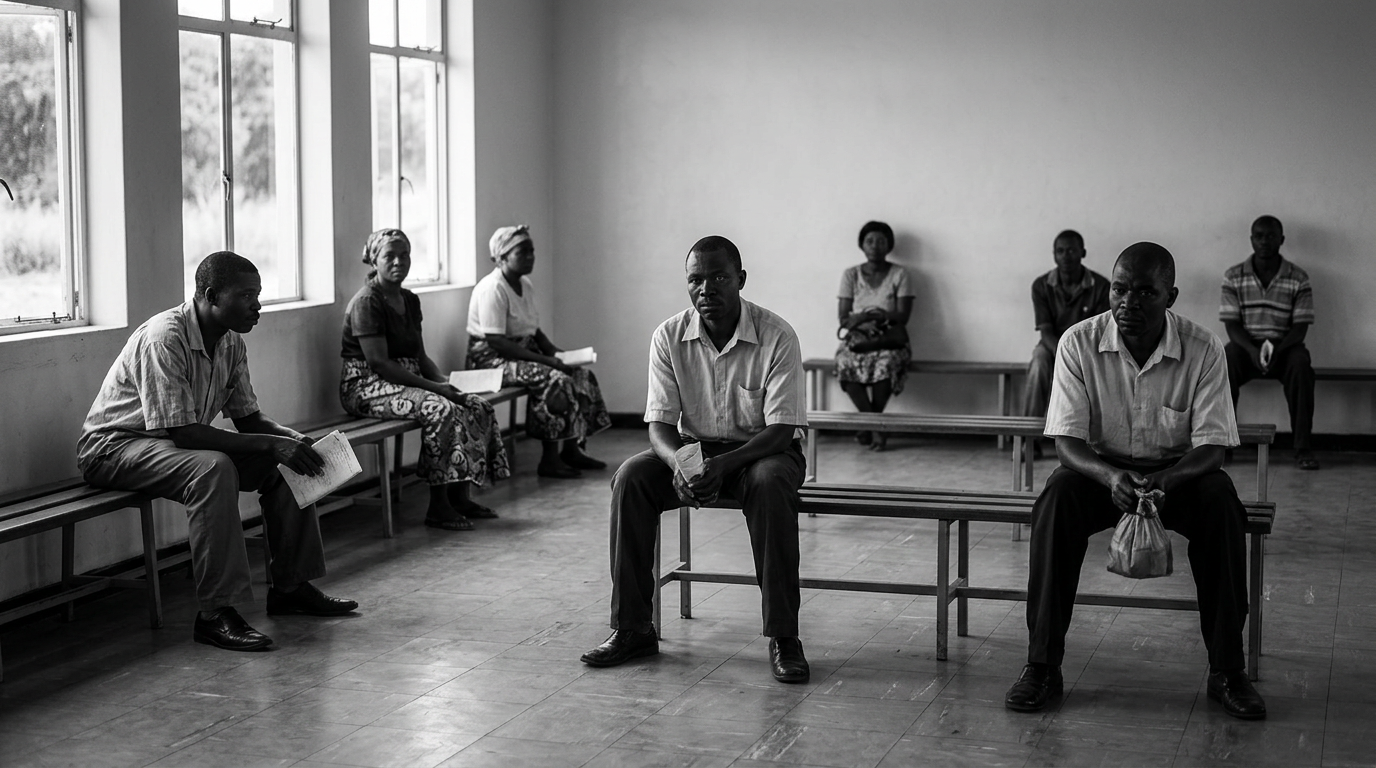
Zambia is reporting a rise in advanced HIV cases in early 2026, with health workers in places such as Mpongwe describing a noticeable increase in patients arriving with late-stage illness. The trend is being cited as a setback after years of progress against the epidemic, including a period in which life expectancy increased from 37 to 67 years.
Officials and local health staff have linked the resurgence to major reductions in U.S. HIV support over the past year, following a restructuring and subsequent funding cuts to the President's Emergency Plan for AIDS Relief (PEPFAR) under the Trump administration. Advanced HIV cases are being associated with opportunistic infections, including tuberculosis, which clinicians often see when people have gone without timely testing or treatment.
The Zambian government has continued distributing antiretroviral medicines to about 1.3 million people, according to the information provided. However, key prevention work and HIV testing programs were largely halted after the U.S. reductions, leaving fewer pathways to identify infections early and connect patients to care before their condition deteriorates.
Mpongwe was cited as an example of the shift. The area recorded 28 new advanced HIV cases in January 2026, compared with one or two cases per month around a year earlier. Health workers described this as a sharp change in the pattern of severe presentations, consistent with reduced testing and prevention coverage.
The initial U.S. cuts also led to the sudden shutdown of many local organizations that had been delivering PEPFAR-supported services, particularly in northern Zambia. That region was described as having high HIV prevalence, and the closures were presented as a direct disruption to community-level prevention and testing activities that had complemented government-run treatment distribution.
Separately, the U.S. administration has set an April 30 deadline for Zambia to accept a new health funding agreement. The proposed arrangement was reported to be connected to expanded U.S. access to Zambia’s mineral resources. Officials warned that if Zambia does not sign, U.S. HIV assistance could stop entirely, and Zambian health officials said such an outcome would be catastrophic.
The situation leaves several uncertainties, including how quickly prevention and testing services could be restored and whether the April 30 deadline results in continued support or a full cutoff. For now, health officials are pointing to the rise in advanced cases as an early indicator that reduced external funding can quickly translate into more severe illness, with implications for public health capacity and continuity of care.
Implications
Country Impact: undefined
Industry Impact: undefined
Market Impact: undefined