

China's Economy Exceeds Q1 Expectations
China economy grew 5% in Q1 2026, beating forecasts despite energy-market disruptions tied to a conflict involving the US, Israel and Iran.
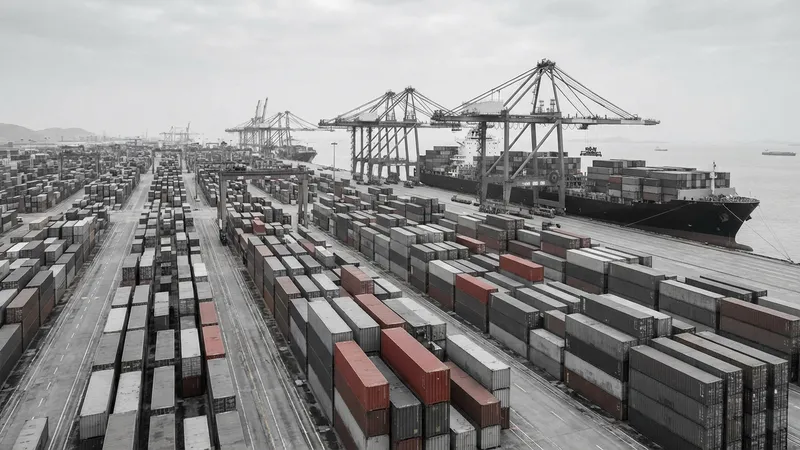
China’s economy expanded by 5% in the first quarter of 2026, exceeding initial forecasts , according to the information provided. The stronger-than-expected result was reported even as global energy markets faced disruptions linked to a conflict involving the United States, Israel, and Iran. The quarter’s performance was presented as a sign of resilience amid geopolitical tensions that have affected energy flows.
The growth figure arrives at a time when energy-related uncertainty has been a prominent external risk for major economies. The source material attributes recent disruptions in global energy markets to the conflict involving the United States, Israel, and Iran, and notes that these conditions formed part of the backdrop for China’s first-quarter outcome. Against that setting, the 5% expansion was described as outpacing expectations.
At the same time, the source material emphasizes that structural pressures inside China’s economy remain. It points to weak domestic consumption as a continuing constraint, indicating that household demand has not provided a strong counterweight to other growth drivers. It also highlights ongoing difficulties in the property sector, an area that has been a persistent challenge for broader economic confidence and activity.
Beyond near-term demand and real estate issues, the source material identifies demographics as a longer-run headwind. A shrinking population is described as a factor that could weigh on future growth potential, reflecting the way labor supply and consumer base dynamics can influence an economy’s trajectory over time. These elements are presented as underlying challenges that coexist with the stronger first-quarter headline number.
Beijing is responding by stepping up investment in high-tech industries and green energy , according to the source material. The stated approach is aimed at strengthening economic stability and improving the country’s ability to withstand external shocks, including those tied to energy-market volatility.
The source also states that China holds a dominant position in global supply chains connected to these sectors, framing the investment push as aligned with areas where China already has significant global reach.
For global markets and international politics, the combination of faster-than-expected growth and a policy tilt toward high-tech and green energy underscores how China is positioning itself during a period of geopolitical tension affecting energy flows. However, the source material does not quantify the scale of the investment increase, specify which technologies are prioritized, or detail how quickly domestic consumption and property-sector strains might ease.
Those uncertainties remain central to assessing how durable the first-quarter momentum will be.
More stories
- IRGC says tanker explodes near Hormuz mine route
- Take-Two faces $30 million GTA 6 leak threat
- TG Therapeutics leads Valneva on 12 of 14 measures
- Pune police detain 92 over election-roll protest
- Tesla takes 90% of output from Arizona solar project
- New Horizon posts $4.1 million Q1 loss as R&D rises
- EU energy measures target bills and clean transition
- White House Weighs Possible Dollar Lifeline for UAE as Iran War Strains Gulf Economy
- Global Regulators Simulate Bank Collapse in DC
- New US Tariff Refund System Launches April 20
Latest news
- Kingdom Hearts holds No. 1 on Switch 2 eShop chart
- Pakistan buys Azerbaijani drones as Armenia ties deepen
- Berlin health summit puts US pandemic strategy under congressional pressure
- US disables cargo ship in Iran blockade breach
- Ronaldo Ranks Third in Football's 1,000-Game Club
- Republicans Prepare Bill to Curb Trump Russia Deal
- Nollywood Star Urges Investment in Ghanaian Actor LilWin
- Marvels' Box Office Flop Still Pivotal for MCU's Future