Oil Dips Below $95 as Iran Tensions Cool
Oil prices held below $95 as investors weighed Iran conflict risks, an April 7 U.S.-Iran ceasefire, and inventory drawdowns.
Atlas Newsdesk ·
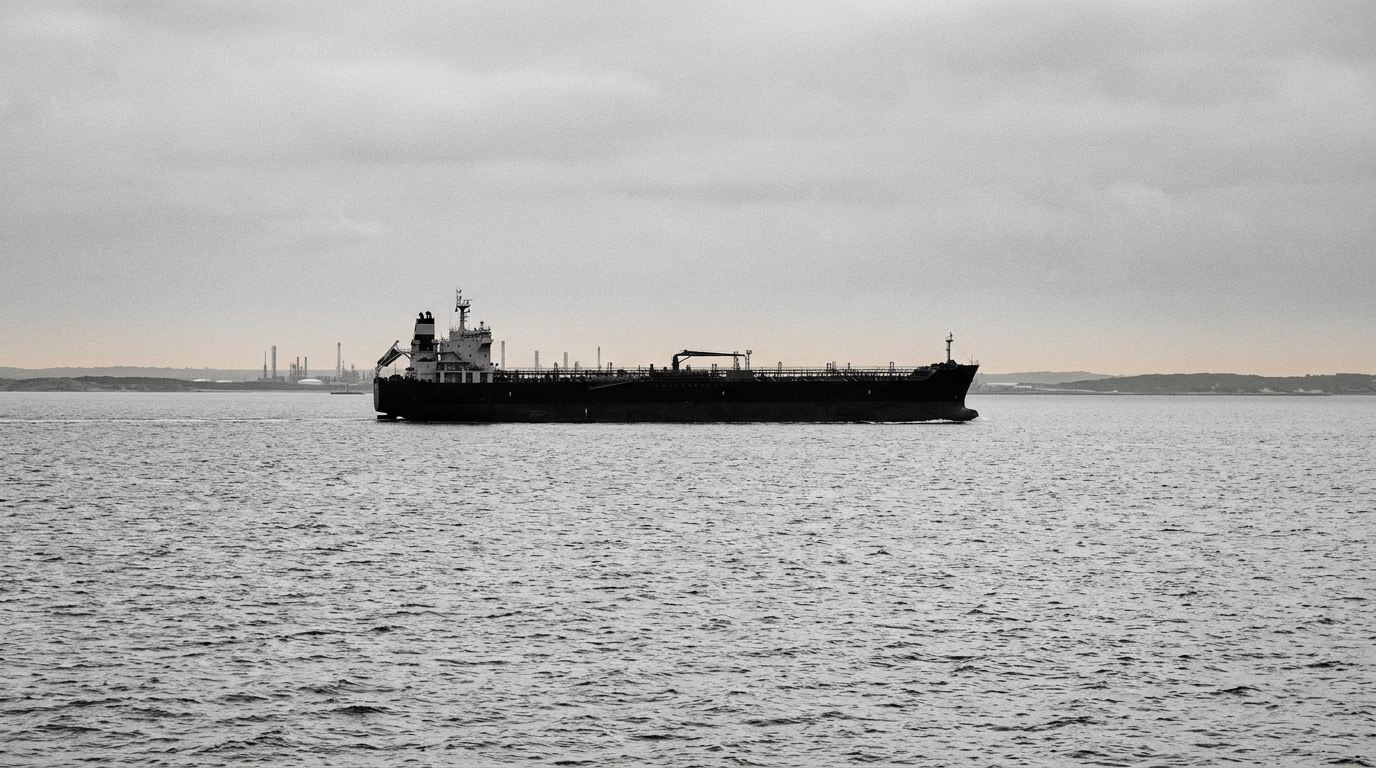
Global oil prices have stayed below earlier high-end expectations despite heightened geopolitical risk tied to conflict in Iran, with West Texas Intermediate (WTI) trading under $95 per barrel as of April 25, 2026 in New York. The market’s steadier tone has stood in contrast to prior projections, including former President Trump’s view that crude could reach $200 per barrel after the conflict began.
Recent pricing has instead reflected a more contained risk assessment and a market that has leaned on buffers already in place.
Goldman Sachs said the market’s resilience has been supported by three main forces: a smaller risk premium, strategic destocking, and softer spot-market buying. In practical terms, that combination points to less panic pricing, more reliance on inventories, and fewer urgent purchases at the front end of the market. Together, those dynamics have helped limit the kind of sharp upward move often associated with major Middle East disruptions.
Investor positioning has also been shaped by expectations that the Iran conflict will be resolved quickly. That view was reinforced by a temporary U.S.-Iran ceasefire announced on April 7, which was followed by an immediate drop in oil prices. Financial markets have continued to reflect a belief that political incentives—especially sensitivity around U.S. gasoline prices ahead of midterm elections—will push toward a settlement.
Another stabilizing element has been the presence of global oil surpluses that existed before the latest tensions, providing a cushion against sudden supply shocks. Countries and companies have been drawing down reserves, signaling confidence that flows will ultimately normalize. This behavior has been closely tied to expectations around the Strait of Hormuz, a key chokepoint that accounts for about 20% of global oil transit.
Demand-side conditions have also contributed to the muted price response. The global economy is described as less oil-dependent than in earlier periods, which has helped reduce the immediate macro sensitivity to disruptions. At the same time, refiners have moderated near-term spot purchases, in part because maintenance seasons have coincided with the current episode, lowering prompt buying needs and limiting upward pressure on prices.
Even with prices holding below the most extreme forecasts, the situation remains tied to fast-moving political and security developments. The durability of the ceasefire, the pace of any broader resolution, and the timing of normalized shipping through the Strait of Hormuz remain key unknowns for market participants. For now, the combination of reduced risk pricing, inventory drawdowns, and restrained spot demand has kept crude from matching earlier worst-case expectations.