Soaring Petrol Prices Drive European EV Boom
European EV interest rose across key markets after the conflict in Iran began in February, as petrol prices climbed and consumers sought lower costs.
Atlas Newsdesk ·
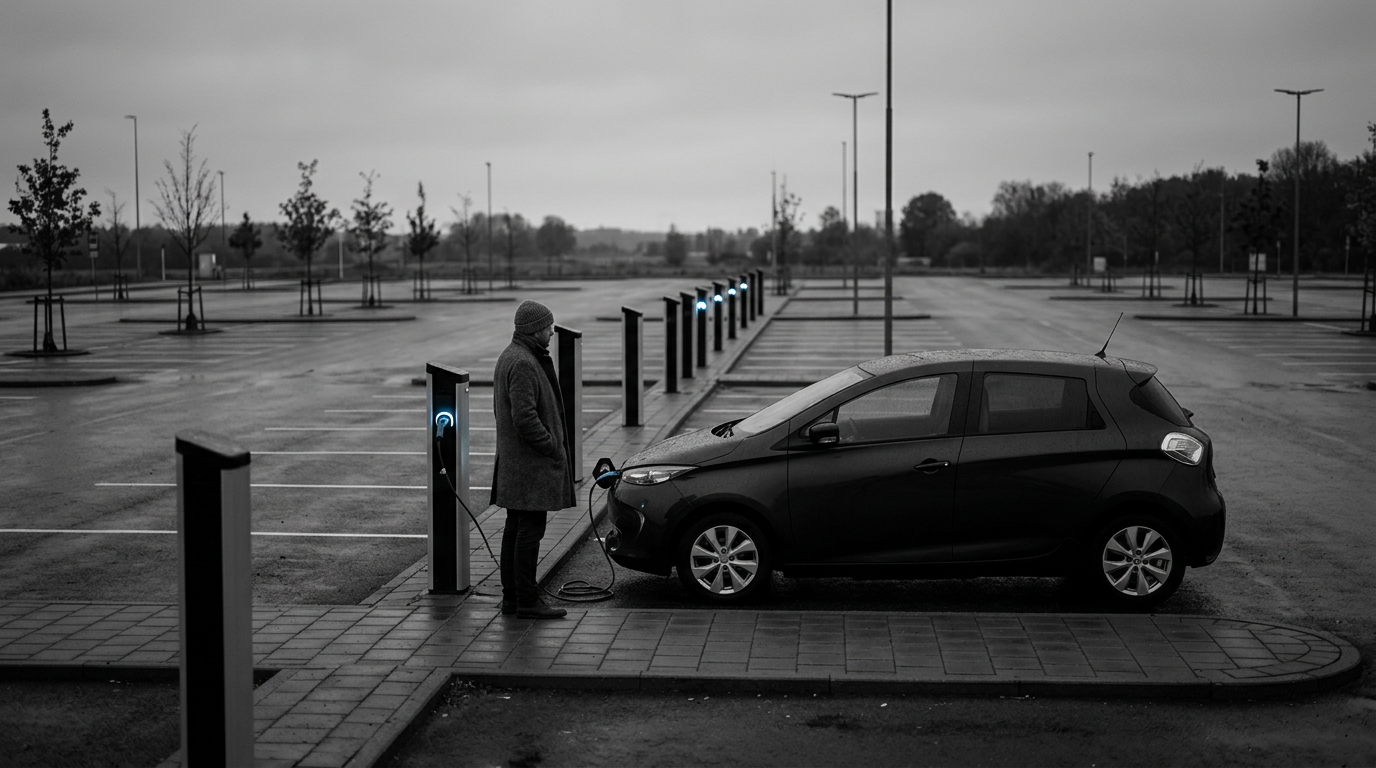
Interest in electric vehicles (EVs) rose sharply across several major European markets after the conflict in Iran began in February, as petrol prices climbed. Online car marketplaces in Germany, the UK, France, and Spain reported notable increases in EV inquiries and searches, pointing to a near-term shift in consumer attention toward vehicles with lower running costs.
In Germany, Mobile.de said inquiries for electric cars in March were up by more than 50% compared with February. Over the same period, the platform reported that interest in petrol and diesel vehicles fell. Mobile.de also identified Volkswagen’s ID.3 as the most popular battery electric vehicle among users during the surge in attention.
Carwow, which operates in the UK, Spain, and Germany, reported a rise in EV inquiries of 20% to 30% between February and March. The pattern across these markets was linked to the rapid increase in petrol prices following the start of the conflict, which drew renewed focus to the cost difference between fueling a conventional car and charging an EV.
In France, La Centrale reported an even larger jump in online activity, with electric vehicle searches increasing by 160% from early March to early April. Taken together, the data from these marketplaces suggests that price shocks in fuel can quickly influence what consumers research and consider, even before any purchase decision is made.
What it means: The reported increases highlight how energy-price volatility can ripple into the automotive market, particularly in countries where EVs are already a mainstream consideration. For automakers and dealers, higher inquiry volumes can translate into stronger near-term demand signals, while also putting pressure on inventory planning and pricing strategies for both EVs and internal-combustion models.
Industry experts cited in the source said some expect demand to settle at a new, higher baseline rather than returning to prior levels. At the same time, the durability of the shift remains uncertain and is described as something to watch, with outcomes tied to practical constraints such as charging infrastructure build-out and the pricing of EVs.
For policymakers and market participants, the episode underscores the link between geopolitical events, fuel costs, and consumer behavior in transport. The longer-term trajectory, however, is not presented as guaranteed, with the source emphasizing that sustained momentum depends on whether infrastructure and affordability keep pace with interest.