Strait of Hormuz Tensions Send Oil Prices Soaring
Hormuz Strait threats drove U.S. oil above $111 on April 3, 2026, lifting gasoline to $4.11 and underscoring global price linkages.
Atlas Newsdesk ·
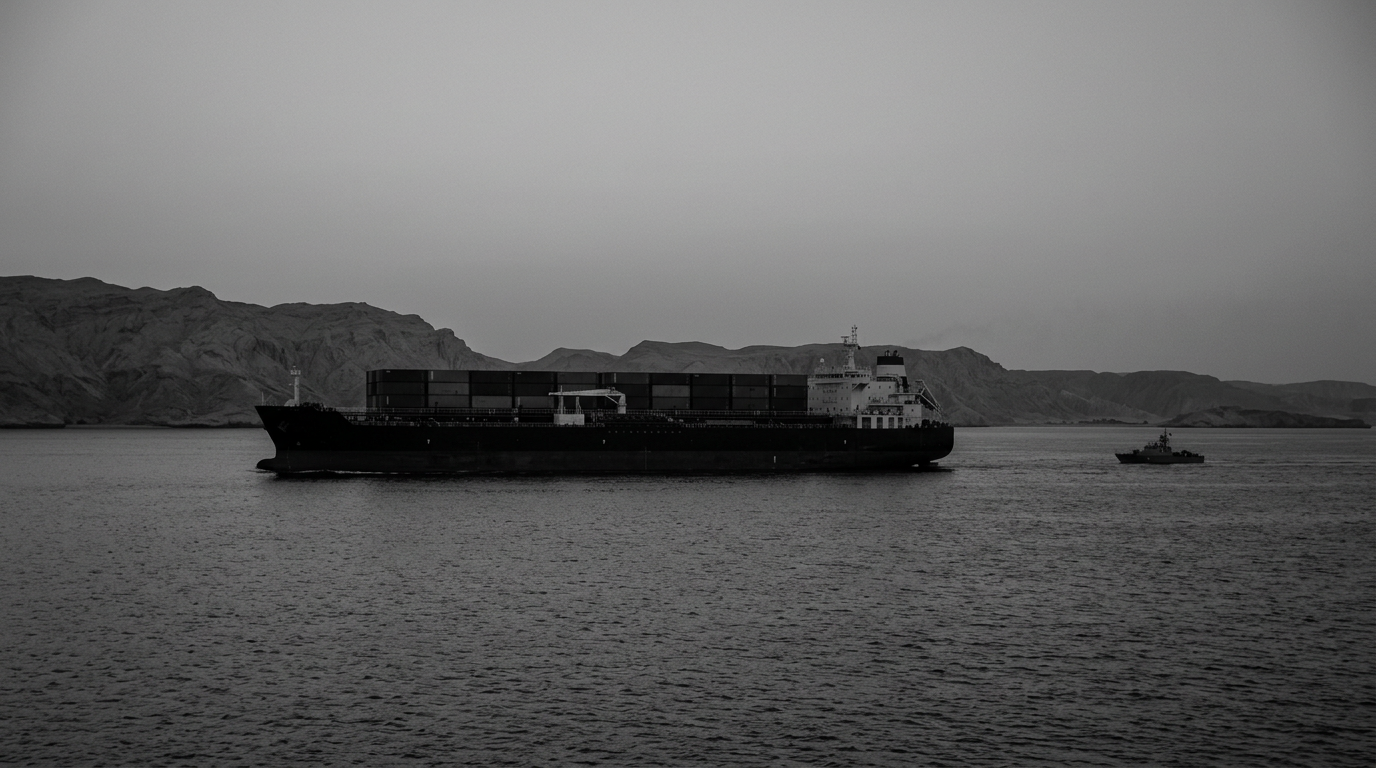
Global oil prices swung sharply after former U.S. President Donald Trump issued threats linked to the Strait of Hormuz, a key route for international crude shipments. Officials and market participants have long treated the strait as a major energy chokepoint because a large share of seaborne oil moves through it. The episode underscored how quickly geopolitical signals tied to critical transit corridors can ripple through energy markets worldwide.
On Thursday, April 3, 2026, U.S. oil prices jumped more than 11% and finished above $111 per barrel. The settlement marked a four-year high and ranked among the biggest one-day increases in recent history, according to the figures cited. The move came even as Trump initially argued that the United States does not depend on oil that transits the strait.
The Strait of Hormuz typically carries about 20% of the world’s oil supply, making it central to global pricing even for countries that import limited volumes through the passage. 5 million barrels out of 20 million barrels per day—yet the global nature of oil trading means a disruption in one region can lift prices everywhere. S. exposure.
Domestic production levels did not prevent the price shock from feeding into U.S. costs. The United States produces around 22 million barrels of oil per day, more than it consumes, but it still imports more than 6 million barrels daily to match refinery requirements for different crude grades. That mix of production, consumption, and specialized refining needs helps explain why global price swings can still translate into higher costs for U.S. consumers and businesses.
Those pressures were already visible in retail fuel prices. Average gasoline in the United States rose to $4.11 per gallon, according to the data cited, adding strain for households and firms. The increase was described as hitting middle- and lower-income consumers hardest and creating additional challenges for small businesses facing elevated operating expenses.
Beyond the United States, the episode highlighted the broader international sensitivity to tensions around major energy transit routes. Because oil is priced in a global market, shifts tied to the Strait of Hormuz can affect import costs, inflation dynamics, and budgeting for fuel-dependent sectors across multiple regions. What remains uncertain is how long the volatility persists and whether the threats translate into any sustained disruption to flows through the strait.