UK Solar Surges 50% Amidst Soaring Energy Costs
UK solar sales rose 50% in March 2024, Octopus Energy said, as Middle East conflict lifted wholesale fuel prices ahead of a July cap reset.
Atlas Newsdesk ·
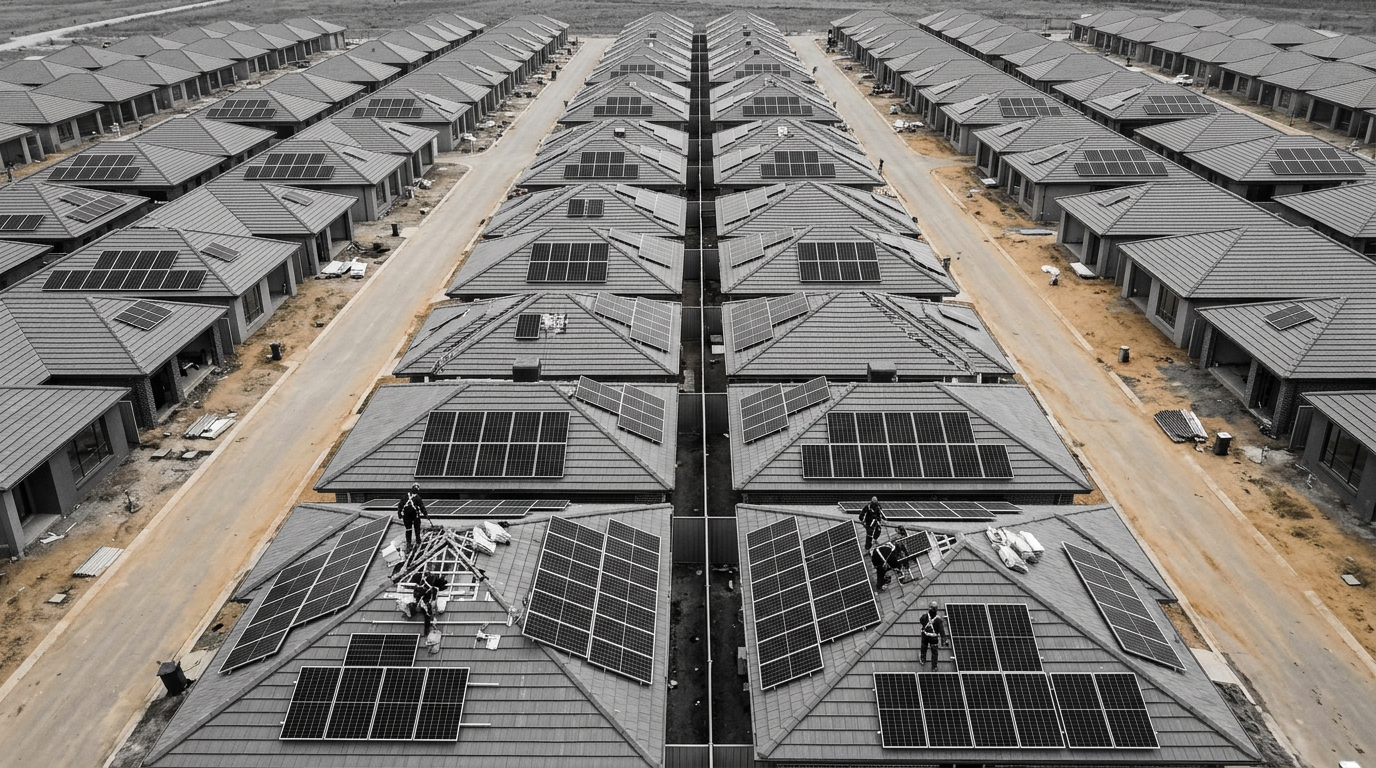
Octopus Energy said demand for home energy technologies accelerated in the UK as wholesale fuel costs climbed following an escalation of conflict in the Middle East.
The supplier reported that solar panel sales in March 2024 were up 50% from February, alongside a 30% month-on-month increase in heat pump sales and a rise in consumer inquiries about electric vehicles.
What changed and why it matters now
Octopus linked the shift in consumer behaviour to higher wholesale oil and gas prices after the conflict began on February 28 and disrupted energy production and transport across parts of the Middle East.
For households, the company’s message is that near-term bill relief may not last. CEO Greg Jackson said UK consumers are likely to see higher energy bills from July when the regulated energy price cap is reset, even though prices are set to fall temporarily from April.
Household response: spending for “energy independence”
Jackson said expectations of higher bills are encouraging people to invest in measures that reduce exposure to volatile energy markets, including rooftop solar and heat pumps.
The reported increase in EV inquiries fits the same pattern: consumers exploring ways to shift transport and heating away from fossil fuels when oil and gas prices rise.
Policy and market context
Jackson argued that the strategic focus should be on lowering electricity costs to support wider uptake of electric vehicles and heat pumps, which he framed as central to improving national energy resilience.
He contrasted Europe’s pace with China’s push for greater energy resilience through renewables, citing an ambition to remove petrol stations by 2040. He also said additional North Sea oil drilling would provide only limited gains for UK energy security.
Implications and key uncertainties
The sales jump signals how quickly consumer demand can respond to geopolitical shocks that feed into global energy pricing, with potential knock-on effects for installers, equipment supply chains, and household financing decisions.
However, the company did not provide unit volumes, regional breakdowns, or how much of the demand reflects purchases versus early-stage inquiries. The scale and durability of the trend will also depend on the July price-cap reset and whether wholesale prices remain elevated.