China's Factories Adapt to US Tariffs
China manufacturing is adapting after U.S. tariffs, with trade surpluses rising and PMI improving by March 2026 despite a 2025 export drop.
Atlas Newsdesk ·
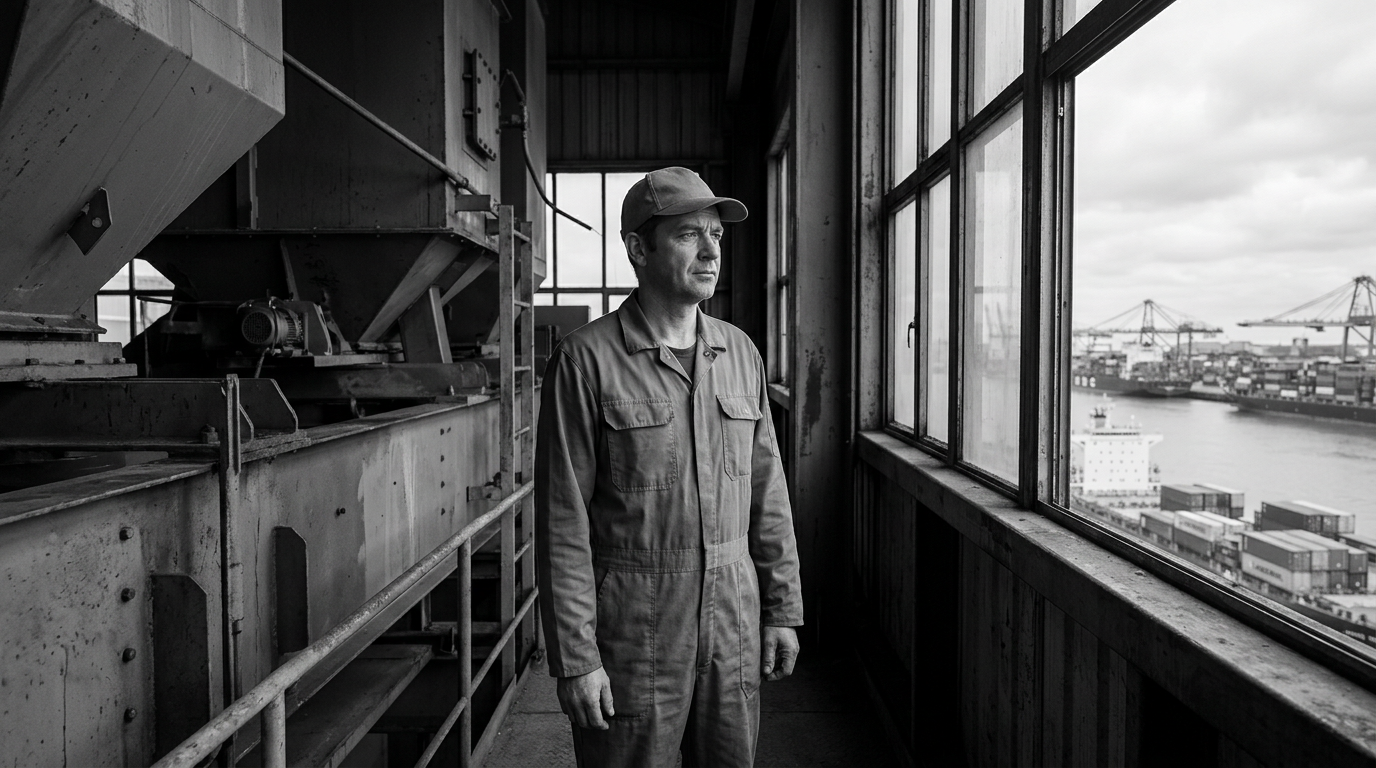
China’s manufacturing sector is showing signs of adjustment after U.S. tariffs imposed by President Donald Trump disrupted trade flows and corporate planning. One example cited is Agilian Technology in Dongguan, an electronics manufacturer that derives more than half its revenue from U.S. orders. In 2025, the company faced frozen orders and pressure from clients to move production outside China after tariff escalations.
Officials and analysts described the initial period as turbulent for exporters tied to U.S. demand. China’s exports to the U.S. fell 20% in 2025, reflecting the immediate impact of the tariff environment on bilateral trade. At the company level, Agilian’s exposure to U.S. customers meant that order pauses and relocation discussions quickly became operational risks.
Beijing’s response included retaliatory measures, among them export controls on critical minerals, which were described as helping to stabilize the business environment. Against that backdrop, China’s official Purchasing Managers’ Index (PMI) improved by March 2026, recording its fastest growth in a year. The PMI recovery was presented as a signal that manufacturing activity had regained momentum after earlier disruptions.
Trade data in the same period pointed to continued strength in China’s overall external position despite the hit to shipments bound for the U.S. China’s trade surplus rose by a fifth in 2025 to a record $1.2 trillion. For the first two months of 2026, the surplus was reported at $213.6 billion, up from $169.21 billion a year earlier.
Nick Marro, principal economist at the Economist Intelligence Unit, said the figures indicate China’s broader manufacturing momentum has not been derailed by the trade tensions. The experience of Agilian also illustrates how firms are attempting to reduce exposure to future shocks. Agilian, described as a $30-million-a-year business, has explored offshoring options, including setting up an entity in India and working with a factory partner in Penang, Malaysia.
Attention is also on diplomacy, with Trump expected to visit Beijing in May. Expectations for the trip were described as limited, with experts anticipating a framework aimed at preventing further escalation rather than a major breakthrough. The near-term uncertainty remains how durable the current stabilization will be for exporters and whether additional tariff changes or countermeasures could again reshape supply-chain decisions.