DC Office of Planning Publishes Comprehensive Plan’s Generalized Policy Maps
DC's Comprehensive Plan Generalized Policy Maps guide zoning, development review, and neighborhood planning. Explore citywide land-use illustrations online.
Sophie McAlister ·
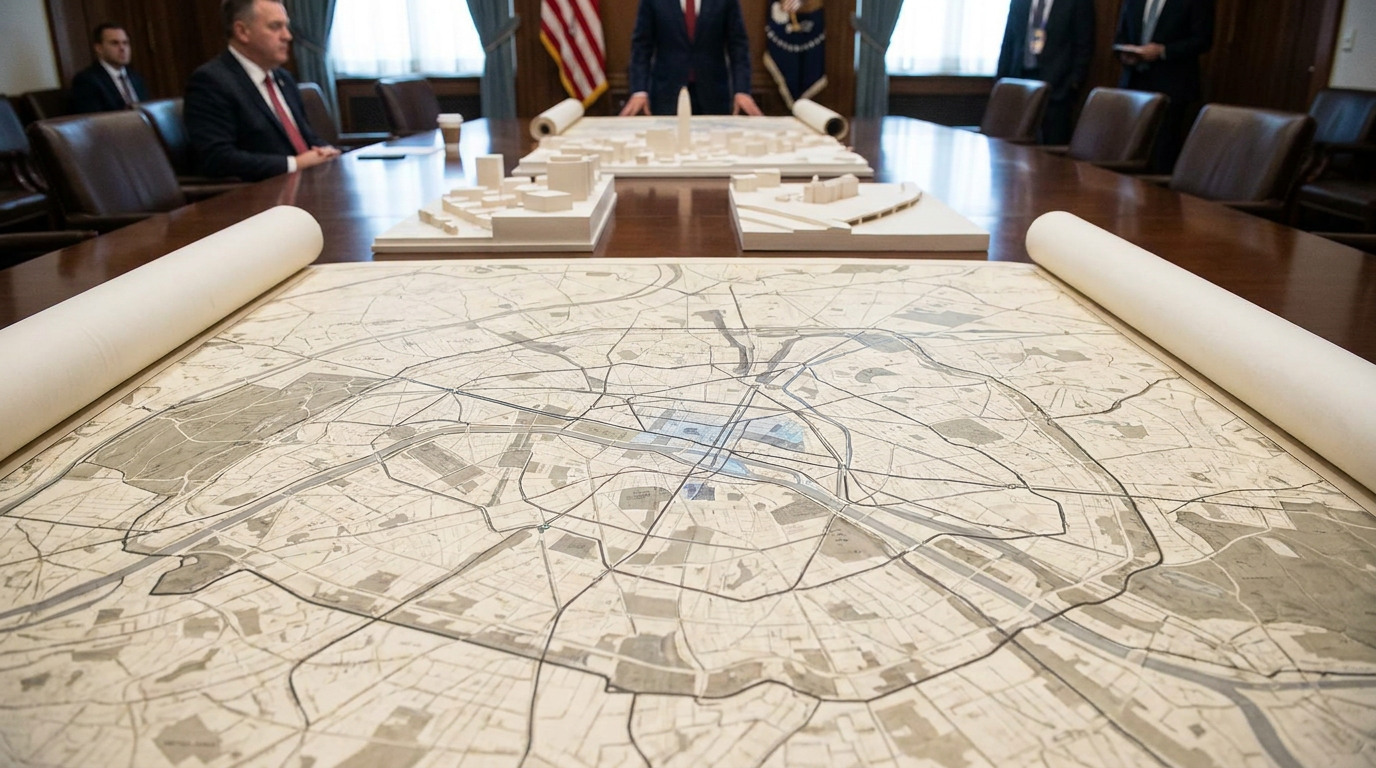
The District of Columbia Office of Planning hosts the Comprehensive Plan’s Generalized Policy Maps on its official website. The maps are part of the city’s Comprehensive Plan framework and illustrate recommended land-use patterns and broad policy designations across neighborhoods throughout Washington, DC.
The Generalized Policy Maps do not function as zoning maps but rather as a planning framework that the Mayor’s Office, the DC Council, the Zoning Commission, advisory neighborhood commissions, developers, and residents consult when evaluating projects and policy proposals. They are used to show citywide guidance for future residential, commercial, mixed-use, and open-space priorities across neighborhoods including Capitol Hill, Shaw, and the Navy Yard.
How the maps fit into DC planning
The maps sit alongside the Comprehensive Plan’s written elements and small-area plans as part of a larger policy toolkit that guides public- and private-sector decisions. Local agencies and review bodies reference the maps when proposed developments or zoning changes are considered, and neighborhood advisory bodies commonly use the maps to frame comments and community feedback.
Because the maps present general policy directions rather than parcel-level rules, they are often paired with zoning code analysis and site-specific studies during review processes. That distinction — guidance versus regulation — is central to how the Office of Planning and decision-making bodies apply the maps in practice.
Who uses the maps and why they matter
City agencies, elected officials, developers, and community groups rely on the Generalized Policy Maps to understand long-range goals for land use, transportation, and open space. For developers, the maps can signal where the city envisions higher density or mixed-use activity; for neighborhood advocates, the maps help frame arguments about preserving housing or public space.
The maps also inform city-led planning initiatives and small-area plans that target specific corridors or neighborhoods. Public meetings, ANC deliberations, and zoning filings commonly reference the maps as context for recommendations and decisions.
Maintaining accessible, up-to-date policy maps on the Office of Planning website supports transparent decision-making by giving residents and stakeholders a clear, centralized statement of the city’s planning intentions.
Watch for future updates from the Office of Planning and forthcoming small-area plans and zoning actions that will use the Generalized Policy Maps as a baseline for local debate and regulatory review.