California Jet Fuel Dips to Three-Year Low
California jet fuel stocks hit a three-year low by April 17 as Middle East turmoil disrupted shipments, pushing prices sharply higher by April 24.
Atlas Newsdesk ·
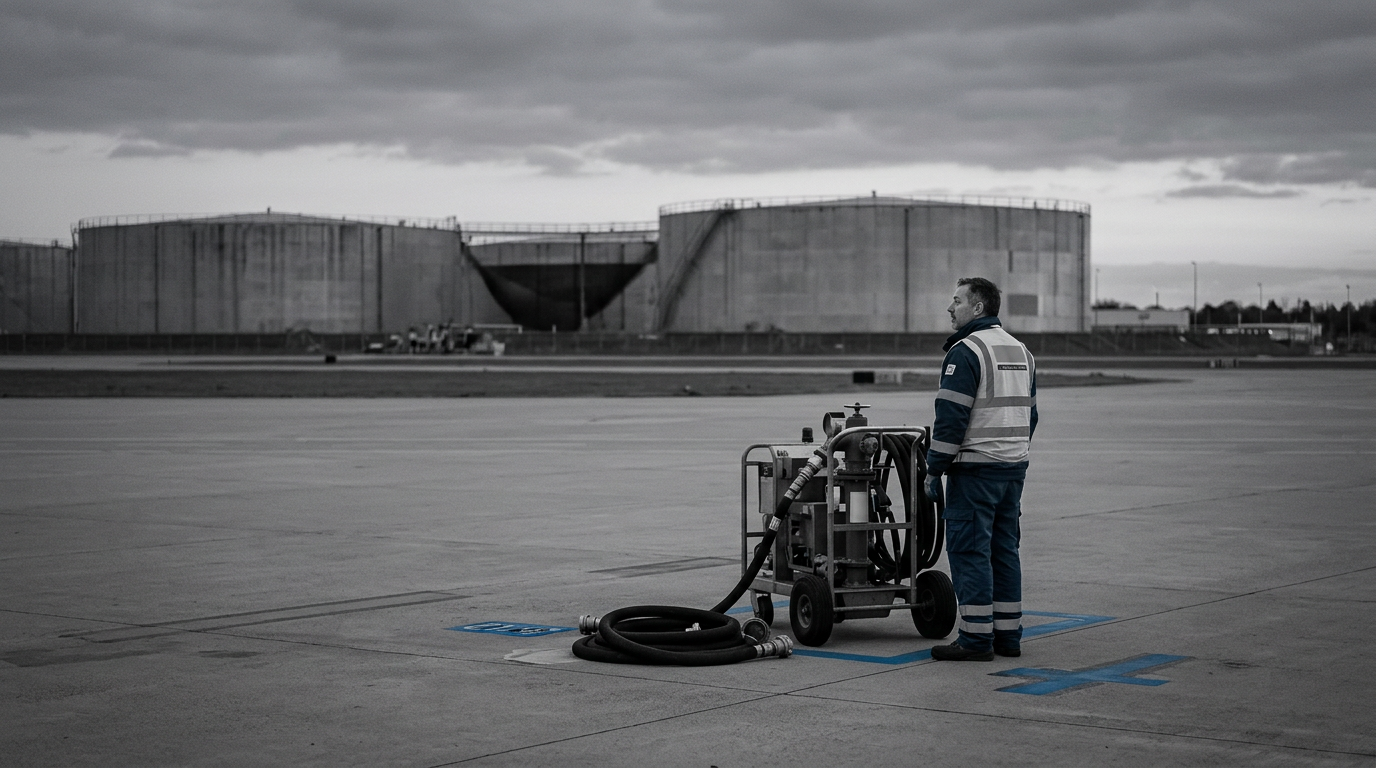
California’s jet fuel supply fell to a three-year low by April 17 , tightening conditions in a market that can influence broader oil pricing. The California Energy Commission (CEC) reported statewide jet fuel inventories at just over 2.6 million barrels, down from 3.2 million barrels two years earlier.
Officials and industry participants have linked the drawdown to heightened geopolitical strain in the Middle East. The source material cites conflict involving the U.S., Israel, and Iran, and says oil shipments have been disrupted through key transit routes including the Strait of Hormuz. With California dependent on inflows that can be exposed to international shipping risks, the state’s supply position has become more sensitive to overseas disruptions.
1% of California’s supply in 2025, with Asian refiners described as the primary source. That reliance, combined with shipping uncertainty, has coincided with a sharp rise in jet fuel costs. S. 19 per gallon by April 24, according to the figures cited in the source material.
Price pressure has been especially visible at major hubs. At Los Angeles International Airport, recent jet fuel costs were reported as approaching $15 per gallon. The source material says airlines have already started passing through some of the higher operating costs via measures such as increased baggage fees and fuel surcharges.
Industry analysts cited in the source material said prolonged elevated fuel prices could push carriers to drop routes that generate weaker returns. That could translate into fewer options for travelers and potential disruption to travel plans, particularly on marginal services where fuel costs are a larger share of total expenses.
The CEC said it is monitoring developments and working with industry stakeholders to evaluate risks and consider options. While the source material points to Middle East turmoil and shipping disruptions as key drivers, it does not specify how long the constraints may persist or what measures, if any, could quickly rebuild inventories.