Nevada Wildfire Forces 14,000 Evacuations Near Reno
A fast-moving wildfire in northwest Nevada prompted evacuations for 14,000 residences near Reno, with over 4,450 hectares burned.
Atlas Newsdesk ·
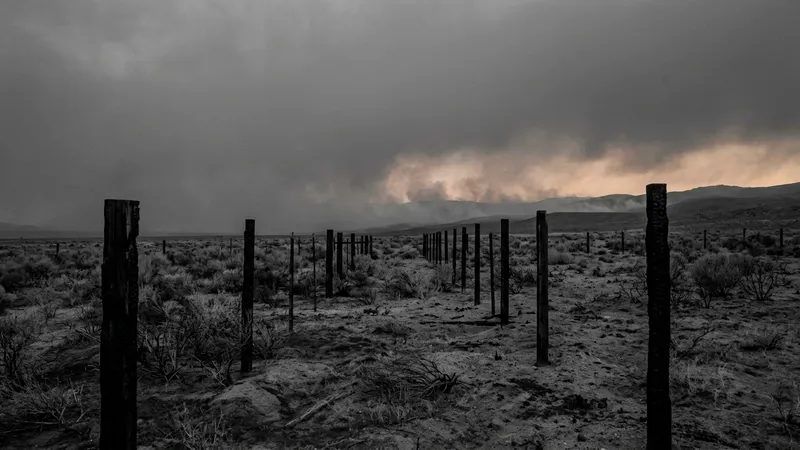
A rapidly spreading wildfire in northwest Nevada has led to the evacuation of nearly 14,000 homes as it moves towards populated areas surrounding Reno. Named the Hawk Fire, the blaze originated on Saturday near the Hawk Meadow Trail. It has consumed over 4,450 hectares of land, driven by strong winds, exceptionally low humidity, and very dry vegetation.
Nevada Governor Joe Lombardo issued a state of emergency declaration for Washoe County on Sunday. This declaration facilitated the deployment of the Nevada National Guard, which is now actively supporting aerial firefighting efforts and ensuring security in the affected neighborhoods.
Emergency Response Efforts Intensify
Currently, approximately 400 firefighters and emergency personnel are working to contain the fire. These teams represent various local, state, and federal agencies. Reports indicate the fire has reached the perimeter of the University of Nevada, Reno campus, prompting the institution to activate its specific emergency response protocols to safeguard students and staff.
The fire's impact on local infrastructure has been considerable. As of Sunday, close to 10,000 residences and businesses in the area experienced power outages, disrupting daily life and essential services. While the Reno-Tahoe International Airport has maintained its operations, local authorities have established multiple evacuation centers to assist displaced residents.
Community Safety and Ongoing Challenges
Reno Mayor Hillary Schieve confirmed that several structures have already been destroyed by the encroaching flames. She urged residents to prioritize immediate evacuation for personal safety, stressing that property preservation should not take precedence given the unpredictable nature of the fire. The combination of fierce winds and arid conditions continues to present significant challenges for emergency responders, making containment difficult and maintaining a high risk of further expansion.
Authorities are continuously monitoring the situation and updating evacuation orders as the fire's trajectory changes. The region, particularly western Nevada, is inherently vulnerable to wildfires due to its arid climate, abundant dry brush, and frequent strong winds, especially during the late summer and early autumn months. This geographical and climatic context often exacerbates the intensity and spread of such incidents.
Regional Wildfire History and Prevention
Large-scale fires are not uncommon in Nevada, frequently intensified by prolonged drought conditions and shifts in weather patterns. These events regularly strain local and state resources, leading to significant ecological damage, property destruction, and public health concerns from smoke inhalation. The ongoing Hawk Fire highlights the persistent threat posed by wildfires across the American West and the critical importance of robust preparedness and rapid response mechanisms to protect communities.
Public awareness campaigns on fire prevention and strict adherence to evacuation orders remain essential components in mitigating the risks associated with these natural disasters. Effective land management practices, including controlled burns and clearing of dry vegetation, also play a crucial role in reducing fuel loads and preventing catastrophic blazes.