Rosedale Debates AI License Plate Surveillance Network
Toronto Rosedale residents are split on an AI license plate scan plan using Flock tech, with privacy, cost, and legal questions unresolved.
Ayla Demirhan ·
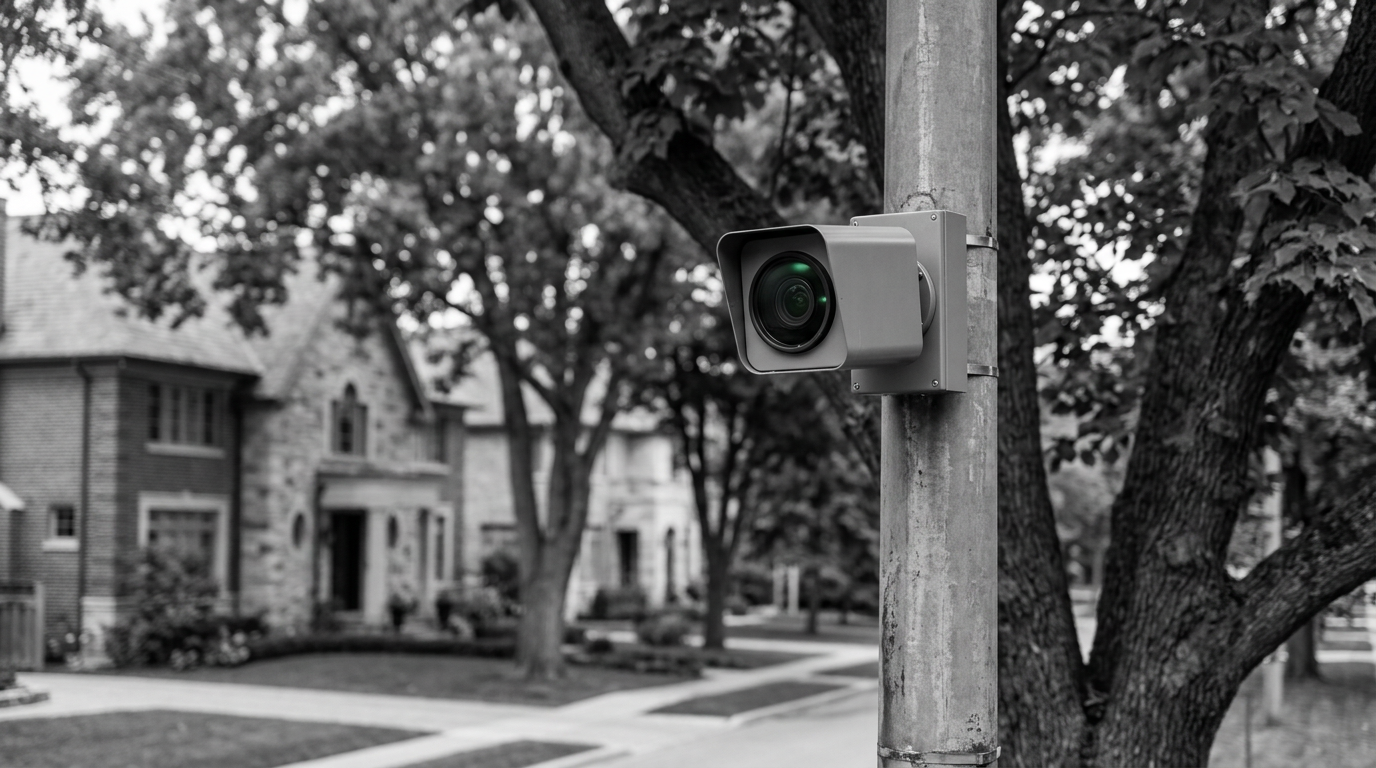
Residents in Rosedale, one of Toronto’s wealthier neighbourhoods, are weighing a proposal to install an AI-enabled network designed to scan vehicle license plates as a way to deter property crime. Supporters say the system would help create what they describe as a “virtual gated community” by identifying vehicles linked to residents and flagging those viewed as suspicious.
The technology under discussion is supplied by Flock, a U.S.-based company. Backers say the plan would rely on automated license plate recognition rather than facial recognition, and that license plate information would be retained for 30 days. Under the details shared by proponents, police would only be able to access the data with legal authorisation.
The initiative is being led by local resident Craig Campbell, who has cited safety concerns following incidents such as home invasions. Campbell has also said he holds the Canadian licensing rights for Flock, indicating a commercial interest alongside the stated public-safety purpose. Supporters argue the system could improve neighbourhood awareness of vehicle movements they associate with suspected property crime.
The push is unfolding as Rosedale’s property crime rate is reported to be more than double Toronto’s average, even while overall crime across the city has declined. Proponents say that disparity is driving interest in additional tools beyond existing measures. The proposal would start with an initial group of 100 residents paying a monthly subscription of C$200 (approximately £110), with the subscription model intended to fund deployment and ongoing operation.
Reaction among residents has been mixed. Some have backed the idea, pointing to personal experiences with property crime and saying they want more options to protect homes and streets. Others have raised concerns about AI bias, profiling, and the broader risk of normalising mass surveillance, even if the system does not use facial recognition.
Opponents have also pointed to past controversies involving Flock in the United States, including reports of data being shared with immigration authorities and instances where the technology misidentified vehicles. Those references have intensified questions about governance, oversight, and whether information could be used beyond the original intent if the network expands or if policies change.
In Canada, the proposal may face legal and regulatory scrutiny because privacy rules are stricter than in the United States. Regulators could treat the system as a data-collection network subject to the Personal Information Protection and Electronic Documents Act (Pipeda), which could create compliance hurdles for neighbourhood-wide deployment.
Toronto police have acknowledged that technologies of this kind raise privacy considerations, but have not commented on the legality of the specific Flock proposal.
Key uncertainties for residents and city stakeholders include how regulators would classify the system under Canadian law and what safeguards would be required before any data-sharing with law enforcement could occur. The outcome could influence whether similar community-led surveillance models gain traction elsewhere, and how cross-border concerns tied to U.S. controversies shape Canadian governance expectations.