Antarctic Chinstrap Penguin Population Declines by Two-Thirds
The world's largest chinstrap penguin colony has collapsed by two-thirds since 2011, likely due to climate-driven shifts in prey availability and rising…
Atlas Newsdesk ·
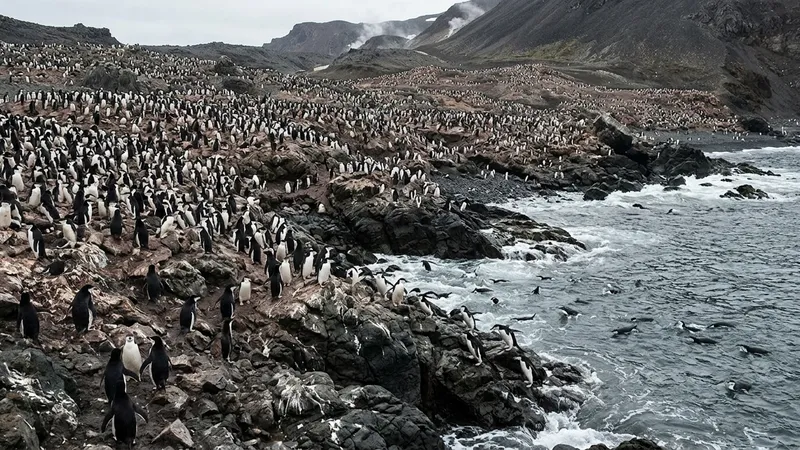
The chinstrap penguin population on Zavodovski Island has decreased by approximately two-thirds since 2011. This loss represents an estimated 500,000 breeding individuals, resulting in the colony losing its status as the world’s largest.
Research indicates that climate-driven warming in the Antarctic Peninsula is the primary driver of this decline. Rising ocean temperatures have forced Antarctic krill, the primary food source for chinstrap penguins, to migrate southward, creating a significant foraging deficit.
Ecological models suggest that the rapid population collapse poses a systemic risk to the broader Antarctic food web. Scientists have ruled out volcanic activity and inter-species competition as primary causes for the trend.
Projections indicate that the species may require reclassification as endangered if current environmental conditions persist. The loss of this population serves as a critical indicator of accelerating ecosystem instability in the region.