Colorado Curbs Arrests on Field Drug Tests Alone
Colorado bans arrests based only on colorimetric field drug tests from April 5, 2026, requiring lab analysis or corroborating evidence.
Cuneyd Erdogan ·
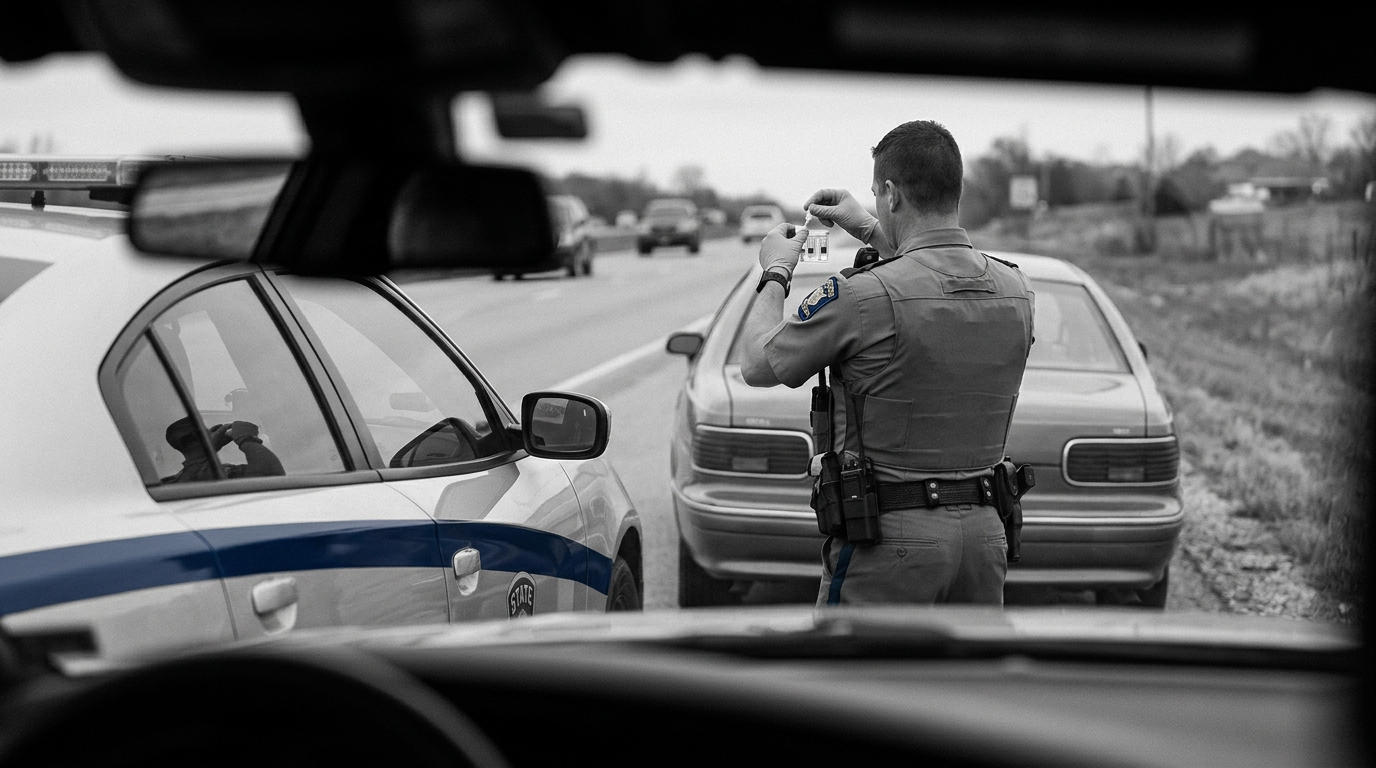
Colorado has adopted a new statewide rule limiting how police can use rapid field drug tests in arrests. The law, which takes effect April 5, 2026, bars arrests that rely only on colorimetric drug test results. Officials framed the change as a response to concerns that these inexpensive, fast tests can produce false positives that lead to wrongful detention and extended legal disputes.
Colorimetric tests are commonly used in the field because they are quick and low-cost, typically priced between $2 and $10. The kits use chemical pouches designed to change color when certain compounds are present. The law targets the practice of treating a color change as sufficient grounds for an arrest without additional support.
Research cited in connection with the policy shift points to error rates that are materially higher than what manufacturers have estimated. Data from the University of Pennsylvania indicates potential error rates ranging from 15% to 38%, compared with manufacturers’ estimates of about 4%. Separately, a study by the New York City Department of Investigation reported even higher error rates—between 79% and 91%—in some correctional settings.
The concern is not limited to technical performance in controlled conditions. The tests can be triggered by everyday materials, and the source material notes that substances such as sugar or even bird droppings may cause false positives. Those outcomes have, in some cases, resulted in people facing charges tied to substances that were not controlled drugs, creating legal complications that can persist even after later testing.
Under the new Colorado law, an arrest must be supported by more reliable laboratory analysis or other corroborating evidence. The stated goal is to reduce the risk that a person is detained or forced into a prolonged legal process based on an initial screening that may be inaccurate. The change also addresses downstream burdens on courts and correctional systems that can arise when early-stage evidence is later contradicted.
While the law sets a clear standard for arrests, uncertainty remains around how quickly confirmatory testing can be obtained in practice and how agencies will document “other corroborating evidence” in routine cases. The shift may also affect procurement and operational decisions for law enforcement agencies that have relied on these kits because they are cheap and deliver immediate results.