IT failure leaves Hargreaves Lansdown clients unable to make transactions
Hargreaves Lansdown experienced an IT system failure on Monday, preventing clients from executing trades and accessing accounts.
Cuneyd Erdogan ·
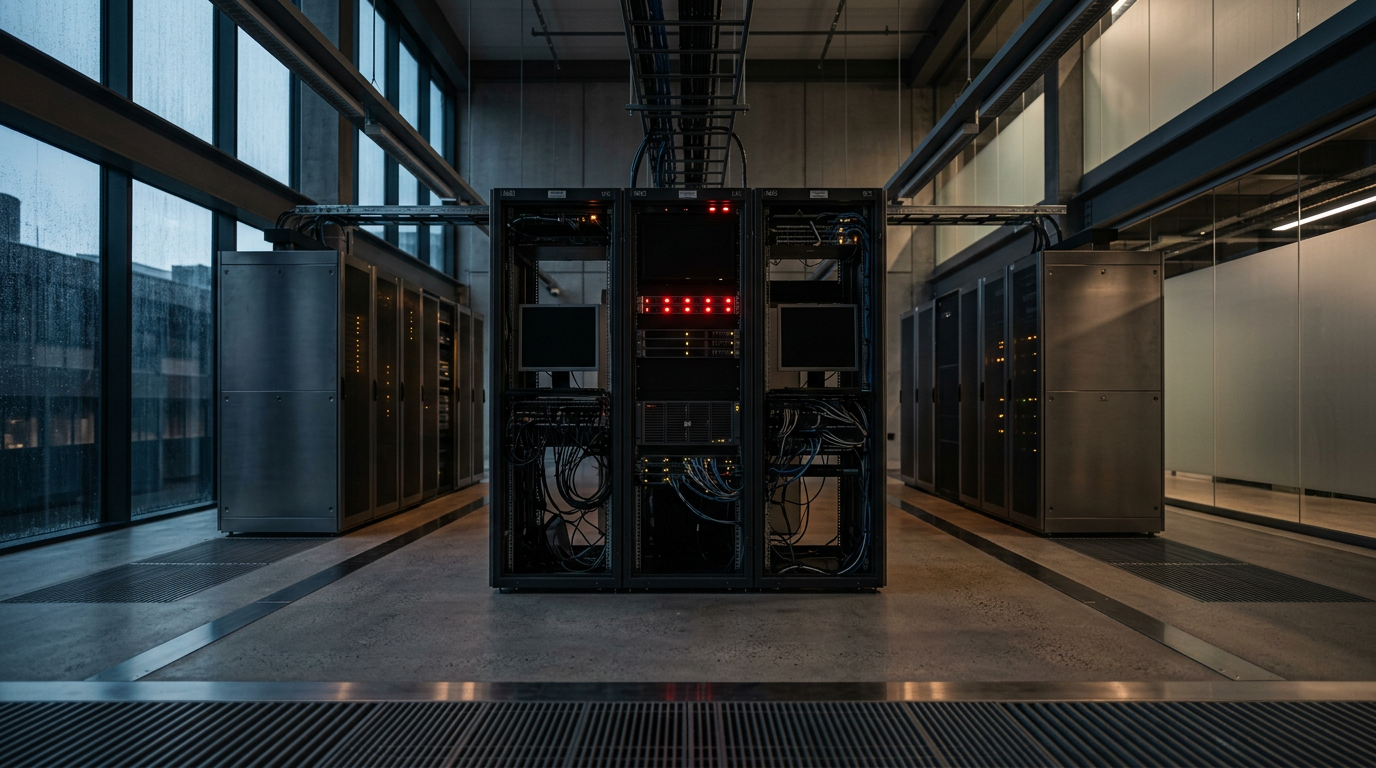
Hargreaves Lansdown, a prominent UK investment platform, experienced a significant IT system failure on Monday, preventing its clients from executing trades and accessing their accounts. The disruption, which began in the morning, affected a wide range of services, including online trading, account management, and mobile application functionality, leading to widespread client frustration.
### System Failure Details
The technical issues commenced on the morning of May 20, 2024, rendering the platform largely inaccessible. Clients attempting to log in or place orders encountered error messages or were unable to complete transactions. The outage impacted both web-based access and the company's mobile trading applications, effectively halting trading activities for many users.
### Company Response and Resolution
Hargreaves Lansdown acknowledged the system malfunction via its official channels, including its website and social media platforms. The company communicated that its technical teams were actively working to restore full service. While initial updates were frequent, a complete resolution took several hours, with services gradually returning online by the afternoon.
### Impact on Clients and Markets
The inability to trade during market hours can have significant implications for investors, particularly those needing to react to market movements or execute time-sensitive transactions. While the full financial impact on individual clients is difficult to quantify without specific data, such outages can lead to missed opportunities or potential losses if clients cannot manage their portfolios effectively.
The incident occurred during a standard trading day, affecting a broad base of retail investors.
### Broader Context of Financial IT Resilience
This incident highlights the ongoing challenges financial institutions face in maintaining robust and resilient IT infrastructure. Investment platforms, which handle vast numbers of transactions and sensitive client data, are particularly vulnerable to technical disruptions. Regulators, including the Financial Conduct Authority (FCA) in the UK, increasingly emphasize operational resilience and require firms to have robust plans for managing and recovering from such events.
### Previous Incidents and Industry Trends
While specific details of this particular outage are still emerging, similar incidents have affected other financial services firms in recent years. These events often underscore the complexity of modern financial technology systems and the critical need for continuous investment in IT security and infrastructure. The reliance on digital platforms for investment management means that any system failure can have immediate and widespread consequences for client confidence and market access.
### Regulatory Scrutiny and Future Measures
Financial regulators typically monitor such outages closely, often requiring firms to provide detailed reports on the cause and their remediation efforts. Hargreaves Lansdown will likely be expected to conduct a thorough review of the incident to identify root causes and implement measures to prevent recurrence. This includes evaluating system redundancies, disaster recovery protocols, and communication strategies during periods of disruption.
Implications
Country Impact: The UK financial services sector faces ongoing scrutiny regarding operational resilience. Incidents like this can prompt regulators to reinforce requirements for robust IT infrastructure and disaster recovery planning across the industry.
Industry Impact: The investment platform industry is highly dependent on technology. Outages can erode client trust and potentially lead to client attrition, emphasizing the need for continuous investment in system stability and cybersecurity measures.
Market Impact: While a single platform outage typically has limited direct impact on overall market movements, it can prevent individual investors from participating in market activity, potentially affecting their personal portfolio performance and trading strategies.