

Cybersecurity Breaches and Regulatory Challenges Impacting US Intelligence and Public Records
AI-driven cyberattacks, legislative transparency debates, and trade secret litigation highlight critical US security and governance risks.
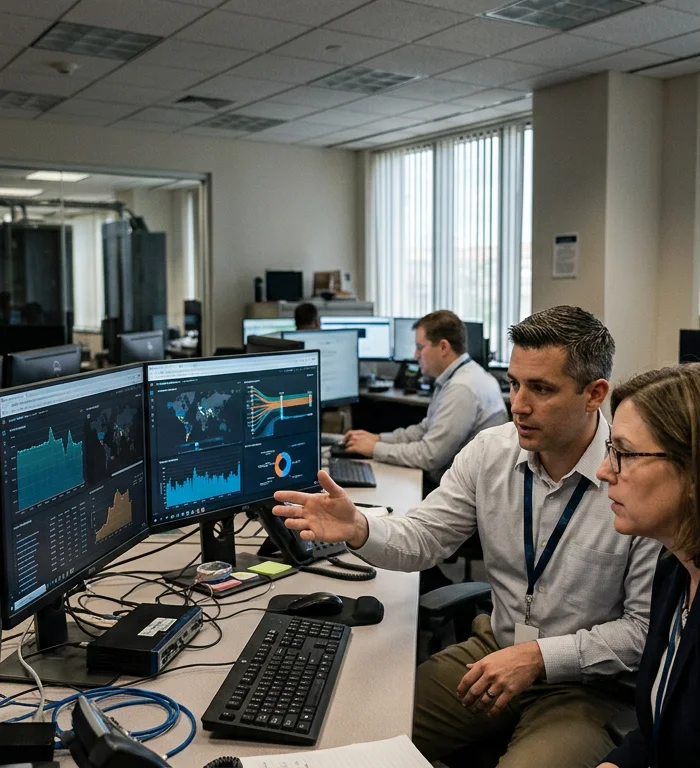
Recent reports indicate that hackers utilized an AI-driven tool, identified as Artex, to breach US intelligence agencies. While the tool was originally developed for cyber defense purposes, its exploitation resulted in the exposure of non-classified data. Officials have suggested that state-sponsored actors, potentially linked to China, may be responsible for the intrusion. A US financial crimes bureau has also confirmed a separate data breach, highlighting an increasing trend of AI-facilitated cyber threats against government infrastructure.
Simultaneously, the integration of AI into public records management is creating significant administrative and legal friction. Venture-backed firms have invested over $100 million to aggregate public data for commercial AI applications, while automated chatbots have surged in volume for public records requests. This influx has overwhelmed government agencies, leading several states to pursue legislative changes that would permit the denial of records requests. Analysts warn that these measures may reduce government transparency and complicate the balance between public access and administrative capacity.
Alice Huang
In other developments, Huawei has been convicted on 10 of 12 counts regarding the theft of US trade secrets, including charges of bank fraud and facilitating surveillance for the Iranian government. Separately, firms associated with Alice Huang have financed approximately $270 million in AI server infrastructure within China, raising concerns regarding potential violations of US export controls on advanced semiconductor technology. These events underscore a period of heightened geopolitical tension surrounding technology transfers and the security of critical data systems.
Furthermore, the US Army has announced plans to destroy 10,000 pounds of unstable explosives, citing the danger of transporting or neutralizing the aging stockpile. These developments collectively reflect a broader environment of operational risk, where both digital and physical infrastructure face increasing pressure from technological shifts and security vulnerabilities.
More stories
- Japan data centers face lawsuits over residential sites
- Türkiye Desk: GTA 6 drains UK mobile spend as Turkish studios feel pressure
- Europe faces attribution gap after 16 cyber, physical incidents
- PIF backs Grand Theft Auto as Saudi players embrace game
- Signal limits screenshots to curb AI access to messages
- Cognition runs Devin Mac workspaces on EC2 in 6 AWS regions
- Fervo Energy signs 396-MW Google geothermal deal in Utah
- Meta settlement ends states' teen addiction lawsuit trial
Latest news
- Duterte faces ICC trial over 85 alleged murders, 2 attempts
- Norse Atlantic suspends flights in urgent rescue funding bid
- Bardella denies antisemitism claims over teenage messages
- Retailers rethink Black Friday as discount fatigue grows
- S&P puts Nvidia credit rating on watch over board concerns
- Musk pledges two SpaceX shares per child in new US giveaway
- Washington targets China in new tariff push on trade ties
- Morocco targets 2030 World Cup final with new stadium bid