The '80s Car Feature That Would Fit Perfectly In The AI Hellscape Of Today - Jalopnik
Automotive voice alerts are spreading again as ADAS grows and safety rules tighten, reviving a decades-old clash over driver control.
Jason Kwon ·
Lead
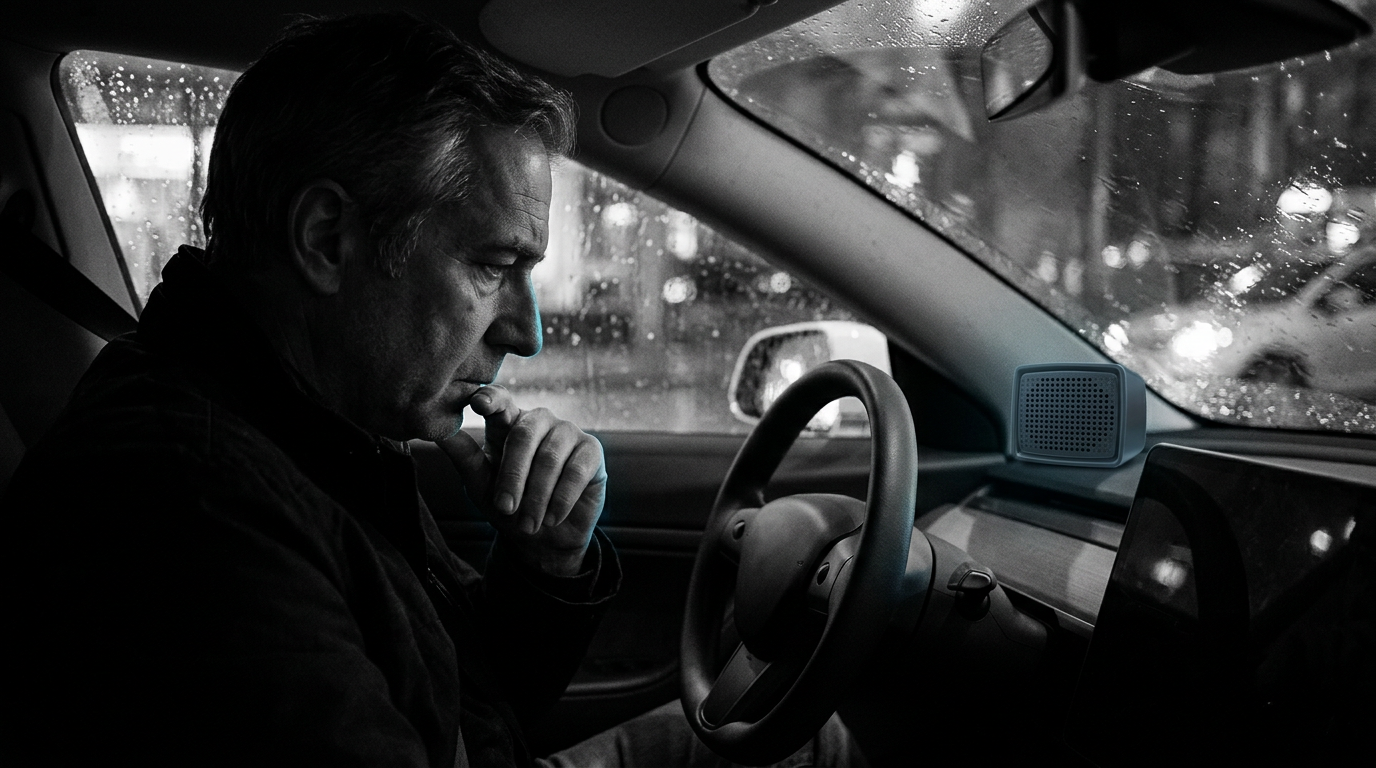
Voice-based warnings are becoming a routine part of driving again, even as many motorists find them distracting or irritating. The renewed push is tied to the wider rollout of advanced driver-assistance systems (ADAS) and policy pressure to add more safety functions.
The result is a familiar trade-off for automakers: more automated guidance intended to reduce risk, versus drivers who want fewer prompts and more control over how the car communicates.
What changed, and why it matters now
Today’s vehicles increasingly rely on ADAS features that monitor the road and the driver, then issue alerts when the system detects a potential problem. As these systems become more common, the number of audible notifications can rise, making the in-cabin experience a market differentiator as well as a safety issue.
Regulatory momentum toward additional safety equipment is one reason manufacturers keep adding warning functions. At the same time, the technology stack has advanced, enabling more frequent interventions and reminders than earlier generations of in-car alerts.
5N1K: who, what, when, where, why, how
Who: Automakers deploying ADAS and voice prompts, and drivers who must live with the interface. What: Continued integration of spoken alerts and other prompts tied to safety and assistance features.
When: The pattern spans from the early 1980s to current models; in 2025, Consumer Reports testers described ongoing frustration with frequent prompts in at least one vehicle, Volvo’s EX30. Where: The examples cited involve major manufacturers and mainstream consumer vehicles.
Why: Safety goals and regulatory encouragement are pushing more driver-assistance functions into cars, even when the user experience is contentious. How: Modern systems combine sensors such as radar and cameras with artificial intelligence to support features including lane-keeping assistance and driver-attention warnings, which can trigger repeated notifications.
Historical context: the 1980s precedent
This is not a new debate. Chrysler introduced an Electronic Voice Alert system in 1983 that played prerecorded messages about vehicle status, offering between 11 and 24 distinct recordings depending on configuration.
Other brands, including Nissan and Oldsmobile, also experimented with voice messaging in that era. Those early systems were often novel but drew complaints about intrusiveness, and many vehicles included a way to turn the feature off—sometimes not prominently exposed.
Market implications and open questions
For manufacturers, the tension has commercial consequences: frequent alerts can shape brand perception, influence reviews, and affect purchase decisions, especially as more models compete on software and cabin experience. For regulators and safety advocates, the challenge is ensuring warnings remain effective without becoming background noise that drivers ignore.
What remains unclear from the available information is how widely these frustrations vary by brand, region, or specific ADAS design choices, and how often drivers disable alerts when given the option. The recurring pattern—from 1980s voice systems to current ADAS prompts—suggests the industry still lacks a universally accepted balance between safety messaging and driver autonomy.
💊 Kapsül Analysis
📌 What Happened?
- Automakers continue adding voice alerts, now often linked to ADAS functions.
- Chrysler launched Electronic Voice Alert in 1983 with 11–24 prerecorded messages; Nissan and Oldsmobile offered similar systems.
- In 2025, Consumer Reports testers cited frustration with frequent prompts in Volvo’s EX30.
🔍 Why It Matters
- More safety features can mean more in-cabin warnings, affecting driver attention and acceptance.
- User experience is becoming a competitive factor as vehicles add software-driven assistance.
- Repeated alerts risk being ignored, raising questions about real-world effectiveness.
📈 Market & Political Impact
- Markets: ADAS-heavy strategies can shift costs and differentiation across global automakers and suppliers (sensors, software).
- Macro: Regulatory pushes for safety tech can influence vehicle pricing and feature standardization.
- Geopolitics/trade: Wider ADAS adoption increases reliance on globally sourced components like cameras and radar modules.
👁️ What to Watch
- Whether automakers make alert deactivation and customization more accessible.
- How regulators frame requirements around warnings versus driver control.
- Independent testing feedback on specific models as ADAS becomes more common.
📋 Source Status
Single-source
📊 Confidence
Level: Medium — The historical examples and cited 2025 testing are specific, but broader prevalence and outcomes are not quantified.
Implications
Country Impact: As safety expectations rise across major car markets, policymakers may face pressure to clarify how warning systems should work without overwhelming drivers. Differences in national safety frameworks could shape how configurable alerts are in different regions.
Industry Impact: Automakers and ADAS suppliers face a design challenge: adding more assistance functions can increase alerts, which may affect customer satisfaction and reviews. The recurring demand for an “off” option suggests interface design and human factors remain central to product strategy.
Market Impact: Greater ADAS adoption supports demand for globally traded components such as radar and camera systems, with knock-on effects for supply chains. At the same time, consumer pushback on alert frequency can influence model competitiveness and brand positioning in software-defined vehicles.