

English Football Set to End Saturday Afternoon Broadcast Blackout
UK football authorities will review the 3pm broadcast blackout for the 2029–30 cycle, balancing commercial growth with lower-league attendance.
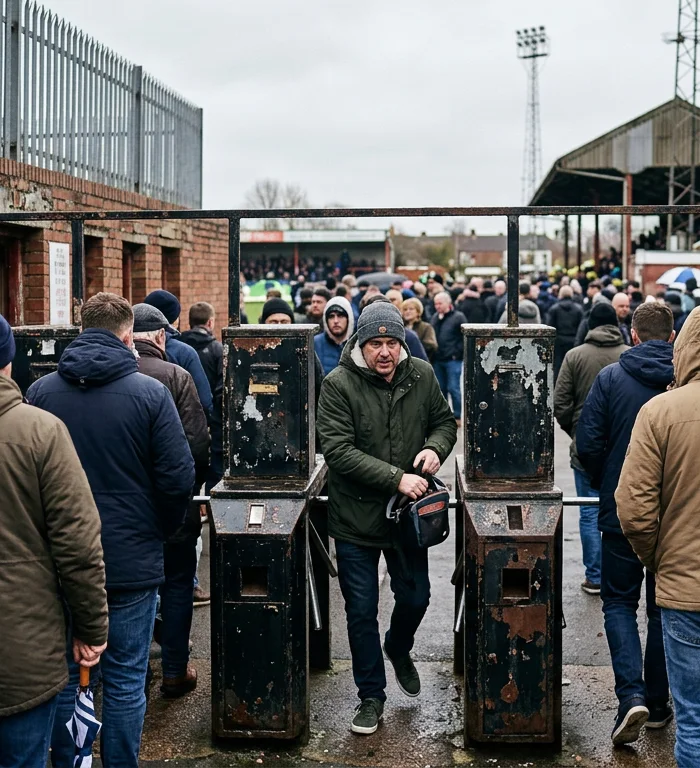
The Premier League and the English Football League (EFL) are scheduled to initiate formal discussions regarding the future of the Saturday 3pm broadcast blackout. This long-standing policy, which prohibits the live television transmission of matches during this window, has been in effect since the 1960s to protect match-day attendance across the football pyramid. The upcoming renewal of television rights cycles for the 2029-30 season has prompted a re-evaluation of the regulation.
While the most recent domestic Premier League broadcast deal reached a record value of approximately $8.5 billion, the league was required to increase the number of televised matches to achieve this growth. As the inventory of available non-blackout slots diminishes, stakeholders are considering whether the 3pm window is necessary to maintain revenue growth or if it remains a vital safeguard for lower-league financial stability. Officials have noted that the current model faces pressure as broadcasters seek additional content to justify rising rights costs.
Most European leagues avoid a blackout by staggering
International comparisons highlight that the UK remains an outlier in maintaining such a restriction. Most European leagues avoid a blackout by staggering kick-off times across different divisions, ensuring that top-tier matches do not compete directly with lower-league fixtures. In contrast, the UK football structure relies on simultaneous kick-offs, making the blackout a unique feature of the domestic sporting landscape.
Political and administrative stakeholders have expressed caution, emphasizing that the health of the broader football pyramid must take precedence over commercial expansion. There is significant concern that removing the blackout could lead to a decline in stadium attendance for non-league and lower-division clubs. As the 2029-30 rights cycle approaches, the decision will hinge on balancing the demand for increased broadcast access against the potential erosion of local match-day revenue.
More stories
- Hull City 2–0 Brighton: When Resilience Beat Reputation
- Aleksey Batrakov Attracts Barcelona Transfer Interest
- Manchester United weigh Osimhen move, transfer report says
- Ravens 20, Chargers 23: A season at the edge
- Billie Jean King ties 39 majors to equal-pay fight
- Cavaliers list Jarrett Allen questionable for Hornets game
Latest news
- Eisenkot secures first coalition deal but lacks majority
- Trump prepares tariffs on China and other major exporters
- New-car buyers pay record average $50,087 in October
- Banks face ECB reserve debate over liquidity and profits
- Investors see Anthropic debut gains fade below $83 a share
- Iraq orders federal control over Kurdish-area oilfields
- Germans oppose Ukraine aid as poll shows support slipping
- Kim Jong-un receives 10 envoys after constitutional shift