Texas Screwworm Case Threatens Shrinking US Cattle Supply
A screwworm case in a Texas calf presents a significant threat to the severely depleted U.S. cattle herd and could elevate beef prices.
Jason Kwon ·
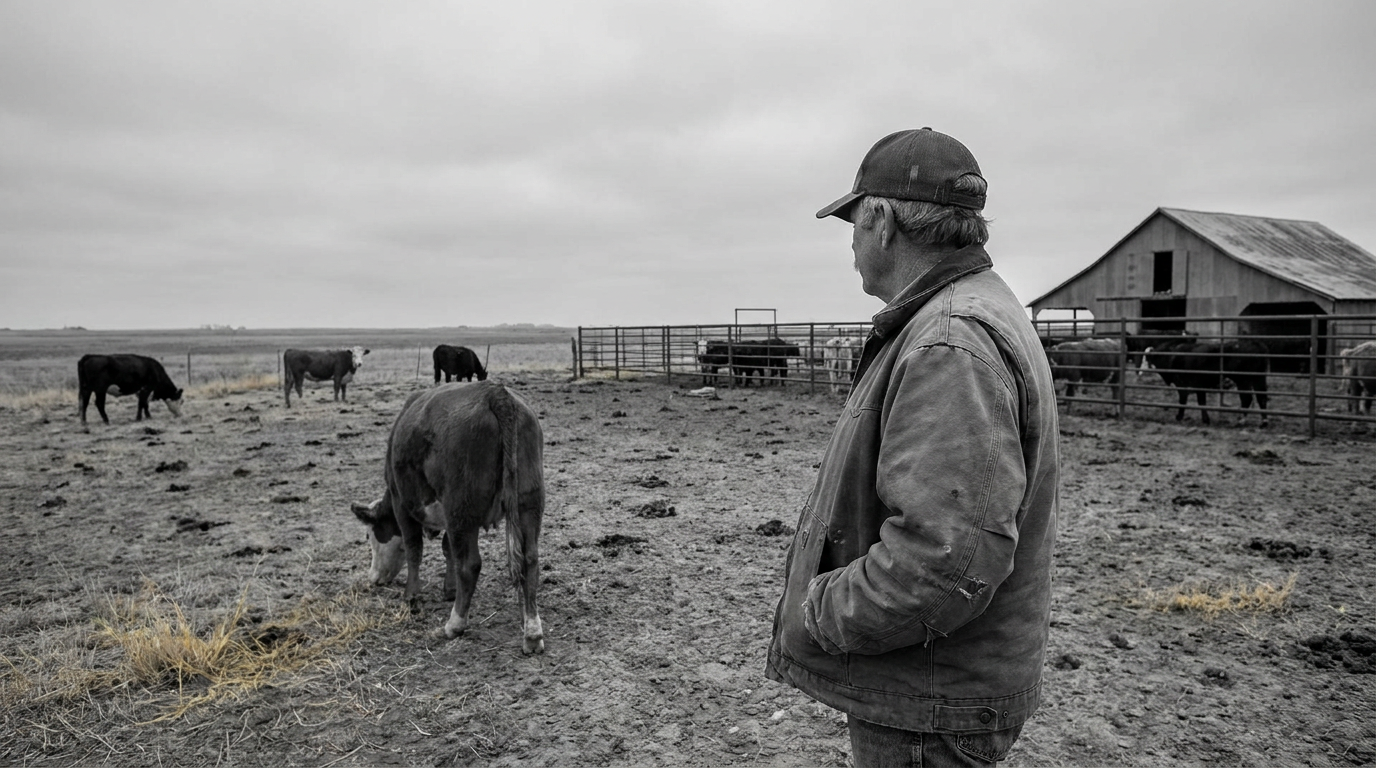
A parasitic screwworm infestation has been confirmed in a calf in La Pryor, Texas, marking the first occurrence in the state since 1966, the U.S. Department of Agriculture (USDA) reported. This development raises substantial concerns for the nation's cattle industry, already facing its lowest herd numbers in 75 years.
The detection arrives as the pest has steadily migrated northward through Mexico, reaching just 30 miles from the U.S.-Mexico border. This proximity has heightened anxieties among domestic cattle ranchers regarding potential outbreaks within the United States.
Economic Risks for Livestock
The presence of the New World screwworm, which preys on warm-blooded animals, jeopardizes the already constrained U.S. beef supply. Current tight supplies have precipitated reduced beef production and record-high consumer prices, trends that could intensify with further infestations.
Texas's livestock sector faces considerable economic peril, with experts estimating potential losses up to $1.8 billion if the parasite infiltrates widely. This underscores a significant setback in long-standing, multi-million dollar federal efforts designed to prevent screwworms from entering the country.
Response and Industry Impact
USDA Secretary Brooke Rollins affirmed that the La Pryor case remains the sole confirmed infestation nationwide. However, this assurance comes amidst criticism from Texas Agriculture Commissioner Sid Miller, who has openly questioned the USDA's effectiveness in preventing the pest's entry.
The infestation poses a direct biological and economic challenge. Ranchers are confronted with the potential for direct livestock losses, alongside the broader implications for market prices and trade restrictions.
The current U.S. cattle inventory has already placed upward pressure on beef futures and retail prices. A spread of screwworm could exacerbate these pressures, impacting consumer costs and the profitability of the beef supply chain.
Looking Ahead: Containment and Markets
Immediate efforts will likely focus on containing the infestation to prevent its spread beyond La Pryor. The effectiveness of these containment strategies will be crucial in mitigating economic damage.
Market participants will closely monitor USDA updates and any potential impacts on cattle futures (e.g., CME Live Cattle futures). The incident serves as a stark reminder of the continuous biological threats to agricultural commodities.