Taiwan Opposition Head to Meet Xi in Beijing
Taiwan opposition leader Cheng Li-wun is set to meet Xi in Beijing this week during a six-day trip amid rising Taiwan Strait tensions.
Lauren Collins ·
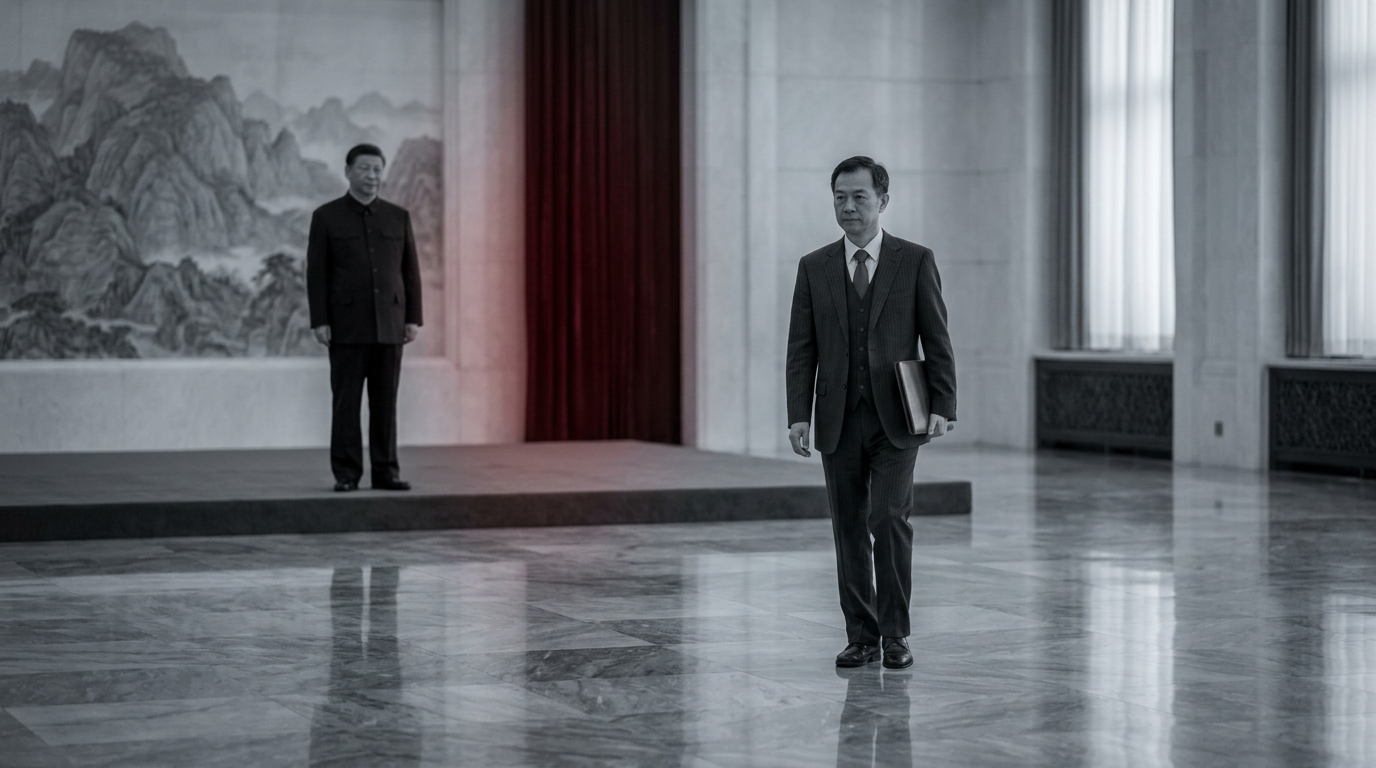
Taiwan’s opposition leader Cheng Li-wun , who chairs the Kuomintang (KMT), is set to meet Chinese President Xi Jinping in Beijing this week, after arriving in Shanghai on Tuesday, March 30, 2026, according to the trip schedule.
The visit is planned as a six-day tour that also includes a stop in Nanjing. The stated purpose of the trip is to signal that Taiwan and China are not inevitably headed toward military confrontation, a message that is central to Cheng’s political positioning.
The meeting comes as Taiwan’s domestic politics have shifted markedly over the past decade. The KMT has continued to perform strongly in local elections, but it has lost the last three presidential contests—2016, 2020, and 2024—to the Democratic Progressive Party (DPP), reducing the party’s influence at the national level.
That electoral trend has unfolded alongside a rise in Taiwanese nationalism and heightened Chinese military activity in the Taiwan Strait. Since 2022, there have been six rounds of live-fire exercises, with the most recent in December 2025 described as simulating an encirclement and blockade of the island.
Cheng’s outreach is aimed at voters who are worried about the risk of conflict and uncertain about how dependable international support would be in a crisis. In that context, the KMT is seeking to frame dialogue as a more effective approach than deterrence, particularly at a time when global geopolitical attention is described as being pulled in multiple directions.
Public opinion data cited from an October 2025 survey underscores the political constraints surrounding cross-strait policy. The survey found 13.9 percent support for unification with China, while 44.3 percent favored maintaining de facto independence.
How Cheng’s Beijing meeting is received at home will matter for Taiwan’s political debate over managing cross-strait tensions, especially given the KMT’s recent presidential losses and its continued strength in local races. The trip also lands amid sustained military signaling in the Taiwan Strait, leaving limited clarity on whether political engagement can reduce security risks in the near term.