Strait of Hormuz tensions mount ahead of Qatar peace talks
Iran says it will pursue a Strait of Hormuz oversight plan with or without Oman, days before US-led talks in Doha aimed at ending the war.
Lauren Collins ·
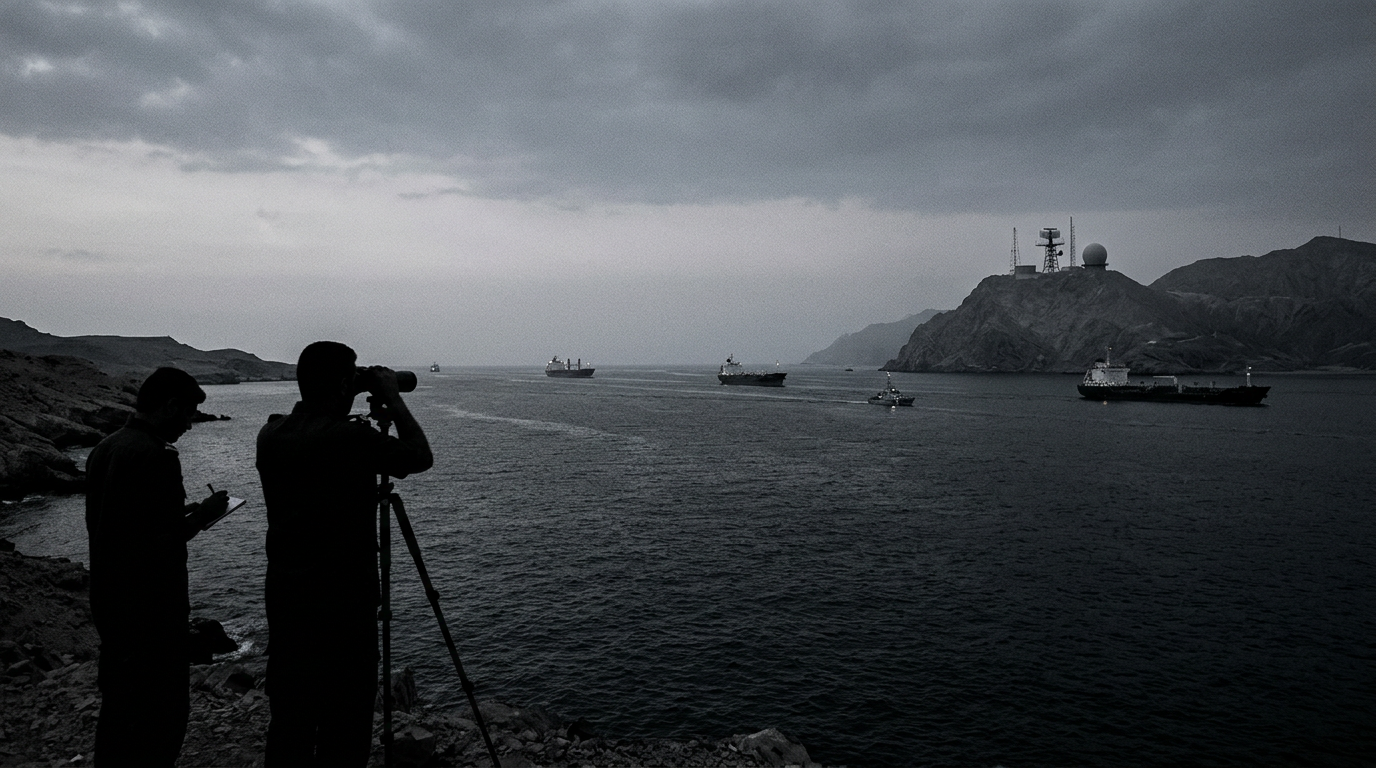
Iran signaled it may proceed unilaterally with a Strait of Hormuz oversight plan, sharpening tensions as US-led peace talks are set for Tuesday in Doha.
Deputy Foreign Minister Kazem Gharibabadi told Iranian state television that Tehran is seeking an arrangement with Oman to supervise vessel movements through the strait. He said Iran would advance its own approach if Oman declines to participate.
Gharibabadi also said Iran had warned Omani counterparts that “other countries” should not intervene in the matter. The comments point to a more assertive Iranian position over one of the world’s most critical maritime chokepoints.
Hormuz oversight proposal challenges long-held practice
The Strait of Hormuz connects the Persian Gulf to the Gulf of Oman and the wider Indian Ocean, making it a strategic route for global energy shipments. The channel is widely treated as international waters for navigation, a framing that has underpinned transit norms for decades.
Iran has repeatedly argued since the conflict began that it should take a direct role in managing traffic there alongside Oman, which borders the southern side of the waterway. Tehran’s latest statement suggests it is preparing for a scenario where it acts without Muscat’s formal buy-in.
Iranian officials have previously floated the possibility of ships paying fees as part of any management system. That idea has faced strong opposition from the United States, European governments, and most Gulf Arab states, which argue that new levies or controls could disrupt commerce and set a precedent for politicizing passage.
Doha meeting brings senior US figures to the table
The remarks arrive ahead of a new round of negotiations in Doha, Qatar, that the US has said will take place on Tuesday. The White House said President Donald Trump’s special envoy Steve Witkoff and Trump’s son-in-law Jared Kushner are expected to attend.
The planned meeting is aimed at formalizing an end to the war between Iran and the United States. The current conflict, according to the information provided, began in late February following a US-Israeli bombardment of Iran.
By tying maritime control to a broader political settlement, Tehran is raising the cost of a deal for counterparts that prioritize freedom of navigation. The issue also puts Oman in a delicate position given its geography and its traditional role as a regional mediator.
Regional reactions likely to hinge on fees and enforcement
The most immediate fault line is whether an Iranian-led framework would include payments or other requirements for transiting vessels. For shipping operators and importing countries, even limited administrative barriers can translate into higher costs, delays, or elevated risk premiums.
Another pressure point is enforcement: oversight mechanisms typically require monitoring, inspections, or the credible threat of interdiction. Any move perceived as restricting passage could intensify pushback from Washington and its partners, especially if Iran asserts authority over what many regard as an international transit route.
Oman’s decision will be closely watched because cooperation with Tehran could lend legitimacy to a bilateral framework, while refusal could increase the likelihood of unilateral Iranian steps. Gharibabadi’s warning that outside states have “no right” to involvement indicates Iran may treat third-party naval or diplomatic pressure as an intrusion.
Next steps depend on Tuesday’s talks in Doha and whether they address maritime governance directly or leave the question unresolved. If the negotiations focus narrowly on ending hostilities without clarifying Hormuz rules, the strait could remain a separate flashpoint even after any formal ceasefire arrangements.