

Stellar Blade Technical Analysis Reveals Switch 2 Performance Targets
Digital Foundry reports that Stellar Blade on Switch 2 utilizes frame generation to reach 60 FPS, despite significant reductions in graphical fidelity.
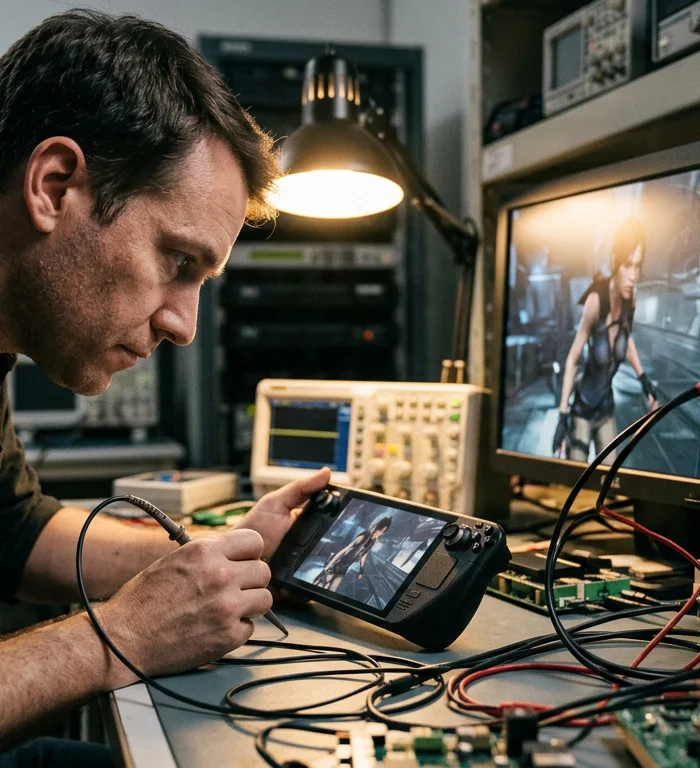
Performance and Resolution Targets
Recent technical assessments from Digital Foundry indicate that the Nintendo Switch 2 version of Stellar Blade operates at a native resolution of approximately 540p when docked. To achieve a smoother visual experience, the software employs frame generation technology to upscale the output to 60 frames per second.
When users disable the frame generation feature, the internal resolution increases to roughly 648p. However, this adjustment results in a fluctuating frame rate, typically ranging between 35 and 45 frames per second. In handheld mode, the internal resolution drops further to approximately 360p, though the overall performance remains consistent with the docked experience.
Visual Fidelity and Trade-offs
The port necessitates significant compromises in graphical quality compared to the PlayStation 5 iteration. Analysts noted aggressive reductions in environmental detail, simplified lighting effects, and frequent object pop-in issues. While these visual downgrades are prominent in large-scale environments, the impact varies depending on the specific scene.
The development team appears to prioritize stability through the integration of DLSS and frame generation. These tools are intended to mitigate the hardware limitations of the portable console. Despite these efforts, combat sequences and cinematic cutscenes remain prone to occasional frame rate instability, whereas exploration segments maintain a more consistent 60 FPS target.
Technical Implications and Uncertainties
The use of Variable Refresh Rate (VRR) technology serves as a critical component for handheld play, particularly when frame generation is deactivated. By synchronizing the display's refresh rate with the game's output, VRR helps smooth out the noticeable fluctuations in performance during intense gameplay.
While the port successfully brings the title to a mobile platform, it remains unclear how these technical constraints will affect long-term player reception. Furthermore, specific details regarding regional pricing, language localization, or potential server support for the Switch 2 version have not been officially disclosed by the publisher. The reliance on upscaling techniques suggests that the hardware is being pushed to its limits to maintain parity with the original release.
More stories
- Europe faces attribution gap after 16 cyber, physical incidents
- PIF backs Grand Theft Auto as Saudi players embrace game
- Signal limits screenshots to curb AI access to messages
- Cognition runs Devin Mac workspaces on EC2 in 6 AWS regions
- Salesforce engineers cut 600-failure triage to 90 minutes
- Türkiye Desk: GTA 6 puts console access and network demand in focus
- Nvidia opens board inquiry into alleged foreign targeting
- Nvidia opens board inquiry into alleged foreign targeting
- SK Hynix stock tumble drags Kospi into halt Monday
- AI models chase lower costs as corporate bills climb fast
Latest news
- Social Security raises 2027 benefits 3.6%
- Hull City 2–0 Brighton: When Resilience Beat Reputation
- David Parr House to honor Victorian art-workman with blue plaque
- Iran's attacks hit 25 tankers near Strait of Hormuz
- FCC approves prison cellphone jamming despite 2.5-mile warning
- Russia strikes Ukraine as Odesa faces electricity strain
- Bahrain reports two injuries after Iranian aerial attacks
- Congress tests Black Democrats' growing policy influence