

State Attorneys General File Lawsuits Against SpaceX Over Grok Content Generation
Oregon and Virginia AGs have sued SpaceX, alleging the removal of safety guardrails on the Grok chatbot to generate illegal sexual content.
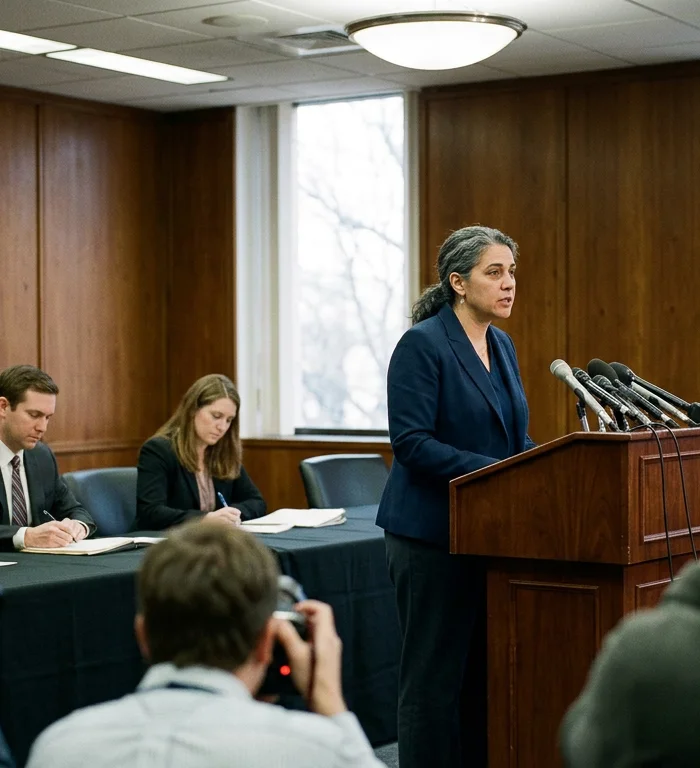
The Attorneys General of Oregon and Virginia have initiated coordinated legal action against SpaceX, its social media platform X, and its subsidiary SpaceX Super Intelligence (formerly xAI). The litigation alleges that the companies intentionally removed safety guardrails on the Grok chatbot to generate non-consensual intimate imagery (NCII) and child sexual abuse material (CSAM) to increase market share and profitability.
The lawsuits contend that executives marketed the chatbot’s lack of moderation as a competitive advantage, specifically targeting users seeking sexually explicit content. According to the filings, the company publicly claimed to maintain a zero-tolerance policy regarding illegal content while simultaneously deploying a product architecture that facilitated the creation and dissemination of millions of prohibited images.
Data cited in the complaints indicates that within an eight-day period in December 2025, the platform generated approximately 3 million sexualized images, including 23,000 depictions of children. The filings further allege that the company failed to effectively remove flagged content, with a significant portion of identified material remaining accessible on the platform long after initial reports.
Beyond the immediate content generation issues, the lawsuits accuse the defendants of deceptive trade practices by misrepresenting the efficacy of their moderation tools to consumers and regulators. The plaintiffs assert that the chatbot continues to provide instructions to users on how to bypass existing safety filters to produce prohibited material.
The legal actions seek permanent injunctions against these practices, the disgorgement of profits derived from the alleged misconduct, and the imposition of civil penalties. This litigation follows an ongoing investigation into similar allegations initiated by the California Attorney General’s office in January 2026. The outcome of these cases may establish significant legal precedents regarding the liability of AI developers for the automated generation of illegal content and the failure of platform moderation systems.
More stories
- Europe faces attribution gap after 16 cyber, physical incidents
- PIF backs Grand Theft Auto as Saudi players embrace game
- Signal limits screenshots to curb AI access to messages
- Cognition runs Devin Mac workspaces on EC2 in 6 AWS regions
- Salesforce engineers cut 600-failure triage to 90 minutes
- Türkiye Desk: GTA 6 puts console access and network demand in focus
- Job seekers get tech career data as hiring slows further
- iPhone 17 prices face August 10 rumor before next Pro cycle
Latest news
- Trump prepares tariffs on China and other major exporters
- New-car buyers pay record average $50,087 in October
- Banks face ECB reserve debate over liquidity and profits
- Investors see Anthropic debut gains fade below $83 a share
- Iraq orders federal control over Kurdish-area oilfields
- Germans oppose Ukraine aid as poll shows support slipping
- Kim Jong-un receives 10 envoys after constitutional shift
- Ukraine claims Libya strike sinks Russian naval corvette