Shillong Youth Question Ward's Lake Festival Use
Shillong youth are questioning the repeated use of Ward's Lake for large events like the upcoming Literary Festival, citing environmental concerns for the…
Ayla Demirhan ·
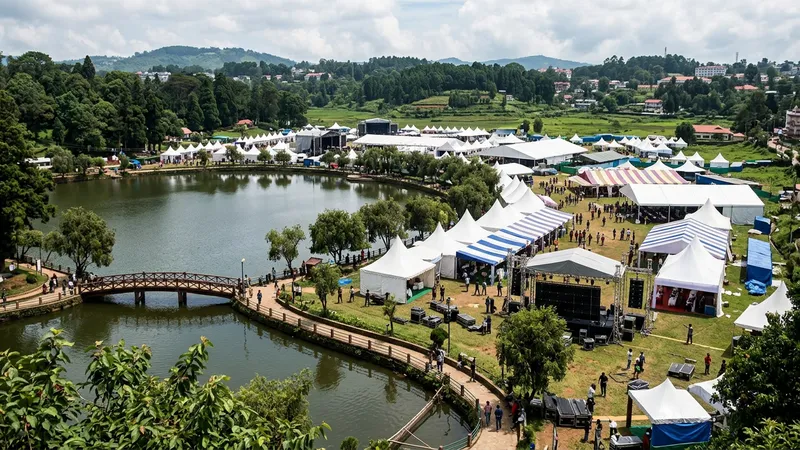
A segment of Shillong's youth questions the continued use of Ward's Lake for large public events, including the upcoming sixth Shillong Literary Festival. These concerns emerge as the state government prepares to host the festival from November 12 to 14 at the historic site.
Youth Raise Environmental Concerns Over Lake Use
Youth apprehension centers on the potential environmental impact of repeatedly staging major gatherings at Ward's Lake. For decades, the lake has served as a prominent Shillong landmark, recognized for its aesthetic and ecological value.
Festival Preparations Underway
The sixth Shillong Literary Festival is scheduled for three days, from November 12 to 14. This event marks another instance of the state government utilizing Ward's Lake as a venue for cultural programming.
Ward's Lake: A Historic Landmark Ward's Lake holds a significant place in Shillong's history and public memory. Its long-standing status as a cherished natural and recreational area underpins the current debate regarding its suitability for frequent, large-scale commercial or cultural activities.
Preservation Versus Public Access
The ongoing discussion highlights a broader challenge for urban planners and cultural organizers: balancing the preservation of sensitive natural sites with public demand for accessible event spaces. This tension often arises where historical landmarks also function as community hubs.
Policy Review for Future Venues
If public sentiment against using Ward's Lake for large events gains momentum, the state government may face pressure to review its venue selection policy for future festivals. This could prompt a search for alternative locations or the implementation of stricter environmental safeguards for events held at the lake.
Future Event Planning Shifts
The Ward's Lake debate could influence how event organizers approach venue selection across the region. A shift towards prioritizing environmental impact assessments and community input might emerge, potentially leading to more diversified event locations and a greater emphasis on sustainable practices in cultural programming.