Ancient 2,500-Year-Old Statue Unearthed at Sardis Site
Archaeologists in Manisa, Turkey, have discovered a rare, monumental marble statue dating back to the Lydian era at the ancient city of Sardis.
Atlas Newsdesk ·
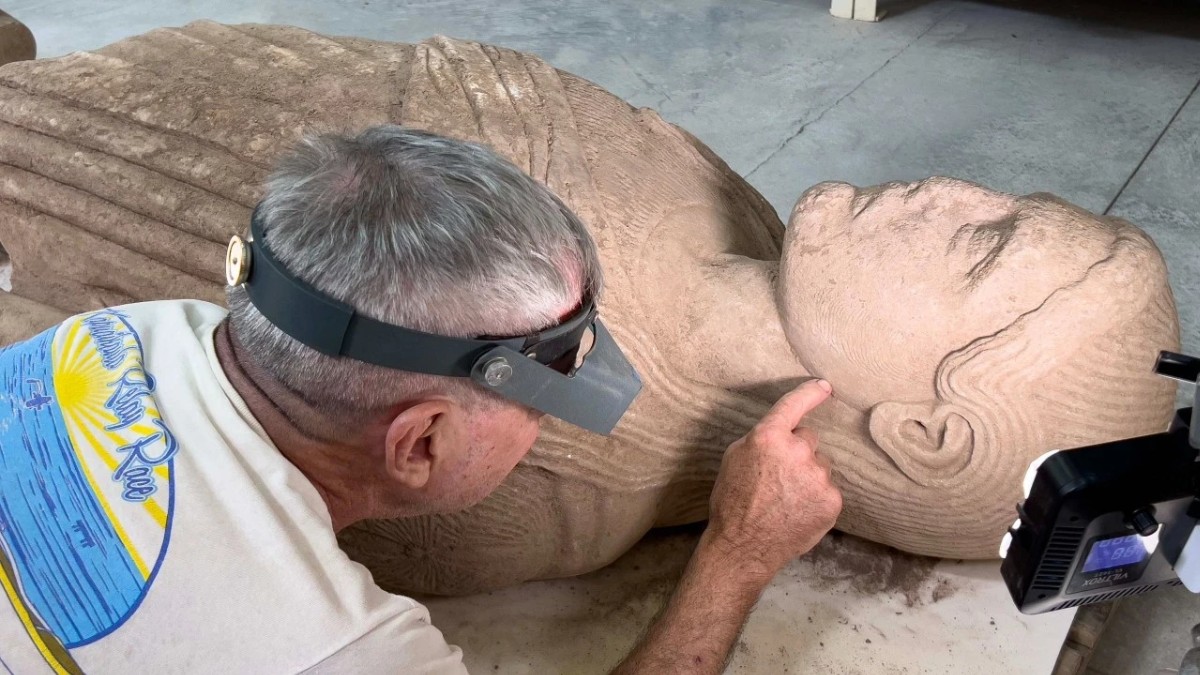
A Significant Archaeological Find
Excavation teams operating within the ancient city of Sardis, located in the Salihli district of Manisa, have recovered a monumental marble sculpture depicting a young male. This discovery was facilitated under the oversight of national cultural heritage authorities.
Official statements indicate the artifact dates to the first half of the 5th century BCE. Standing at 2.2 meters tall, the figure is noted for its exceptional preservation and intricate craftsmanship, marking it as a rare example of ancient sculptural art.
Preservation Through Repurposing
The statue was found in two primary sections, with some extremities missing. Researchers believe the piece was repurposed during the Roman era as construction material for a colonnaded street. By placing the statue face-down, the builders inadvertently protected the fine details and facial features from centuries of environmental damage.
Following careful extraction from the site, the artifact is now undergoing specialized analysis. Experts are particularly interested in the unique clothing depicted on the figure, which appears to blend local Lydian traditions with broader regional styles. The subject is shown holding a piece of fruit, potentially an quince, which may signify a votive offering.
Cultural and Historical Context
This find provides a window into the era when Sardis served as a key administrative hub for the Achaemenid Empire. The statue bridges the gap between classical Aegean artistic trends and the distinct visual identity of the Lydian elite. It offers researchers fresh data regarding the social hierarchies and religious practices of the period.
Because such large-scale, well-preserved statues from this specific timeframe are uncommon in the Mediterranean basin, the discovery is considered highly significant for regional archaeology. It serves as a rare physical record of the cultural synthesis occurring in Western Anatolia during the 5th century BCE.
Future Conservation Efforts
While many ancient marble works were originally painted, the surface of this statue is currently obscured by a dense layer of mineral deposits accumulated over millennia. A dedicated team of conservators and specialists in ancient polychromy will conduct a non-invasive cleaning process to protect any potential remaining pigments.
Scientific investigations will also examine the surrounding soil for traces of color. Once the restoration and documentation phases are complete, the statue is slated to be displayed at the Manisa Museum for public viewing.