Netflix lawsuit targets lost Nicolas Cage film drive claim
Netflix faces a $105 million lawsuit alleging a stolen drive damaged the market for Fortitude, an unreleased Nicolas Cage film.
Hazal Anyalı ·
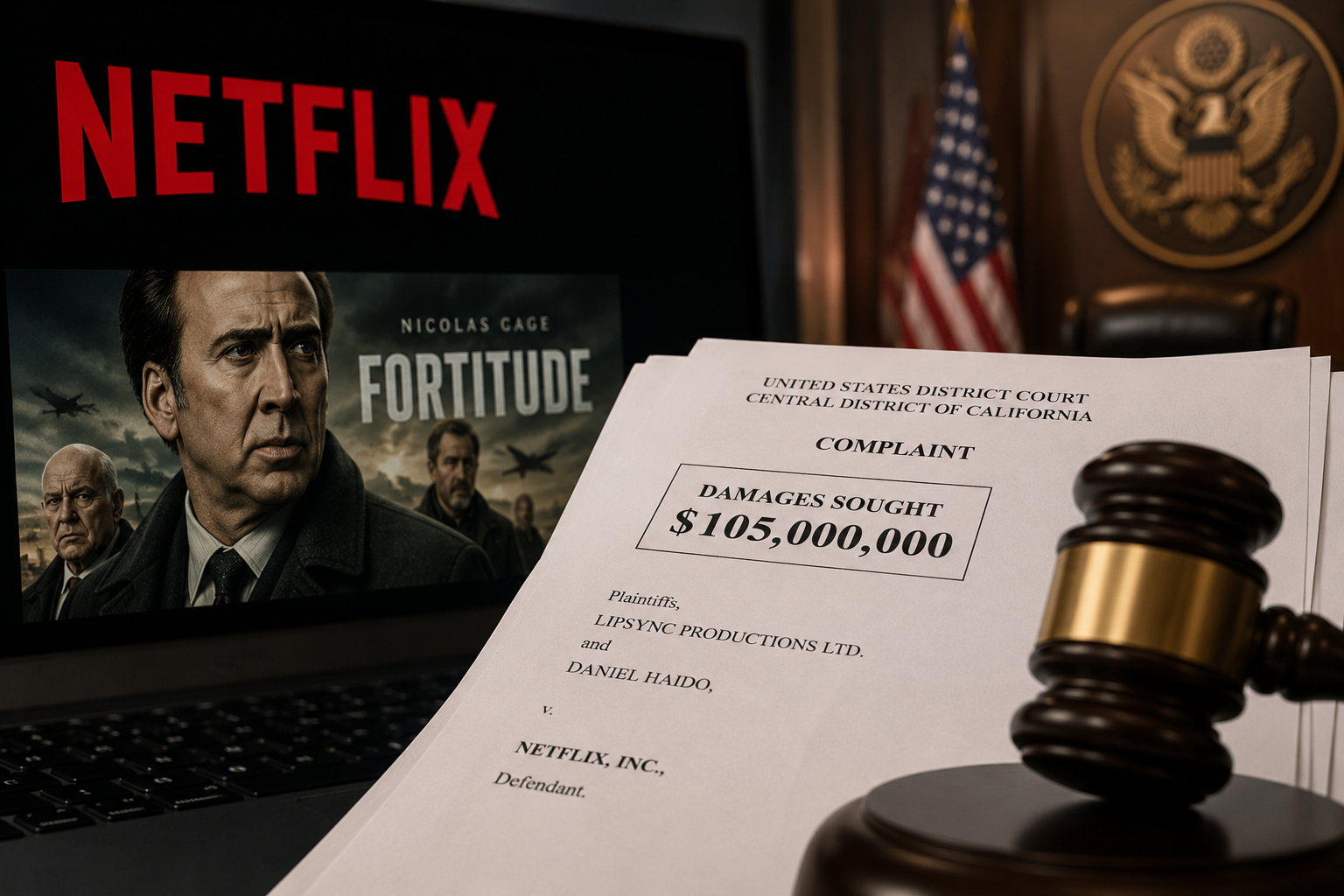
Netflix lawsuit seeks $105 million over claims a stolen drive damaged the market for Fortitude, an unreleased Nicolas Cage spy film.
The case, brought Wednesday in a California federal court, was filed by a U.K.-based production company and a filmmaker. Their complaint says Netflix lost control of a drive containing the movie after the platform screened it as a possible buyer.
The drive at center
Daniel Haido, identified in the filing as an associate producer, personally brought an unencrypted master copy to Netflix for the screening, according to the complaint. The plaintiffs say the copy was supplied so the company could review the film before deciding whether to pursue rights.
The filing says Haido verbally told a Netflix employee to remove the files after the viewing. A little more than a week later, the plaintiffs allege, Netflix sent an email saying the drive had been taken from its offices.
The complaint quotes a Netflix executive as writing, "Someone stole a good amount of drives from our office desks this past week." The plaintiffs argue that message put the damage beyond a routine business disagreement: a copy of an unreleased movie was no longer under their control.
Fortitude carries a $45 million stake
Fortitude cost $45 million and took more than seven years to complete, according to the complaint. The film dramatizes Operation Fortitude, the World War II deception plan used to mislead Nazi Germany about where Allied forces would invade Europe.
Nicolas Cage plays Dusko Popov, the real wartime spy at the center of the story. The cast also includes Sir Ben Kingsley and Ron Perlman, giving the project the kind of recognizable names that can matter when producers seek distribution or sales in a crowded film market.
The plaintiffs say the commercial harm comes from lost exclusivity, not from a public leak that has already been alleged. Their argument is that studios may hesitate to buy rights if an outside party could release a copy without permission and undercut the first official rollout.
"The film's value depended in significant part on its exclusivity as an unreleased, first-to-market work," the complaint states. "By losing control of the film, Netflix destroyed that exclusivity and materially, if not completely, impaired the film's marketability."
Netflix disputes the risk
Netflix rejects the claim that it should carry the loss. A company spokesperson said Netflix "disputes any claim that it bears the risk of loss for a film delivered without the proper industry-standard safeguards."
The company also said it does not own the rights to Fortitude and has offered to monitor piracy sites for unauthorized distribution or sale of the movie. "While we do not own the rights to Fortitude, we take content security seriously and have taken extra measures to support the filmmaker and his team," the spokesperson said.
The legal fight now turns on custody, security expectations and proof of actual commercial damage. For the plaintiffs, the central question is whether a streaming platform that reviews unreleased material must protect it once it enters the building.
For Netflix, the defense described in its statement points toward a different question: whether the sender accepted risk by delivering an unencrypted copy without what the company calls standard safeguards. That issue could shape how producers and buyers document screenings of valuable unfinished or unreleased films.
A case for film buyers
If the court accepts the plaintiffs' theory, streamers and studios may face tighter duties when they handle screeners, drives and internal review copies. The likely industry effect would be more written custody terms, stronger encryption demands and fewer informal handoffs across office desks.
If Netflix prevails, the signal could cut the other way. Producers may have to show stronger controls before handing unreleased material to potential buyers, especially when a film's value depends on secrecy before its first commercial release.
The next steps will likely center on documents, emails and any evidence showing where the drive went after the screening. Until the court tests those claims, the $105 million figure remains an allegation tied to the plaintiffs' view of Fortitude's lost market value.