AI-Driven Targeting in Gaza Sparks Urgent Ethical Debate
The Israel Defense Forces acknowledge using AI systems 'Lavender' and 'Where’s Daddy' for targeting in Gaza, sparking ethical debates over civilian…
Atlas Newsdesk ·
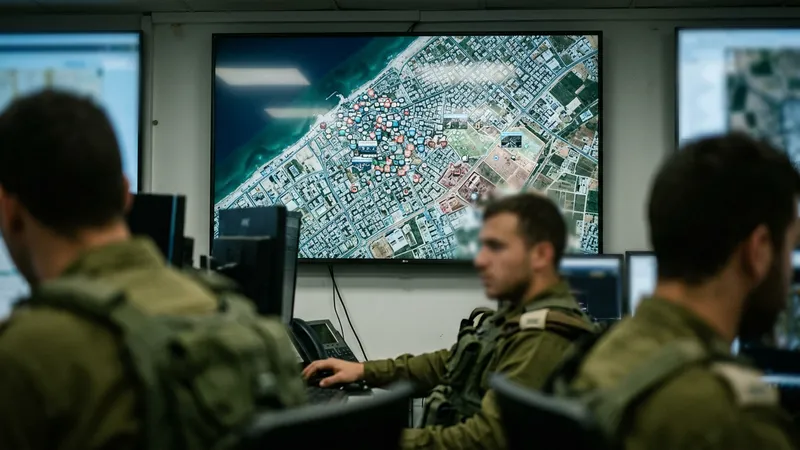
The Israel Defense Forces (IDF) have confirmed their systematic deployment of artificial intelligence (AI) systems, including tools named 'Lavender' and 'Where’s Daddy,' for identifying and targeting individuals within the Gaza Strip. These AI platforms utilize various data streams, such as mobile device tracking, to support kinetic operations against suspected militants.
Reports indicate that the introduction of these AI systems has coincided with an increase in civilian casualties, particularly within residential areas. This rise is attributed to the targeting patterns generated by the AI algorithms, prompting significant ethical and operational questions.
Algorithmic Targeting and Oversight
Military personnel involved in these operations have characterized their roles as predominantly technical, suggesting that algorithmic targeting contributes to a perception of objectivity. This perception, according to these individuals, may alleviate the emotional burden typically associated with combat decisions and the psychological strain of making life-and-death choices in conflict.
Despite the high degree of automation inherent in these AI systems, human oversight remains a critical component of the targeting process. Military personnel are still required to grant final authorization for strikes, a measure intended to preserve human accountability within the chain of command.
Governance and Disclosure Debates
The reliance on AI systems has influenced soldiers' sense of moral agency during operations, fostering concerns about governance. These worries center on the potential weakening of established rules of engagement, with apprehension regarding the possible normalization of higher collateral damage thresholds.
Some observers view this as a direct consequence of AI-driven warfare tactics. The political environment surrounding these disclosures is highly sensitive, with reports suggesting threats of legal and citizenship-related repercussions against individuals who have documented these military practices. This situation highlights an escalating tension between institutional security requirements and the public’s right to information concerning AI's application in warfare.